





































.avif)



























How to track website visitors
Paste your target account list into Sculptor
Drop in your target account list. Sculptor monitors each account for website visit signals, returning company name and signal type with date.
Sculptor detects and surfaces website visit signals
Sculptor scans Clay's web intent tracking layer against your account list, identifying which companies visited your site, which pages they hit, and when. Each matched visit is logged with a signal type and date.
Finished table with company name, signal, and date
Your table shows company name, signal type, and visit date for matched rows. Send new signal matches to Slack and log the account in your CRM so your team acts within minutes.
Why Clay for tracking website visitors

Waterfall de-anonymization across multiple providers
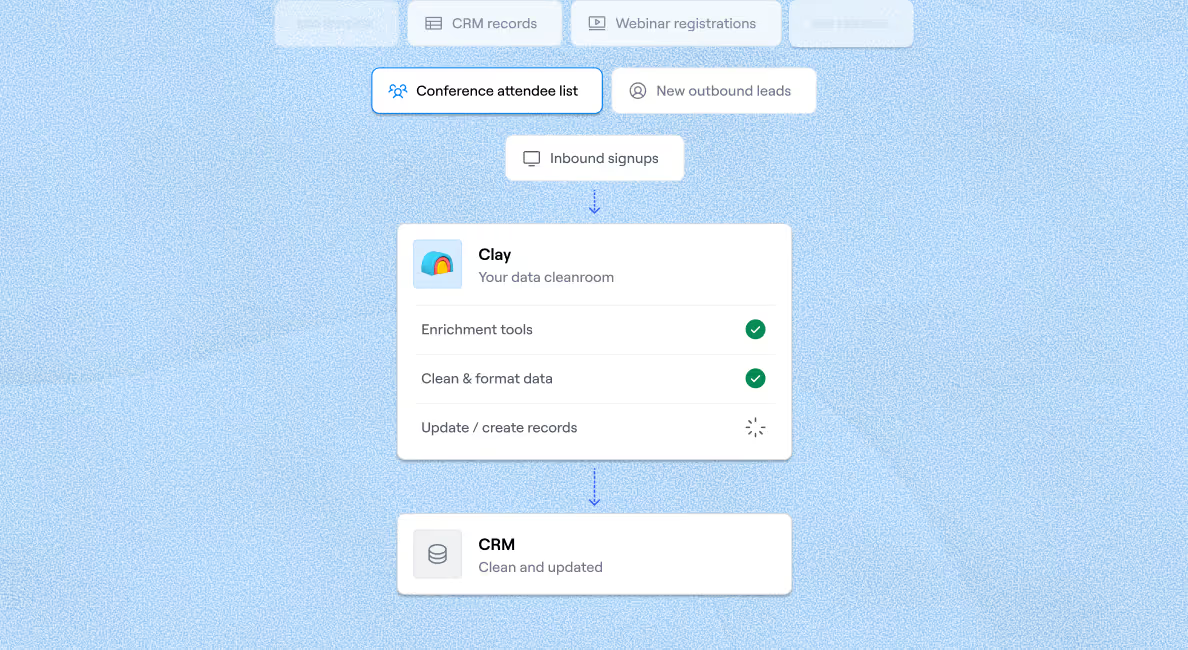
Know which target accounts visit your site, not just raw IP traffic. Clay's web intent waterfall queries multiple de-anonymization vendors in sequence, stopping at the first match to maximize coverage while keeping credit costs low.
Layer visit signals with funding and hiring data
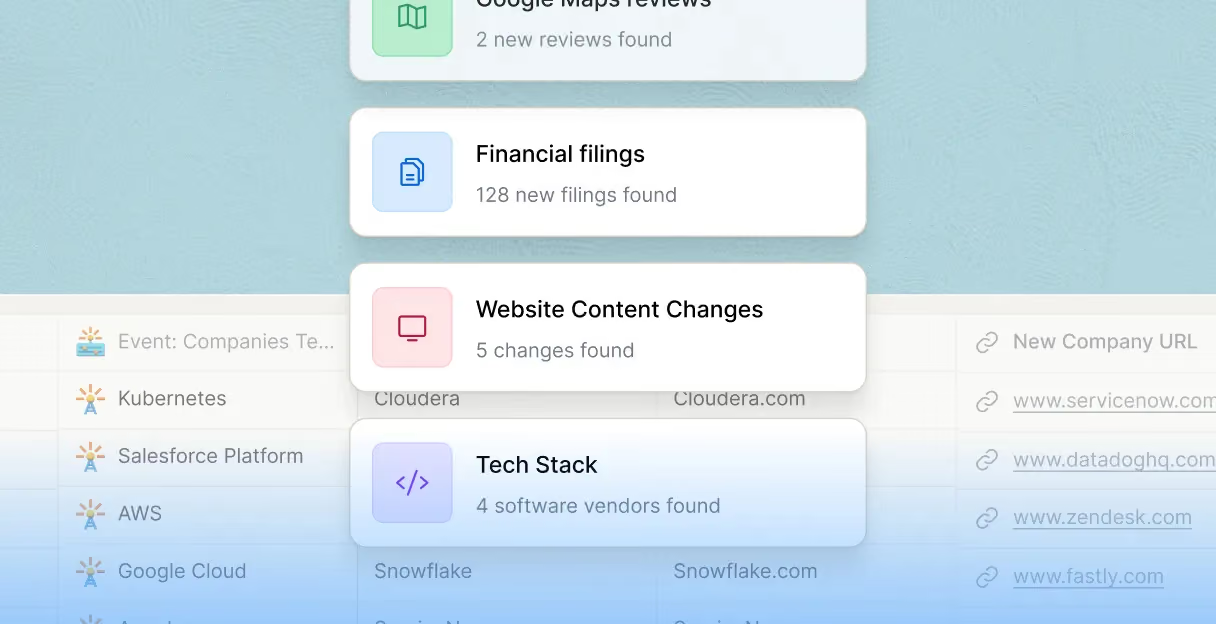
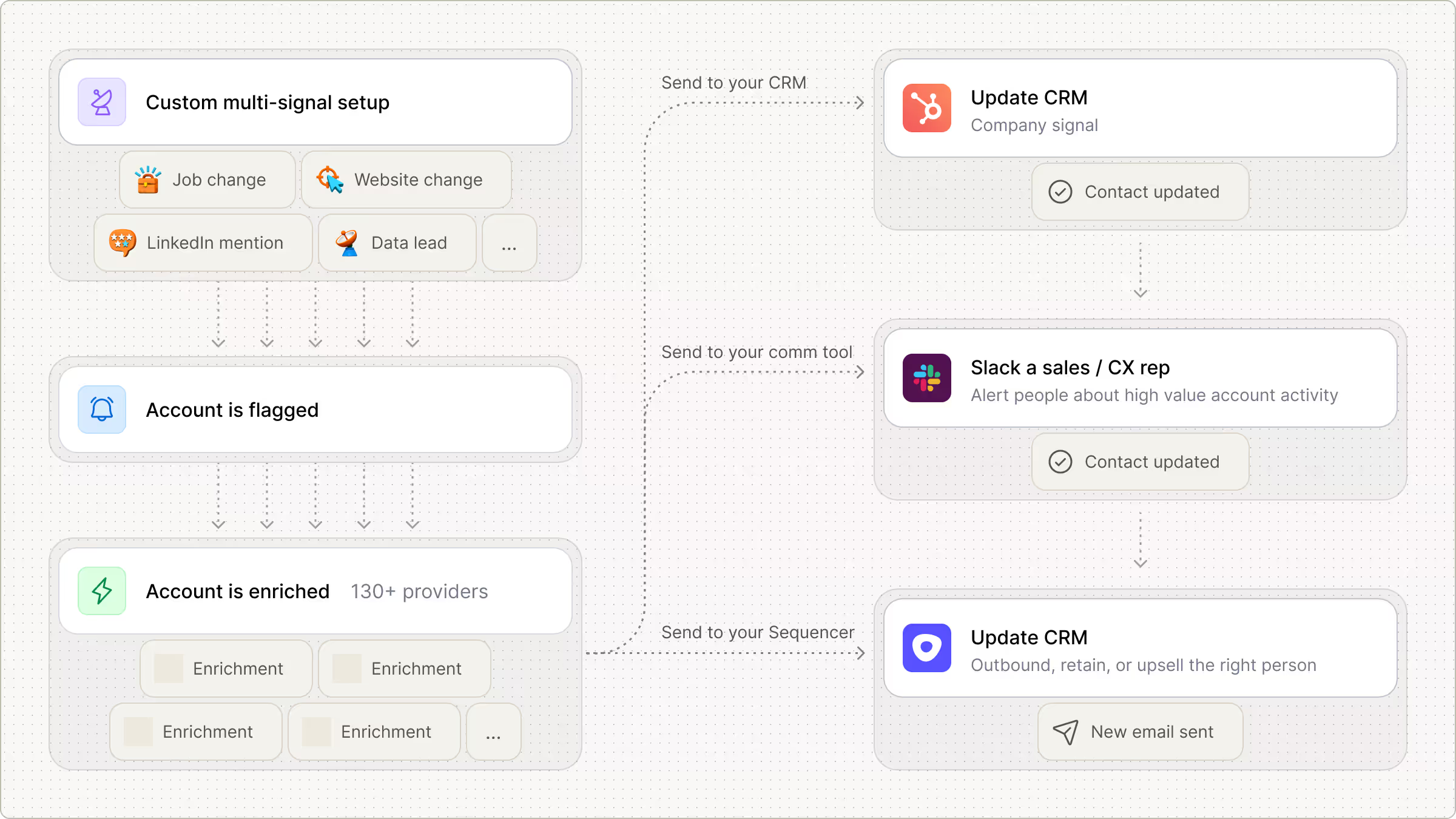
Combine web intent with funding rounds, hiring trends, and job changes into a single account segment. When an account matches multiple signal criteria, downstream actions trigger automatically in Clay.
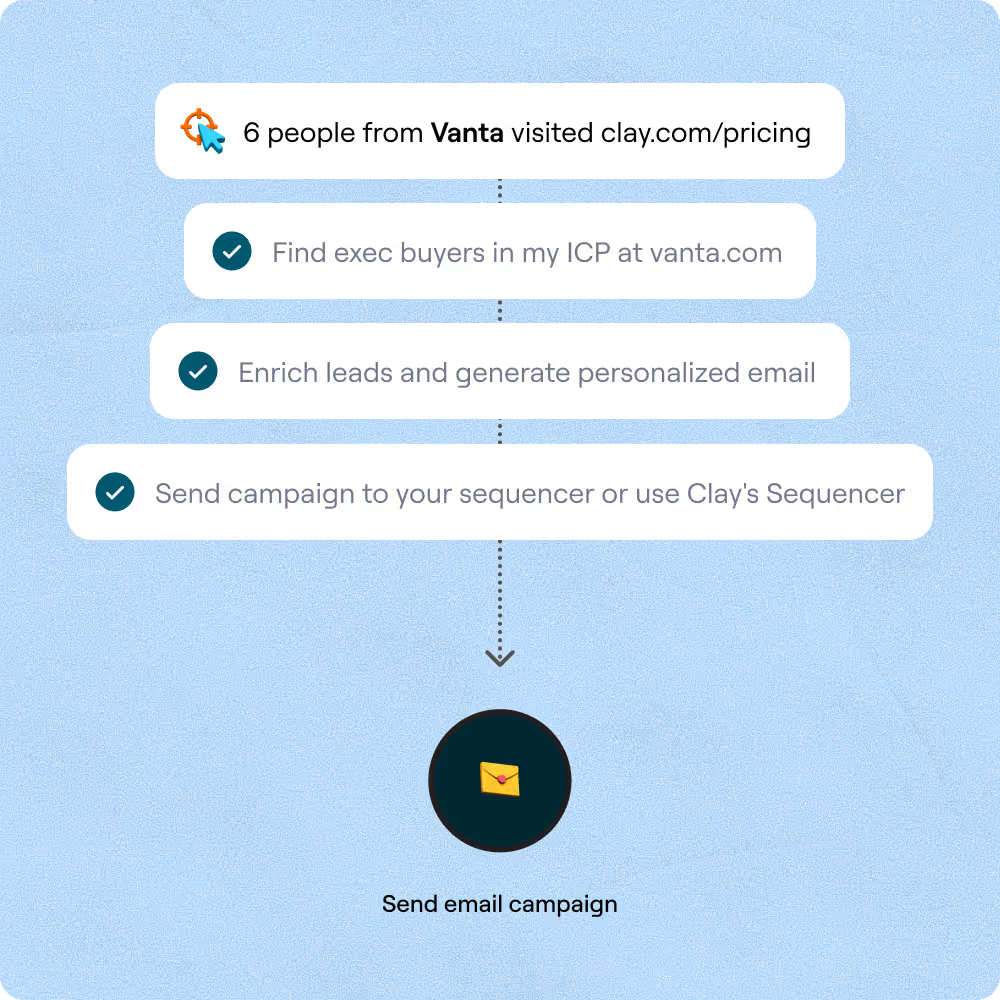
Page-level filters and visit frequency thresholds
Filter signals by page path, session duration, visit frequency, and country to surface only genuine buying intent. Claygent then browses each matched account to enrich it with firmographics, tech stack, and recent news before routing.
Instant Slack alerts and CRM routing on match
Matched visitor accounts route to Slack and log directly into HubSpot or Salesforce in minutes, so reps act while intent is still warm. Unassigned accounts can flow into a nurture sequence automatically.

Every lead is pre-qualified, scored on unique signals, and routed automatically through Clay. We're now generating pipeline from segments we weren't even touching before.
Frequently asked questions
How does Sculptor track and identify website visitors?
Sculptor installs a lightweight JavaScript snippet on your site and runs waterfall de-anonymization across providers like Snitcher, Demandbase, Dealfront, and Warmly. Each visitor's IP is resolved to a company, filtered against your ICP criteria (industry, size, region), then matched to a VP of Sales contact using 150+ integrated data providers.
How accurate is website visitor identification in Clay?
Company-level match rates for B2B traffic typically land between 30% and 65%, with enterprise traffic matching at roughly 2x the rate of SMB visitors. Clay's waterfall approach queries multiple providers in sequence, and Warmly alone identifies 65%+ of company visits. Stacking providers lifts overall coverage further, and unique IPs are cached for 30 days to avoid duplicate charges on repeat visitors.
Can I track website visitors and find contacts in bulk?
Yes. Clay continuously captures and de-anonymizes visitor traffic into a table, so results accumulate automatically. You can also paste domains, upload a CSV, or pipe data from another Clay table. Once enriched, push the full list to HubSpot, Salesforce, or your sequencer in one click to reach warm accounts while intent is fresh.
Is it legal to use intent data from website visitor tracking?
In the US, CAN-SPAM applies to all commercial email, including B2B. It requires accurate sender info, a physical address, and a working opt-out mechanism. In the EU, GDPR allows B2B outreach under the legitimate-interest basis (Recital 47), but you must document a balancing test and honor opt-out requests under Article 21. The ePrivacy Directive also requires cookie consent for visitor-tracking scripts, regardless of whether traffic is B2B.
Always check the rules for your jurisdiction and ensure your cookie banner fires for all visitors before running de-anonymization.