





































.avif)


























How to discover buying signals
Paste your target account list into Sculptor
Drop in your target account list. Sculptor scans each company for buying signals across funding, hiring, leadership changes, and more.
Sculptor detects and dates every signal
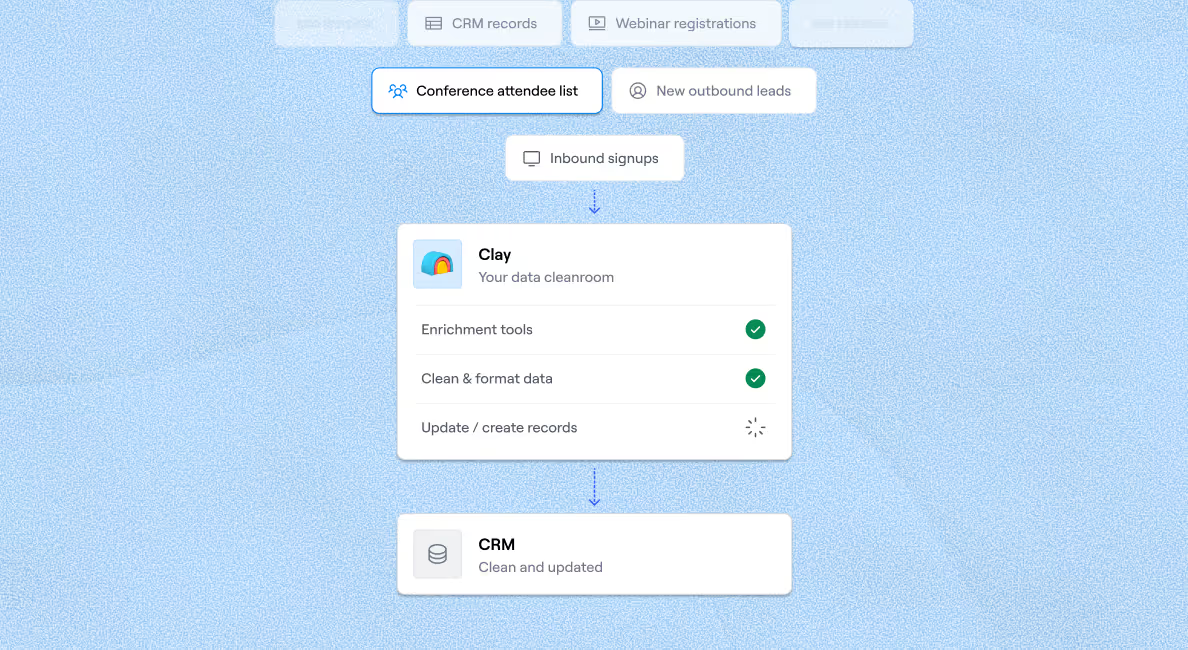
Sculptor monitors each account for growth, change, and intent signals: funding announcements, aggressive hiring, tech stack shifts, and leadership moves. Claygent browses company pages and news sources to confirm signal type and log the date detected per row.
Review signal type, date, and route to reps
Your output table shows company name, signal type, and date detected for each flagged account. Send new signal matches to Slack and log the account in your CRM so your team acts within minutes.
Why Clay for discovering buying signals
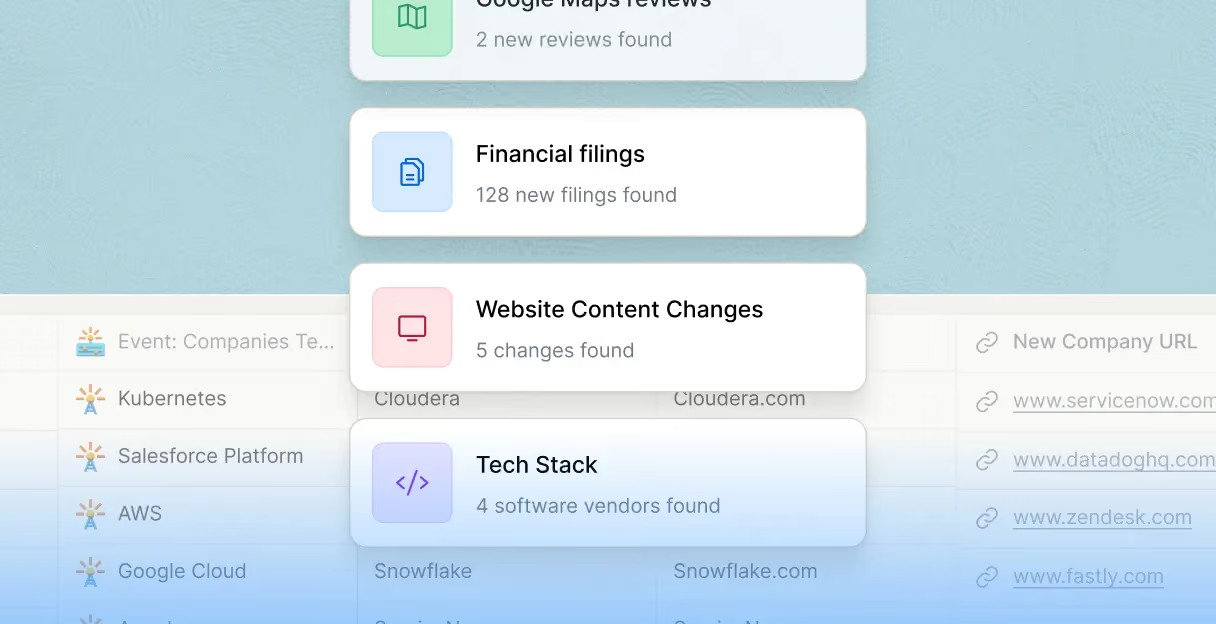
Real-time detection across six signal types
Spot accounts ready to buy before competitors do. Clay monitors funding rounds, hiring surges, leadership changes, tech stack shifts, web intent, and social mentions simultaneously, flagging each account the moment a trigger fires.
Claygent confirms signal context and date
Get verified signal details without manual research. Claygent browses company pages, news sources, and Crunchbase to confirm the signal type, extract the date detected, and add qualifying context to each matched row.
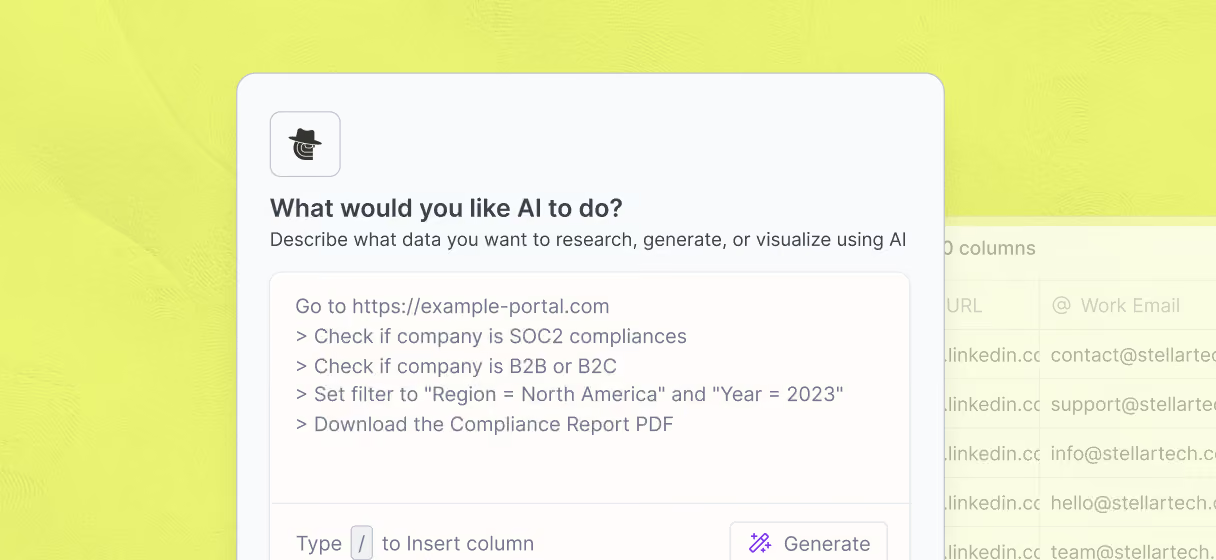
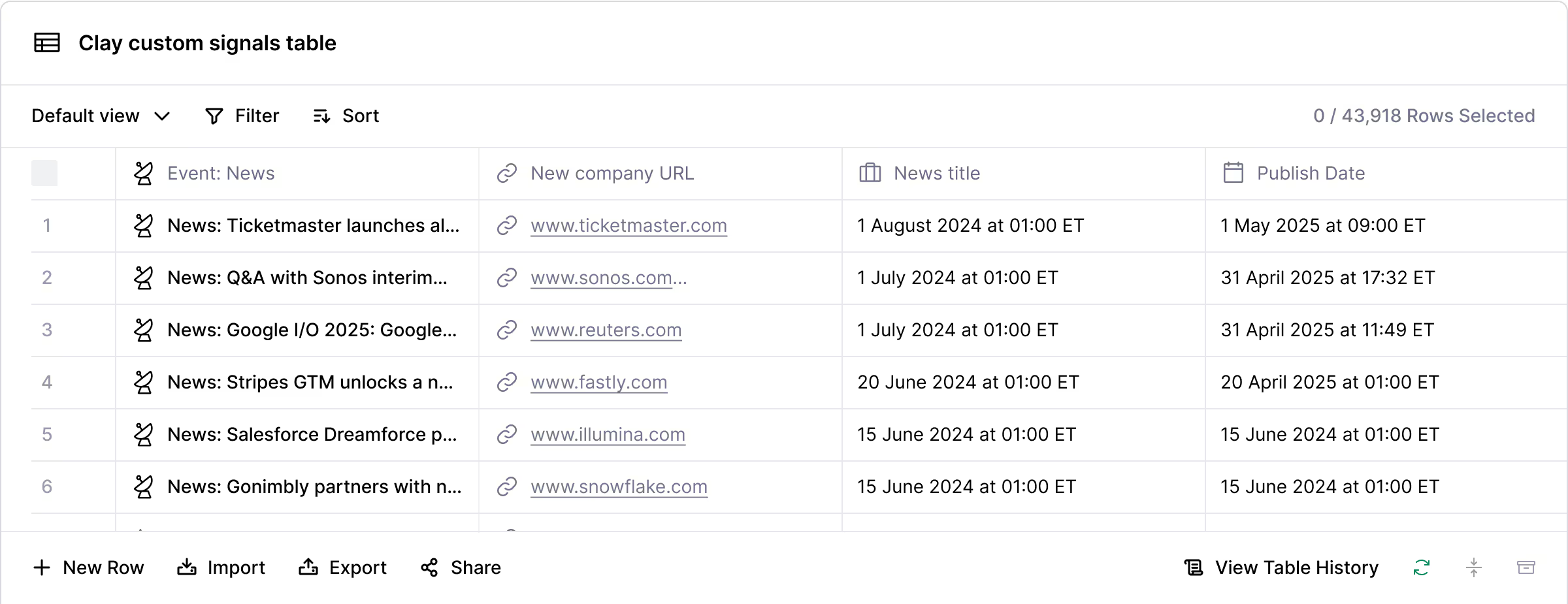
Custom signals track any digitally accessible data
Build signals your competitors cannot buy off the shelf. Claygent reads pricing pages, RSS feeds, job postings, and G2 reviews using combination triggers, so you detect the exact behavioral pattern that predicts a purchase in your market.
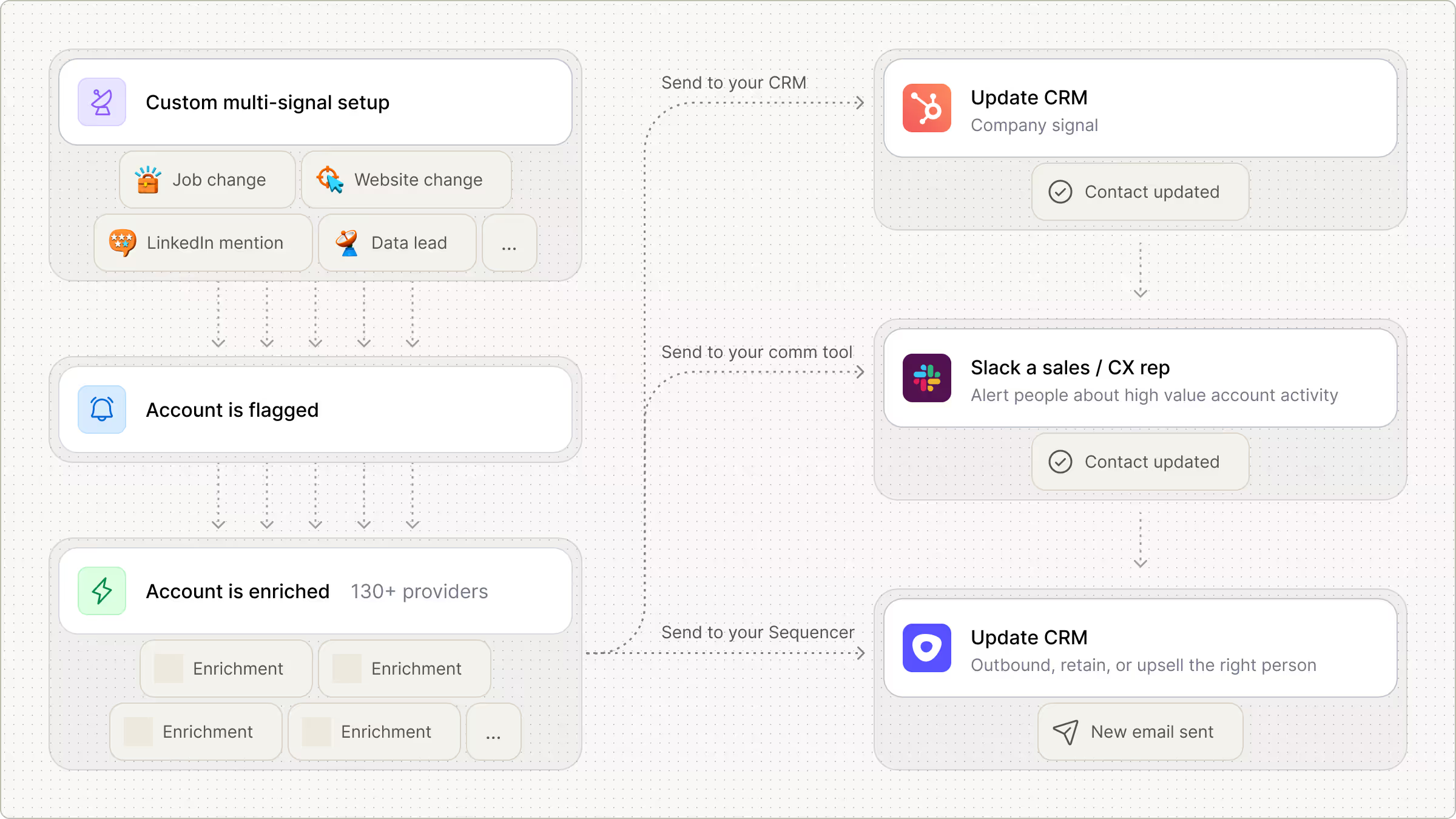
Slack and CRM routing on every new match
Every flagged account reaches the right rep in minutes. Clay pushes bundled signal alerts to Slack and logs the account in Salesforce or HubSpot, so your team can act before the buying window closes.

Every lead is pre-qualified, scored on unique signals, and routed automatically through Clay. We're now generating pipeline from segments we weren't even touching before.
Frequently asked questions
How does Sculptor discover buying signals for my market?
Sculptor scans multiple data sources across four signal categories, intent, growth, change, and distress, to find companies in your target market that show buying readiness. It monitors career movements, funding rounds, hiring patterns, and website intent using providers like Warmly and Dealfront, then returns a verified VP of Sales email for each match so you can act while the signal is fresh.
How accurate are the buying signals Clay surfaces?
Accuracy depends on the signal type and provider mix. Website intent tools like Warmly identify 30 to 65% of visiting companies at the account level, while career movement signals detect VP-level job changes within hours. Clay's waterfall enrichment queries multiple providers per row, so if one source misses an event, another catches it. Industry benchmarks show 93% of B2B marketers report higher conversion rates when acting on intent data versus cold outreach.
Can I discover buying signals for a whole list at once?
Yes. Paste a list of target industries, upload a CSV of accounts, or pipe an existing Clay table into Sculptor and it processes every row in bulk. Each row returns a company name and VP of Sales email you can push directly to HubSpot, Salesforce, or your sequencer for immediate outreach.
Is using intent data and buying signals legal under GDPR?
GDPR allows processing B2B contact data under the legitimate interest basis (Article 6(1)(f)), but you must document a Legitimate Interest Assessment before launching outreach. The ePrivacy Directive adds country-level rules that vary across EU member states, and the CCPA's B2B exemption expired in January 2023, so California contacts are fully in scope. CAN-SPAM requires a physical address and working opt-out link in every commercial email.
Always check the rules for your specific jurisdiction and honor opt-out requests promptly.