































.avif)










The chemotherapy drugs were on their way from Lagos to Abuja when Sandra Uche’s father passed away. The shipment arrived a day too late.
Her father had suffered from lung cancer, and the family had spent weeks scrambling to find the money for his treatment. Sandra, the oldest of four siblings, remembers that as the first time she understood the gravity of money. “I felt guilty the whole time,” she said. “I kept thinking, if I had a job, if I could just support my family, maybe things would have been different.”
That's when she made the promise: whatever her life became, money would never decide things like that again.
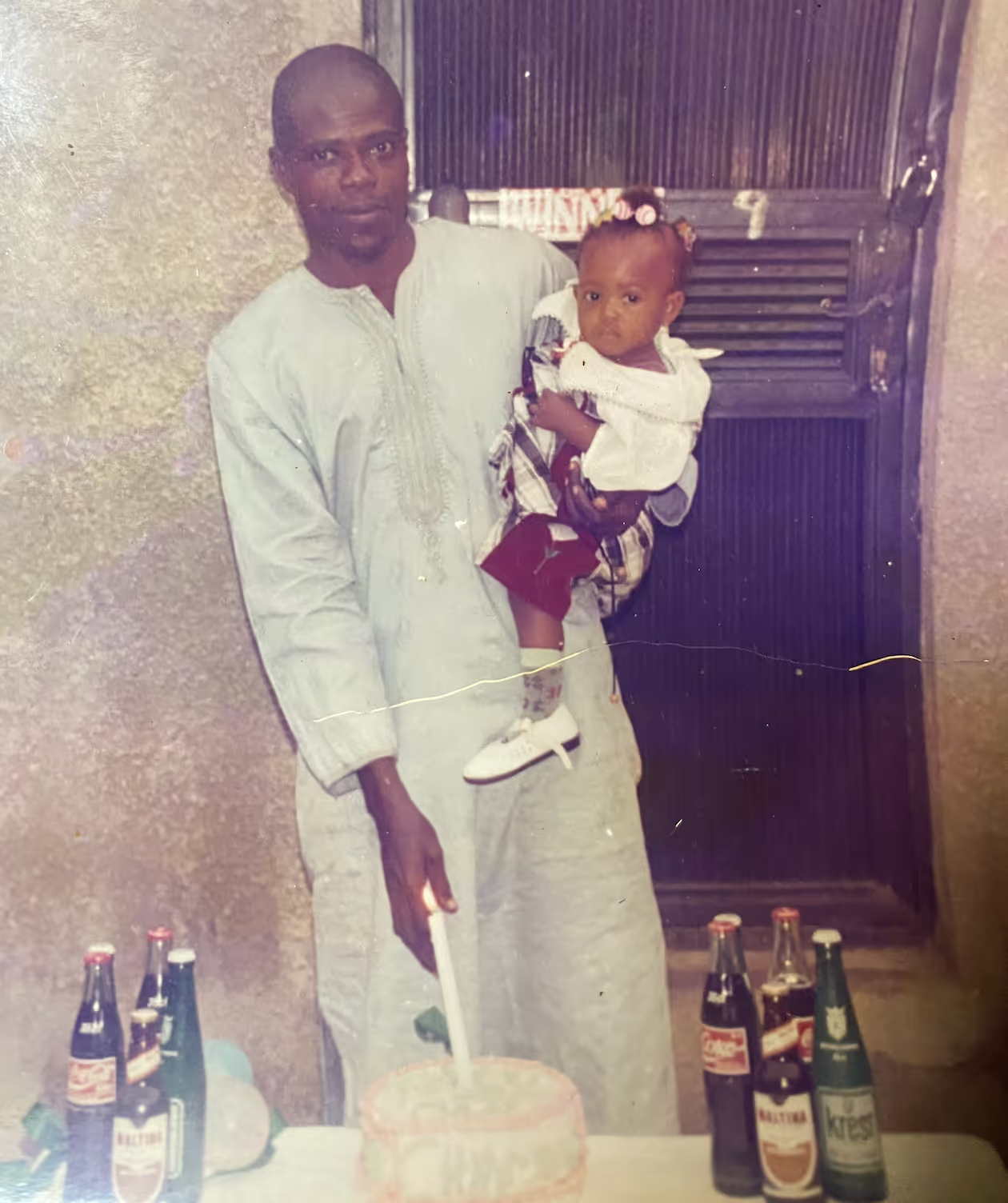
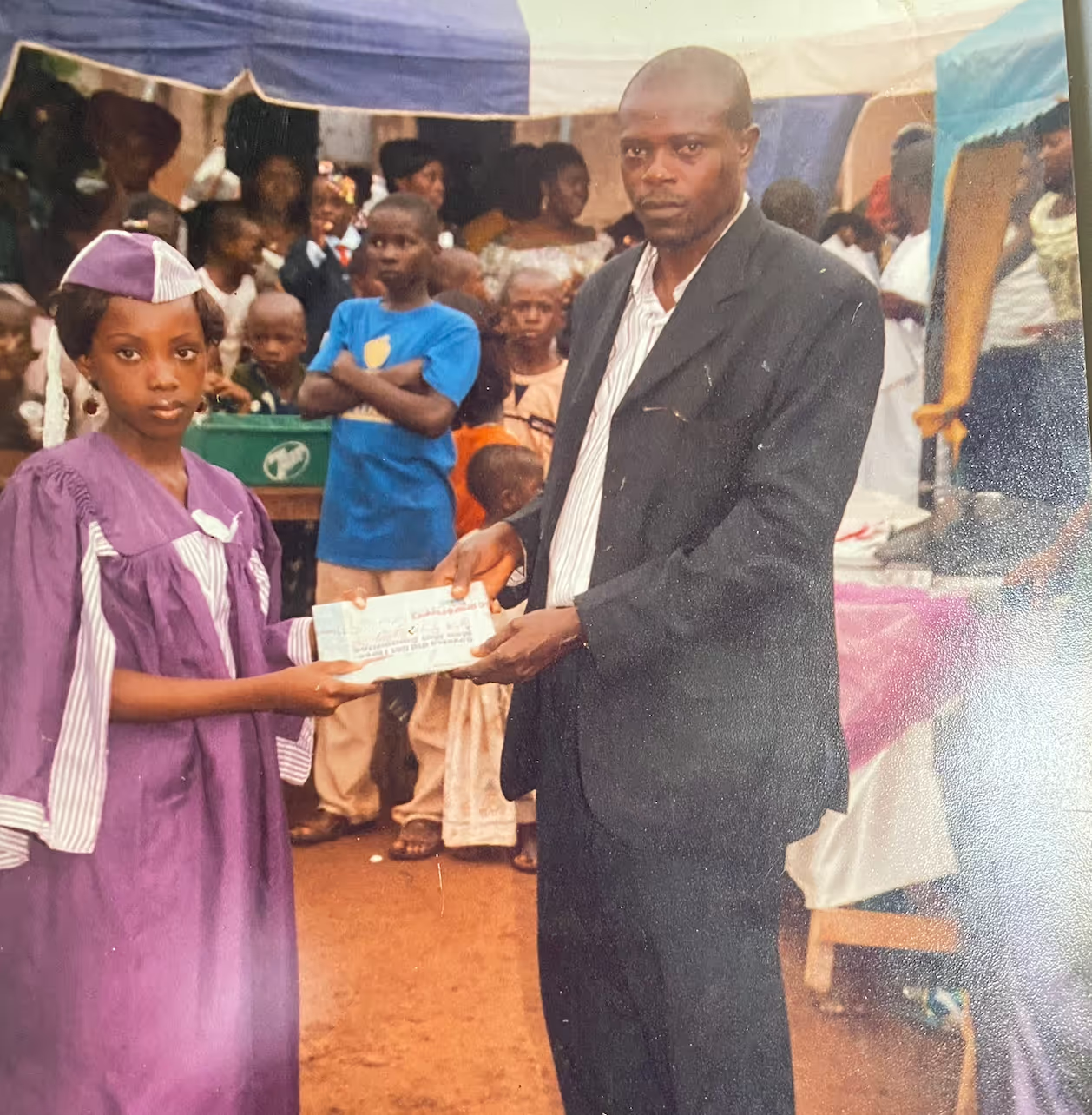
Sandra grew up in Maraba, a rural town in Nigeria where her parents worked as civil servants—her father a fireman, her mother a nurse. The jobs left no margin for crisis. She attended government schools where classrooms held two hundred students at once. Many girls never finished and married early instead.
When she graduated college in 2019 with a biochemistry degree and a modeling side hustle, like many young Nigerians, she entered a period of uncertain employment. With her family in mind, she was looking for work that could pay beyond the limits of her geography.
She found an SDR role at a Lagos startup. The work was repetitive and manual, with hours spent researching prospects, clicking through LinkedIn profiles and company websites, and hunting for a single detail that might justify a personalized email. Ten or fifteen minutes easily vanished into one sentence.
A year in, she was exhausted. "I was like, there has to be a better way," she said. She started hearing about people using Clay to automate the prospecting work. When Clay opened a bootcamp scholarship for women, she applied, got rejected, then eventually made it through.
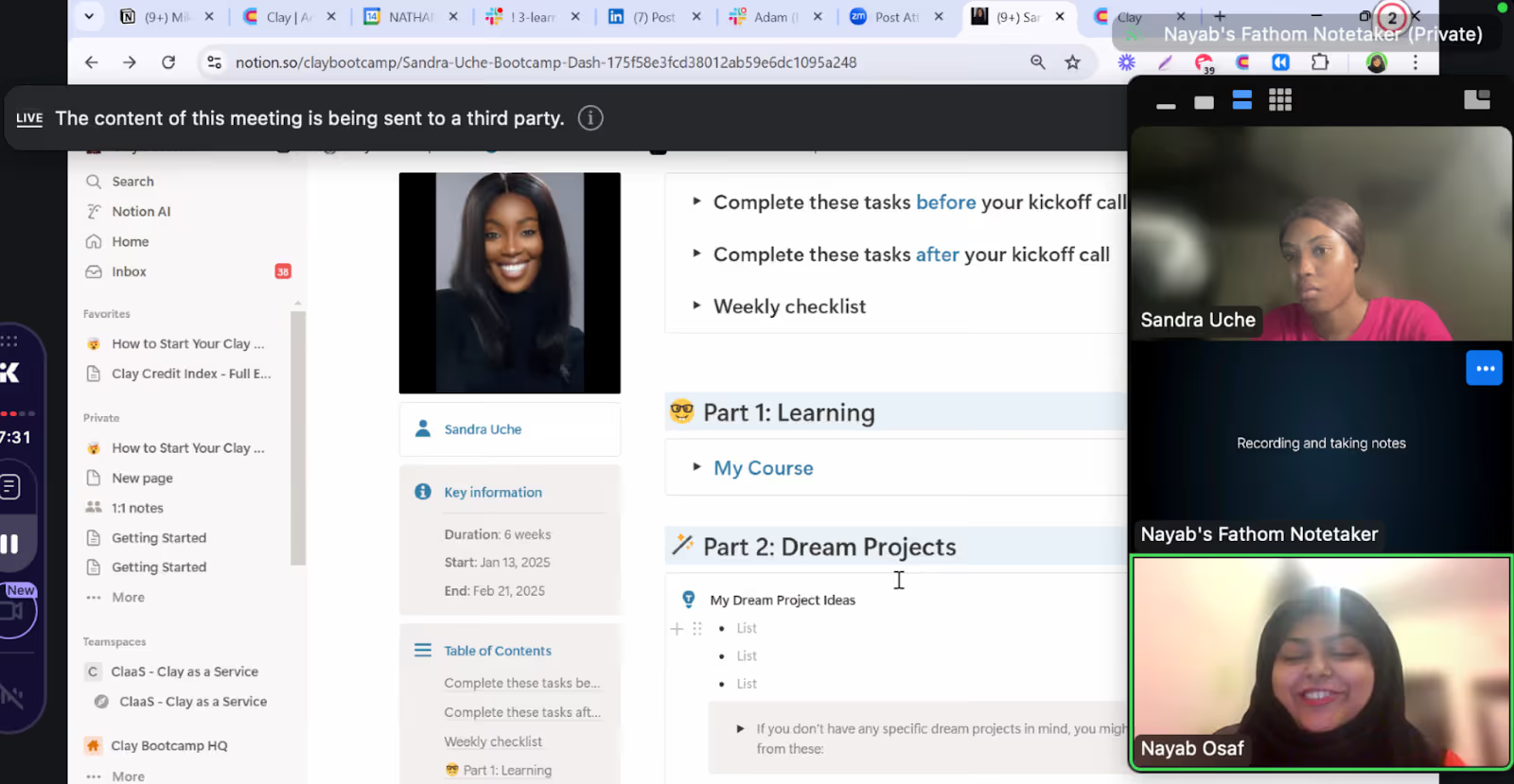
The transition—from a non-technical background to one focused on automation via APIs, webhooks, and technical workflows—was stressful, but it paid off quickly. When the program ended, Sandra posted a short message in Clay’s Slack channel advertising herself as a freelancer. “In two weeks,” she said, “I made what I used to make in a month.”
Sandra was earning in dollars and was able to send money to her mother and younger siblings. “Even small amounts made a difference,” she said. After being robbed multiple times the year before, she was able to move out of her parents’ house into her own apartment in a better neighborhood. “Just being able to lock my door and feel safe,” she said. “That was huge.”
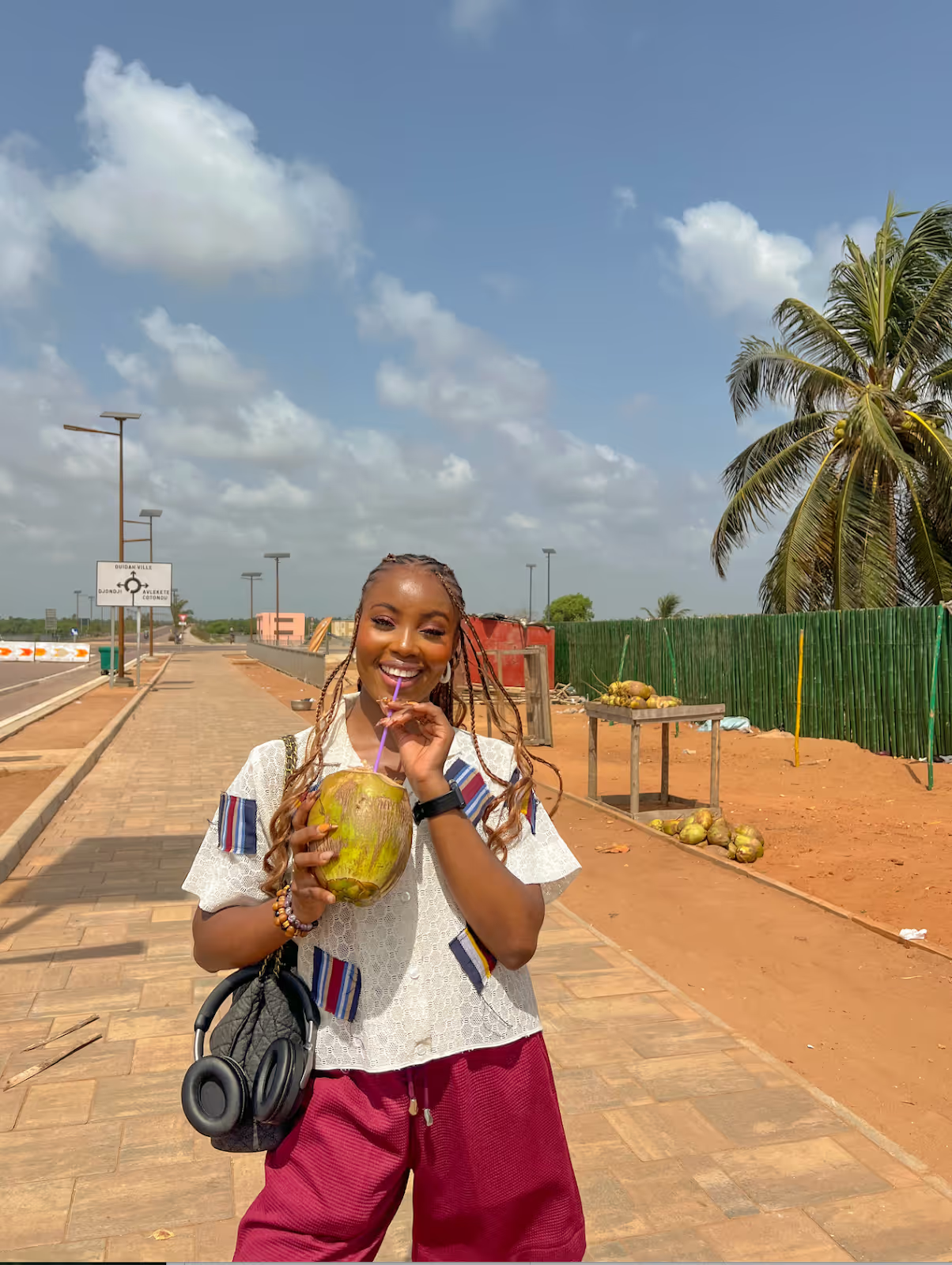
In Lagos, Clay’s user community was beginning to take shape.
Sandra rode ten hours by bus from Abuja to attend her first event and to meet many people she knew only from LinkedIn. Not long after, Clay reached out to her about hosting a local community. She assumed the email was a mistake — she’d been using the tool for less than six months and she lived far from Lagos.
“I just kept thinking, me?” she said. “But I remembered something I’d read earlier that year—that you miss 100 percent of the shots you don’t take.”
As Sandra has built the Clay community in Lagos, she has centered women as members and speakers. “Women here are financially oppressed,” she said. “Not because they’re not smart, but because they don’t have time, access, or opportunity. I have lived that firsthand and I’m going to change that.”
A few weeks ago, Sandra launched her own agency, Auto8B2B. It was not the result of a long-term master plan. After being laid off from a previous role, she realized she had been underpaid compared to male peers. “Being scared made me leave money on the table,” she said. “I didn’t want to do that anymore.”
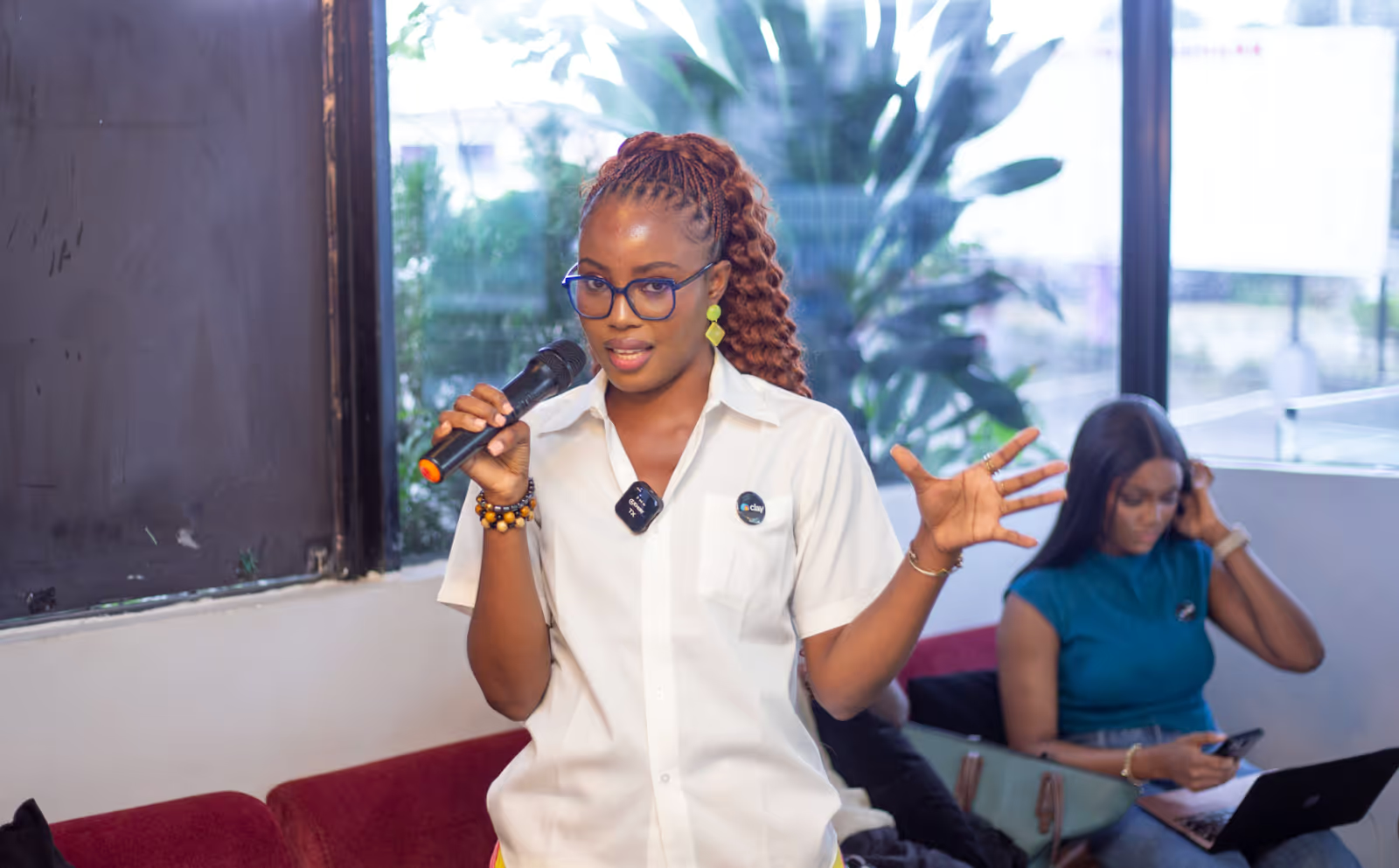
Maraba remains where she is from: a place where many of her childhood classmates never finished school and where survival often depends on mentorship. Sandra talks about returning one day to build a school there.
“The purpose of my work,” she says, “is to support my mom and siblings and to give back by helping others, especially women of color in economically disadvantaged regions.”
She thinks often about her siblings. When her brother sent her a birthday message thanking her for the money she had sent him at school, she was moved to tears. “I didn’t have that when I was younger,” she said. “So it means everything.” Sandra aims to help her younger sister, a hairstylist, open her own shop this year.
Today, Sandra works in a corner of the global tech economy that barely existed when she was growing up. It allows her to earn across borders, support her family, and teach other women how to do the same. She wonders sometimes what her father would say if he could see her now.
“I think he’d be proud,” she said. “That I didn’t just stop.”
The chemotherapy drugs were on their way from Lagos to Abuja when Sandra Uche’s father passed away. The shipment arrived a day too late.
Her father had suffered from lung cancer, and the family had spent weeks scrambling to find the money for his treatment. Sandra, the oldest of four siblings, remembers that as the first time she understood the gravity of money. “I felt guilty the whole time,” she said. “I kept thinking, if I had a job, if I could just support my family, maybe things would have been different.”
That's when she made the promise: whatever her life became, money would never decide things like that again.
Sandra grew up in Maraba, a rural town in Nigeria where her parents worked as civil servants—her father a fireman, her mother a nurse. The jobs left no margin for crisis. She attended government schools where classrooms held two hundred students at once. Many girls never finished and married early instead.
When she graduated college in 2019 with a biochemistry degree and a modeling side hustle, like many young Nigerians, she entered a period of uncertain employment. With her family in mind, she was looking for work that could pay beyond the limits of her geography.
She found an SDR role at a Lagos startup. The work was repetitive and manual, with hours spent researching prospects, clicking through LinkedIn profiles and company websites, and hunting for a single detail that might justify a personalized email. Ten or fifteen minutes easily vanished into one sentence.
A year in, she was exhausted. "I was like, there has to be a better way," she said. She started hearing about people using Clay to automate the prospecting work. When Clay opened a bootcamp scholarship for women, she applied, got rejected, then eventually made it through.
The transition—from a non-technical background to one focused on automation via APIs, webhooks, and technical workflows—was stressful, but it paid off quickly. When the program ended, Sandra posted a short message in Clay’s Slack channel advertising herself as a freelancer. “In two weeks,” she said, “I made what I used to make in a month.”
Sandra was earning in dollars and was able to send money to her mother and younger siblings. “Even small amounts made a difference,” she said. After being robbed multiple times the year before, she was able to move out of her parents’ house into her own apartment in a better neighborhood. “Just being able to lock my door and feel safe,” she said. “That was huge.”
In Lagos, Clay’s user community was beginning to take shape.
Sandra rode ten hours by bus from Abuja to attend her first event and to meet many people she knew only from LinkedIn. Not long after, Clay reached out to her about hosting a local community. She assumed the email was a mistake — she’d been using the tool for less than six months and she lived far from Lagos.
“I just kept thinking, me?” she said. “But I remembered something I’d read earlier that year—that you miss 100 percent of the shots you don’t take.”
As Sandra has built the Clay community in Lagos, she has centered women as members and speakers. “Women here are financially oppressed,” she said. “Not because they’re not smart, but because they don’t have time, access, or opportunity. I have lived that firsthand and I’m going to change that.”
A few weeks ago, Sandra launched her own agency, Auto8B2B. It was not the result of a long-term master plan. After being laid off from a previous role, she realized she had been underpaid compared to male peers. “Being scared made me leave money on the table,” she said. “I didn’t want to do that anymore.”
Maraba remains where she is from: a place where many of her childhood classmates never finished school and where survival often depends on mentorship. Sandra talks about returning one day to build a school there.
“The purpose of my work,” she says, “is to support my mom and siblings and to give back by helping others, especially women of color in economically disadvantaged regions.”
She thinks often about her siblings. When her brother sent her a birthday message thanking her for the money she had sent him at school, she was moved to tears. “I didn’t have that when I was younger,” she said. “So it means everything.” Sandra aims to help her younger sister, a hairstylist, open her own shop this year.
Today, Sandra works in a corner of the global tech economy that barely existed when she was growing up. It allows her to earn across borders, support her family, and teach other women how to do the same. She wonders sometimes what her father would say if he could see her now.
“I think he’d be proud,” she said. “That I didn’t just stop.”




.avif)

















.avif)













.avif)





















.avif)