

























.avif)










.avif)


























How to identify B2B SaaS conversion signals
Describe your ICP and the signals to surface
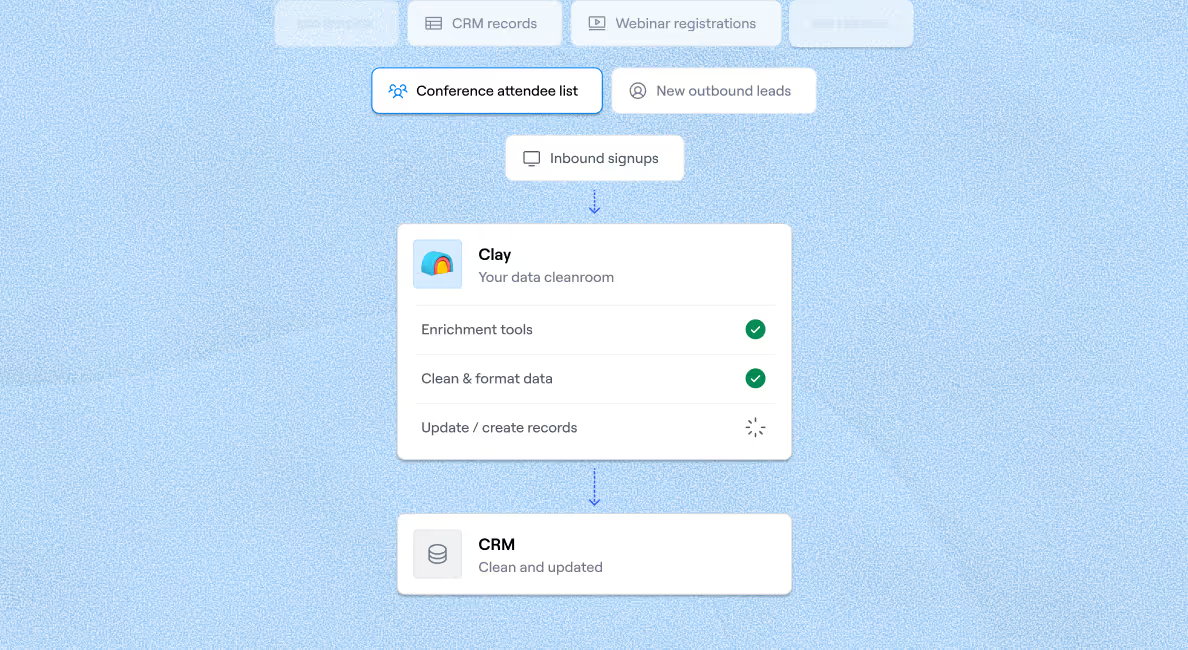
Add your target market or ICP, such as mid-market SaaS companies in North America. Sculptor scans Clay's company database for matches showing active conversion signals this month.
Sculptor sources companies and detects signals
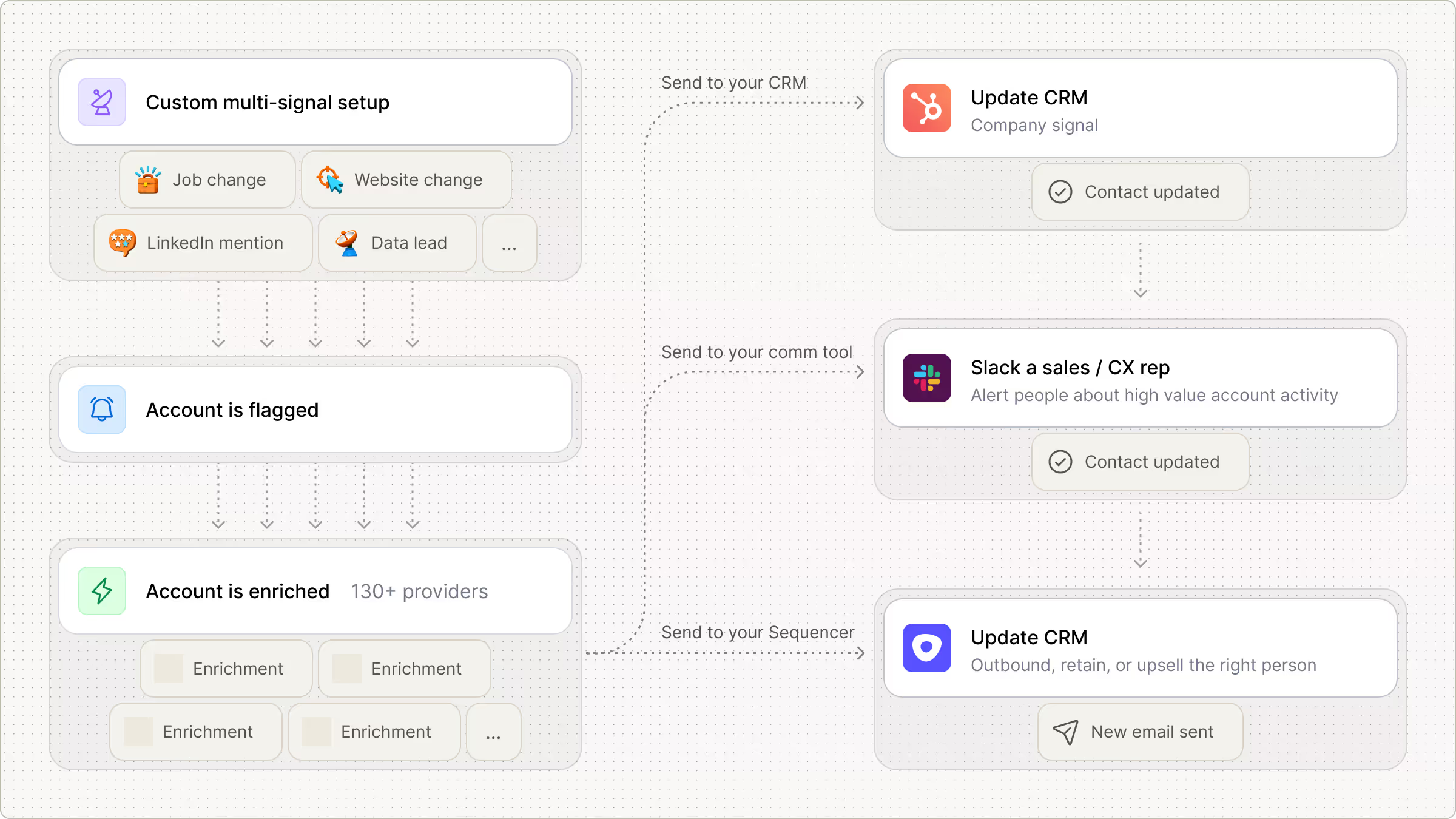
Sculptor assembles a matched company list filtered by your ICP, then Claygent browses each company's site, job board, news, and public data to identify the specific conversion signal detected this month, such as a funding event, hiring surge, or tech stack change.
Review company names and signals detected
The finished table has company name and signal detected this month per row. Sync matched accounts to HubSpot or Salesforce, or push to Smartlead or Instantly to trigger signal-based outreach.
Why Clay for identifying B2B SaaS conversion signals
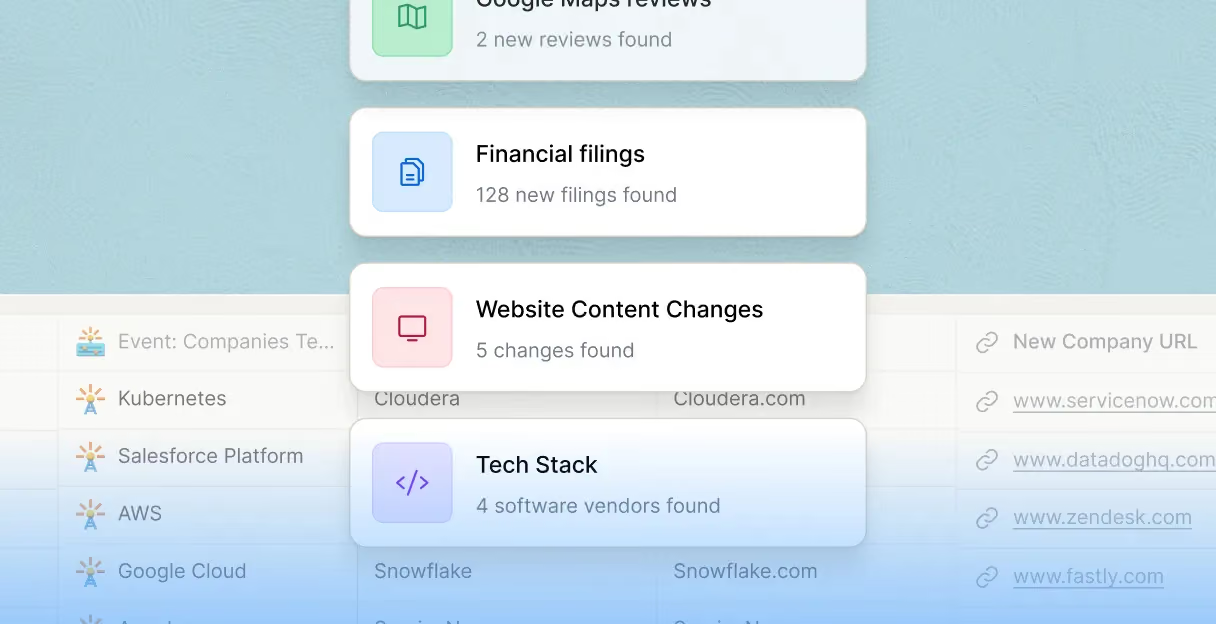
Real-time detection across four signal categories
Catch funding announcements, hiring surges, tech stack changes, and distress signals the moment they appear. Clay monitors each category in real time so you reach accounts during the buying window, not after it closes.
Multi-signal layering for higher-intent accounts
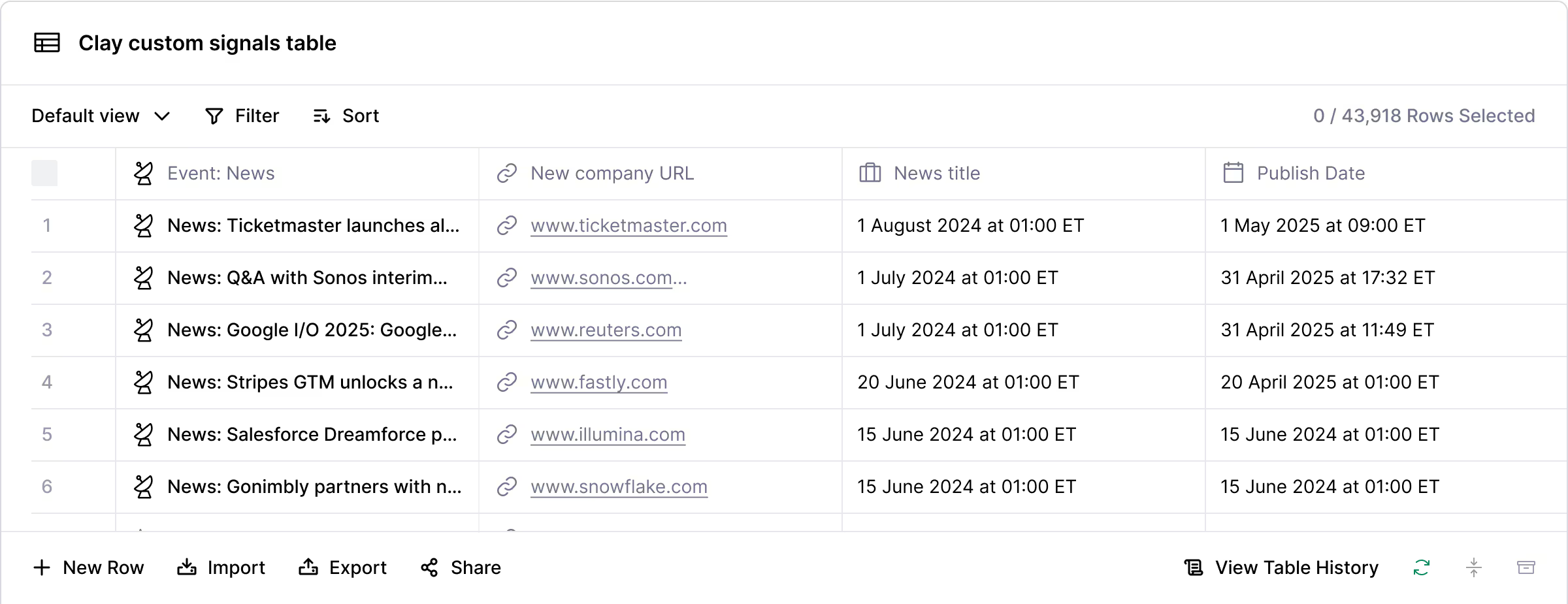
Layer custom signals with default signals like new hires and news events to qualify accounts with genuine buying momentum. A company that raised funding, posted a CMO role, and changed its tech stack scores far higher than any single signal alone.
Claygent reads sites, job boards, and news
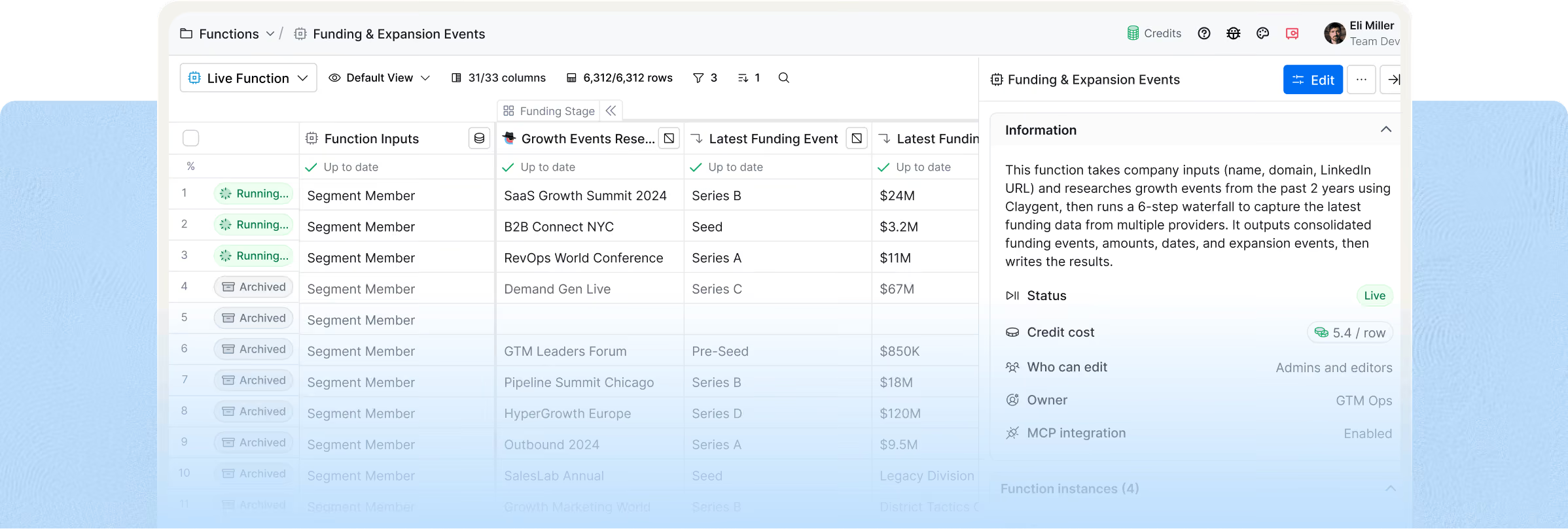
Get funding stage, hiring patterns, and web content changes for every matched account. Claygent browses Crunchbase, company career pages, and public news to extract the specific conversion signal detected this month.
Route signals to Slack, HubSpot, or Salesforce
Push signal-triggered accounts directly to a Slack channel, HubSpot, or Salesforce with enriched context already populated. Reps receive a prioritized alert per account rather than a raw data dump to sort through.

Every lead is pre-qualified, scored on unique signals, and routed automatically through Clay. We're now generating pipeline from segments we weren't even touching before.
Frequently asked questions
How does Sculptor identify B2B SaaS conversion signals?
Sculptor monitors six signal types in a single workflow: funding events, hiring in revenue roles, tech-stack shifts, web intent, news mentions, and social activity. When you enter your target industry or region, it scans for SaaS companies showing one or more of these signals and stacks them to surface accounts with the strongest buy-readiness. It then runs waterfall enrichment across up to 10 contact-data providers to return a verified Head of Marketing email for each match.
How accurate are the conversion signals and contact data?
Industry research shows 93% of B2B marketers see conversion rate lifts of 30% to 300% after layering intent signals into outreach. Signal accuracy improves when you stack multiple types, such as funding plus hiring plus a tech-stack change detected by Find Tech Stack by Domain or HG Insights. For contact data, Clay's waterfall enrichment reaches 80-90% email coverage versus 20-30% from any single provider, so most returned rows include a deliverable Head of Marketing email.
Can I identify conversion signals for a whole list at once?
Yes. Sculptor generates an entire table of signal-matched SaaS accounts in one run. You can also paste a list of target companies, upload a CSV, or pipe data from an existing Clay table to enrich each row with conversion signals and contact details. Once the table is ready, push the full list directly to HubSpot, Salesforce, or your sequencer to reach signal-triggered accounts at scale.
Is it legal to use intent data and buying signals for B2B outreach?
GDPR Recital 47 recognizes direct marketing as a legitimate interest, but you must document a three-part balancing test and honor Article 21 opt-out requests immediately. In the U.S., CAN-SPAM governs commercial email and requires a working unsubscribe link, a physical address, and no deceptive headers. The CCPA B2B exemption expired in January 2023, so California business contacts now have full consumer privacy rights including the right to opt out of data sharing.
Use consent-based intent data providers, confirm your data processing agreements cover sub-processors and cross-border transfers, and always check the rules for your jurisdiction before launching outreach.