




































.avif)


























How to find buying signals
Paste your target account list
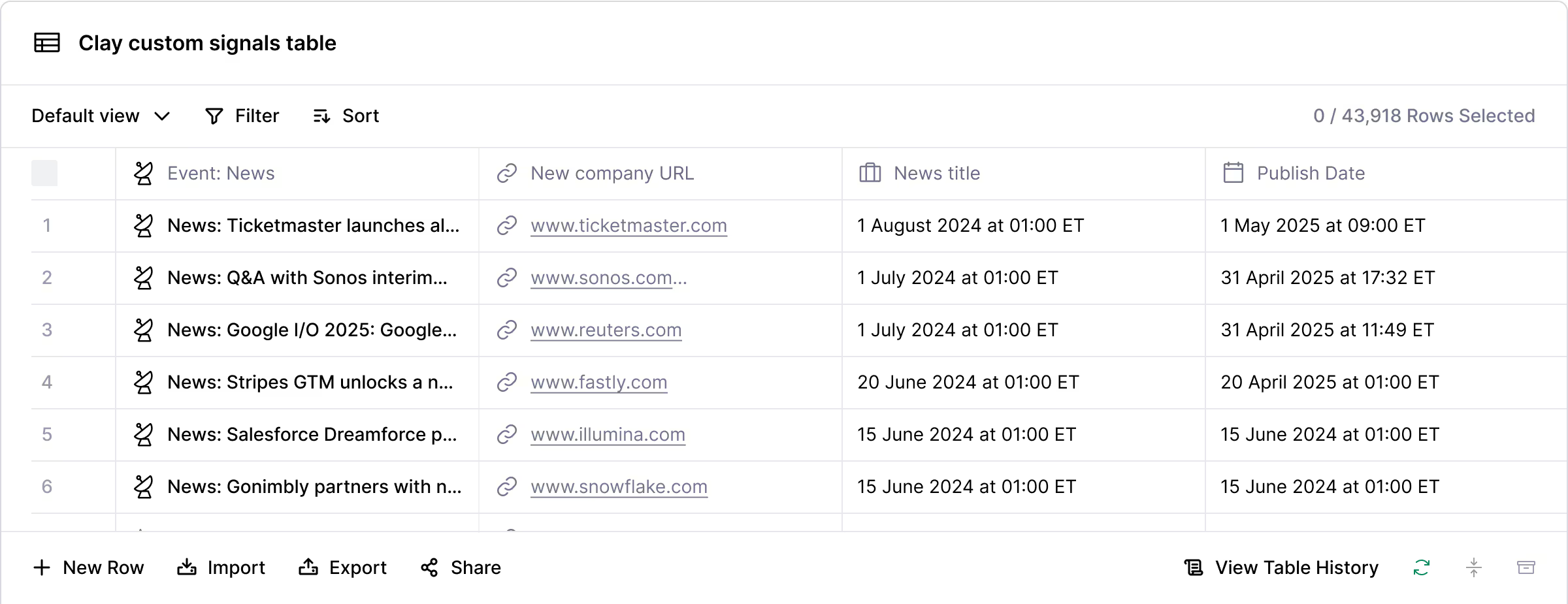
Drop in your target account list. Sculptor scans each company for buying signals detected this month, like funding news, job postings, and leadership changes.
Sculptor identifies signals across target accounts
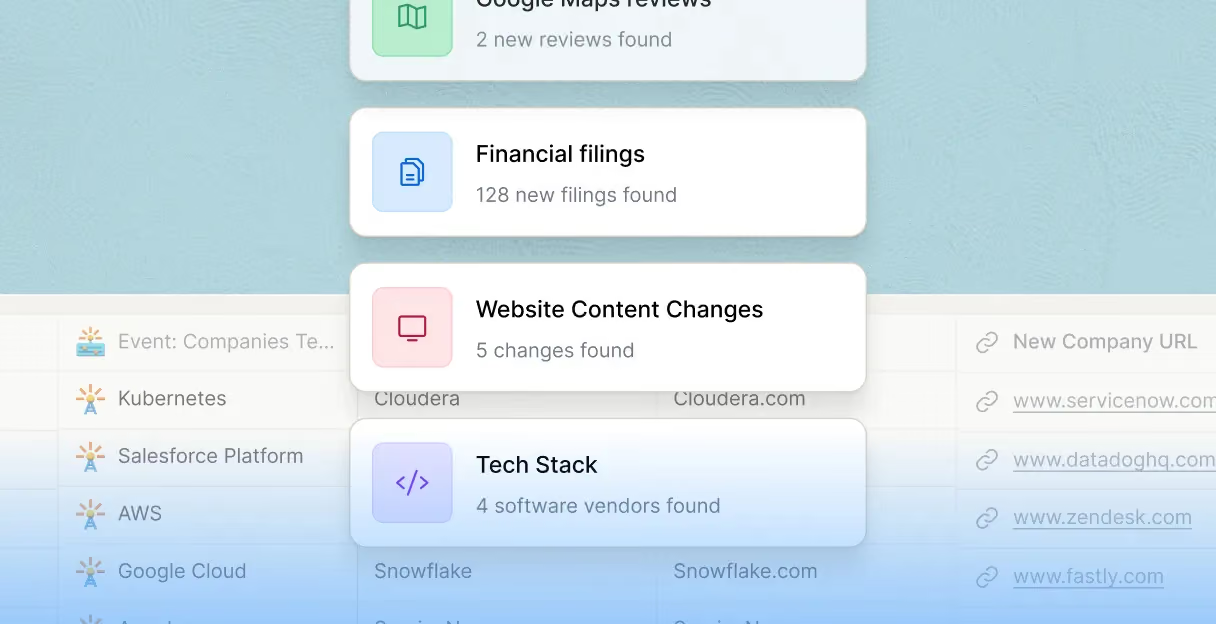
Sculptor monitors each account in Clay's signal network, scanning for growth signals, hiring surges, funding events, and tech stack changes. Claygent browses company sites and news sources to confirm and label each signal detected.
Get company name and signal detected
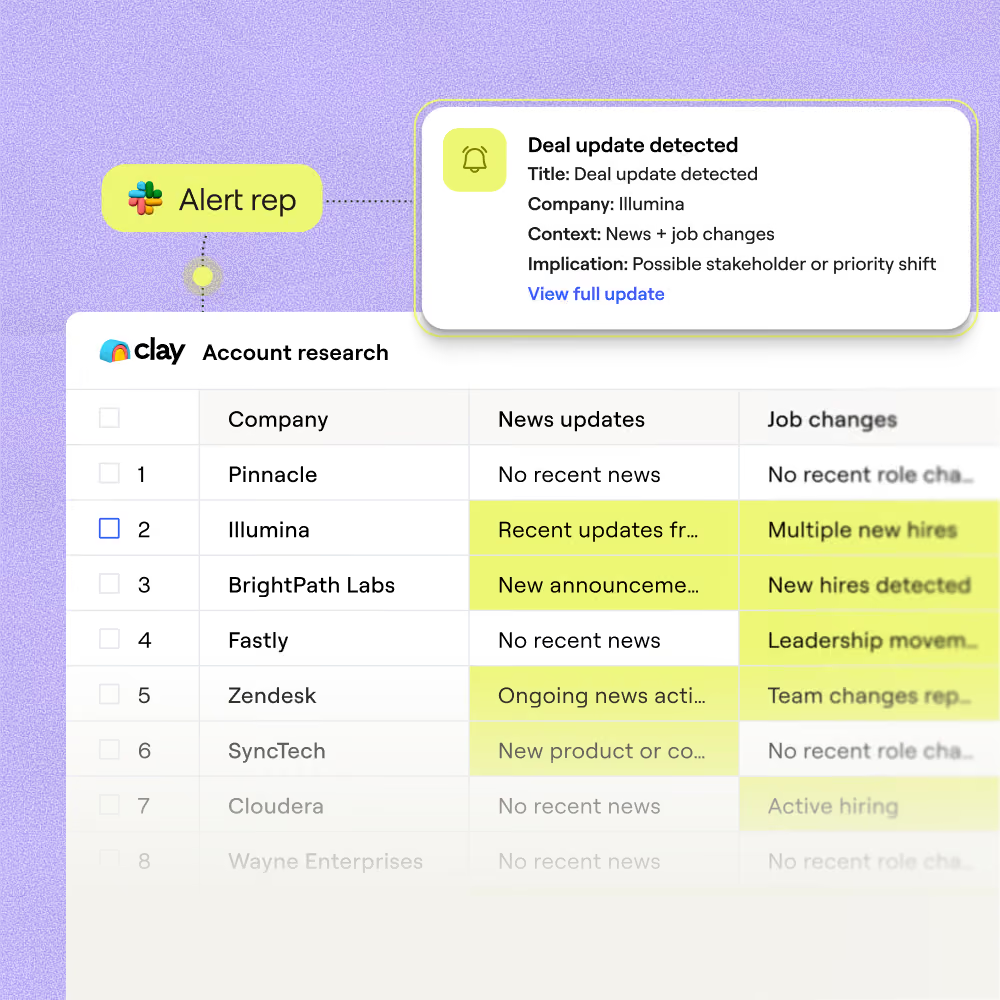
Your table shows company name and signal detected this month. Send new signal matches to Slack and log the account in your CRM so your team acts within minutes.
Why Clay for finding buying signals
Real-time signal detection on a schedule
Know the moment an account enters a buying window. Clay runs standing monitors on your target list, surfacing job changes, funding events, and hiring surges on a daily cadence so no signal goes stale.
Multi-signal stacking to confirm momentum
One signal is a guess. Stacking funding, new hires, pricing-page visits, and tech adoption in Clay's Formula columns flags accounts crossing a threshold, separating real momentum from coincidence.
Claygent enriches every signal automatically
Get a rep-ready record, not a raw alert. Claygent browses job boards, news sources, and company sites to attach firmographics, tech stack, recent news, and a verified contact to each matched signal row.
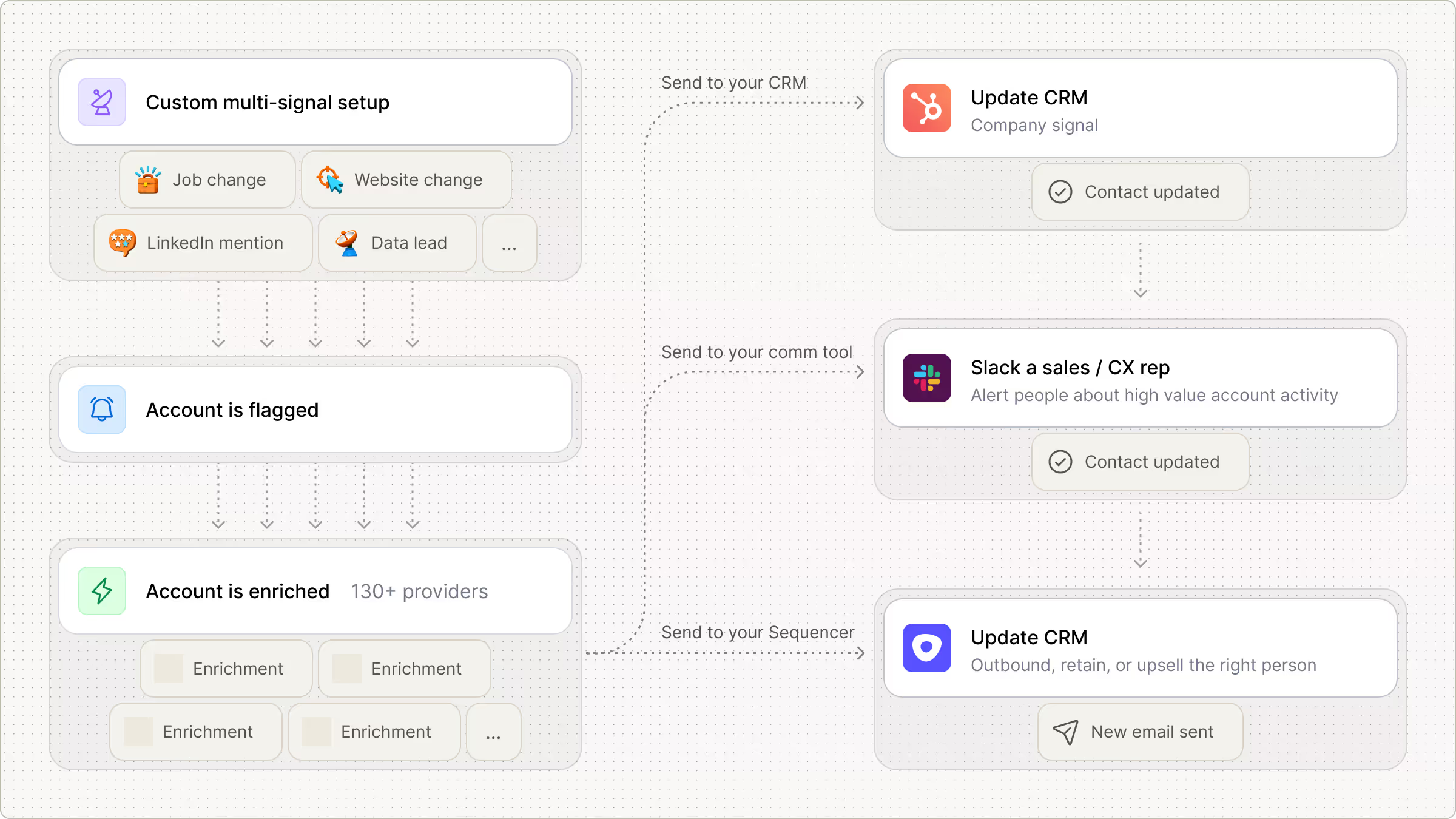
Automatic routing to Slack and Salesforce
Hot accounts get a same-day Slack alert with a drafted opener to the owning AE. Medium-urgency accounts write directly to Salesforce or HubSpot as enriched records placed on a sequence, in minutes.

Every lead is pre-qualified, scored on unique signals, and routed automatically through Clay. We're now generating pipeline from segments we weren't even touching before.
Frequently asked questions
How does Sculptor find B2B buying signals?
Sculptor scans four signal categories (intent, growth, change, and distress) to surface companies actively in buying mode. It pulls funding announcements, hiring surges, leadership changes, and competitor review activity from sources like TrustRadius intent data and HG Insights tech-stack changes, then enriches each row with firmographics and a verified VP of Sales email.
How accurate are Clay's buying signal results?
Intent data generally predicts buying behavior with 60-75% accuracy, and stacking multiple signal types improves precision. Clay's waterfall enrichment queries 150+ data providers per row, lifting contact coverage from roughly 30% with a single provider to 80% or higher. Combining first-party web intent with third-party signals from TrustRadius and HG Insights gives you a higher-confidence picture of which accounts are genuinely in-market.
Can I find buying signals for a whole list at once?
Yes. Paste a list of target segments, upload a CSV of accounts, or pipe an existing Clay table into a new Sculptor run to scan for signals in bulk. Each row returns company name and VP of Sales email, ready to push directly into HubSpot, Salesforce, or your sequencer so you can start outreach while accounts are still showing active intent.
Is using intent data for outreach legal under GDPR?
GDPR treats business email addresses as personal data under Article 4, but Recital 47 confirms direct marketing can qualify as a legitimate interest. You need a documented three-part legitimate-interest assessment (purpose, necessity, balancing) and must send an Article 14 notice within one month when data comes from a third-party source like an intent provider. In the US, CAN-SPAM governs commercial email, and California's CCPA B2B exemption expired in 2023, so business contacts there now have full consumer rights.
Always check the rules for your jurisdiction and ensure your intent data vendors maintain consent-based collection practices.