






































.avif)



























How to find psychographic data
Paste your target account list into Sculptor
Drop in your target account list. Sculptor identifies contacts at each company and maps out the psychographic profile fields: values, interests, and key motivations.
Claygent browses and builds each contact profile
Sculptor uses Claygent to browse public sources, LinkedIn activity, company sites, and written content for each contact. It extracts values, professional interests, and inferred motivations and returns them as structured, row-level data per company.
Review company name, values, interests, and motivations
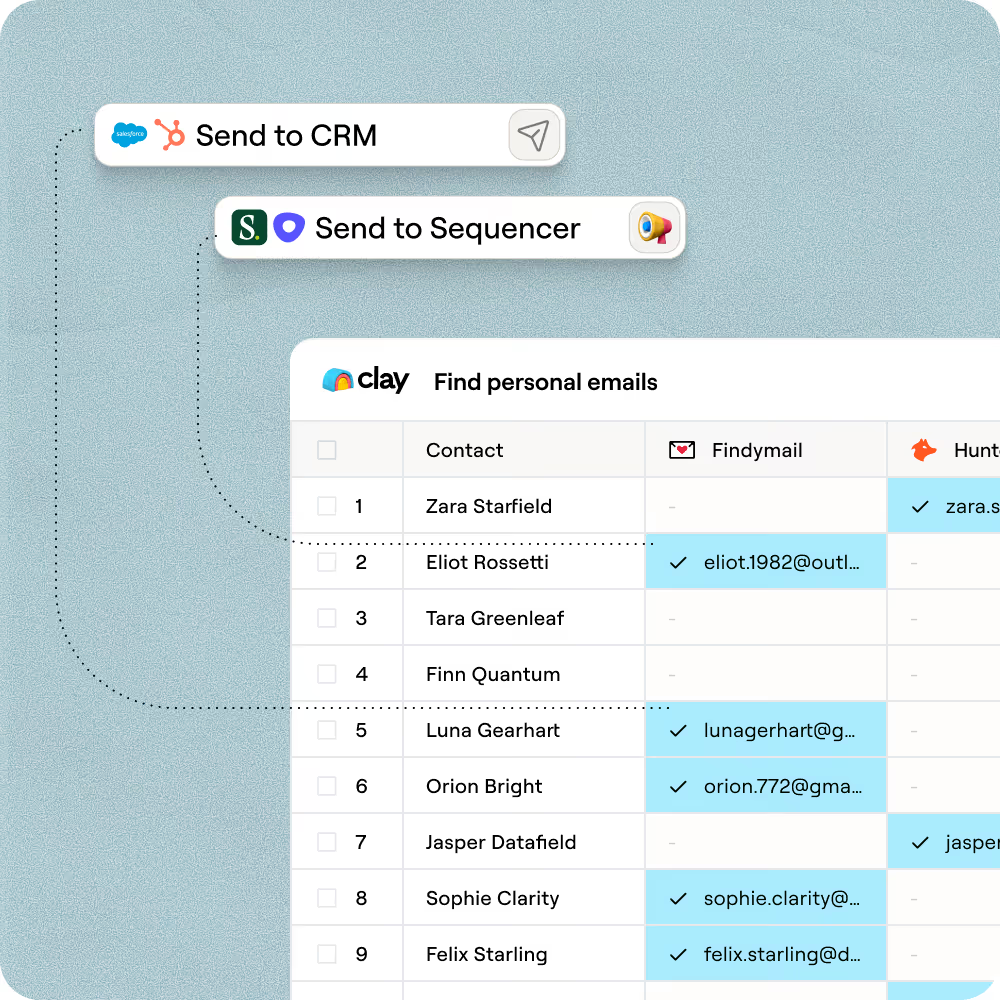
The finished table has company name, values, interests, and key motivations per contact. Push enriched rows to HubSpot or Salesforce, or trigger personalized outreach in Smartlead or Instantly using the psychographic context.
Why Clay for finding psychographic data
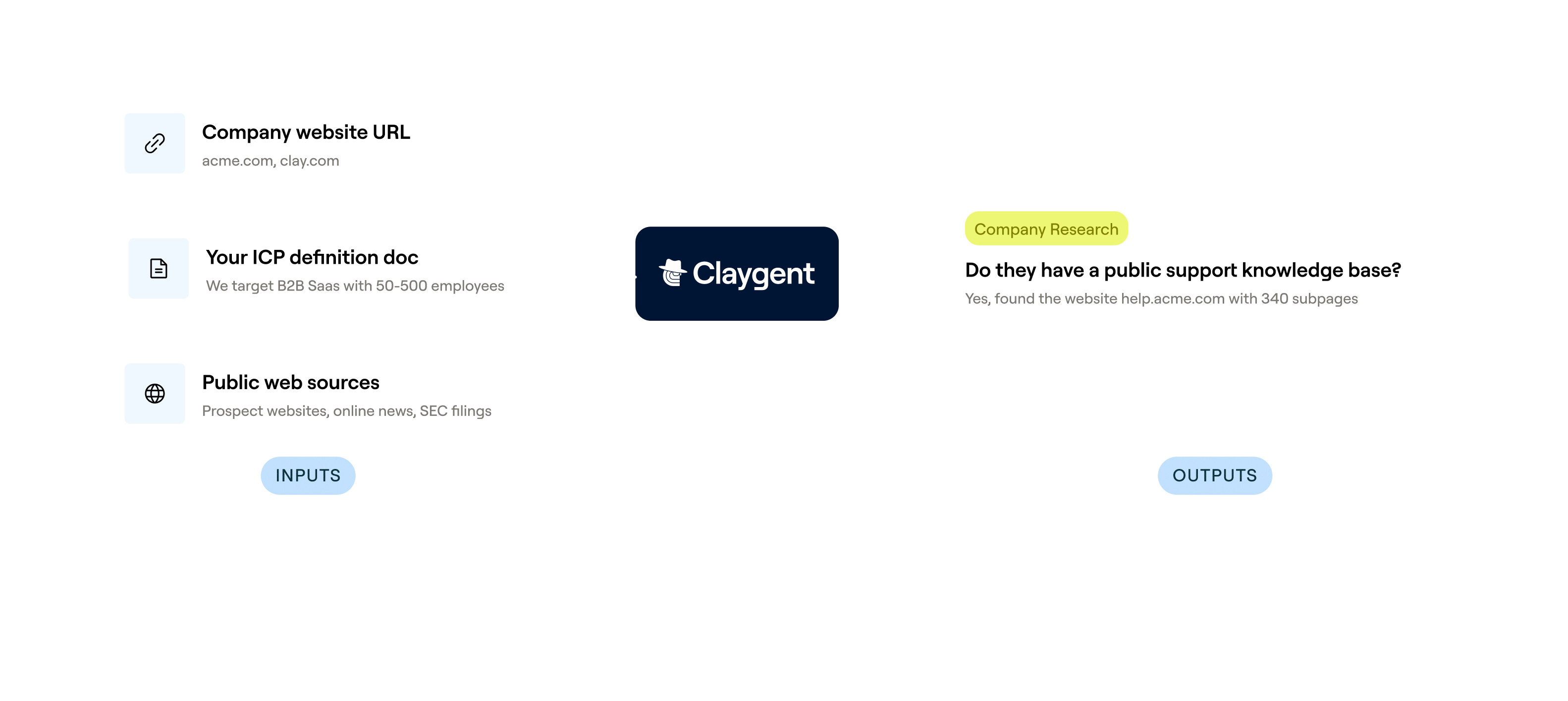
Claygent reads public signals per contact
Surface values, interests, and motivations for each contact in your account list. Claygent browses LinkedIn activity, company sites, and published content to extract structured psychographic fields row by row.
Verified contact data layered on every profile
Pair psychographic context with confirmed contact details. Clay waterfalls through 150+ providers in sequence to find verified emails for matched rows, charging credits only on a successful hit.

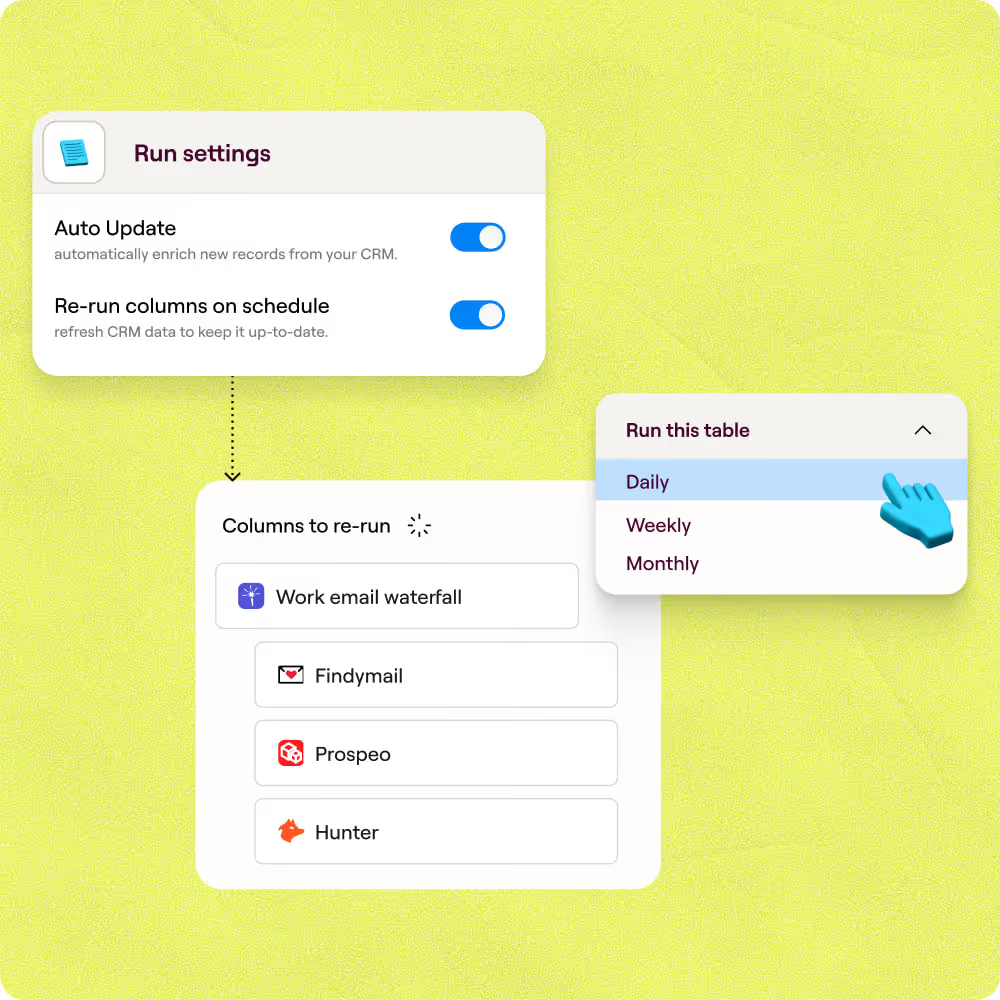
Auto-refresh keeps profiles accurate over time
Psychographic signals shift as contacts publish new content and change roles. Scheduled imports in Clay re-run Claygent on a set cadence so each profile reflects the freshest public data.
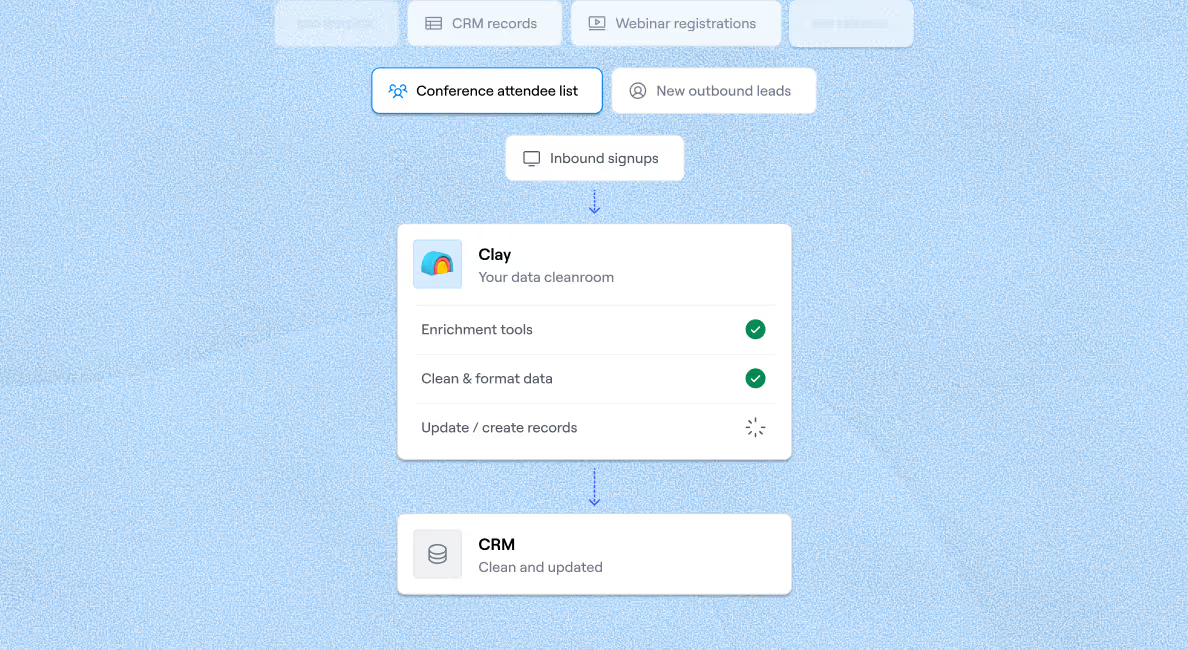
Push enriched rows to Salesforce or Smartlead
Enriched rows flow directly to HubSpot, Salesforce, or Smartlead in minutes. Personalized outreach sequences can reference each contact's values, interests, and motivations pulled straight from the Clay table.

Our most successful campaigns are built on data that doesn’t exist in off-the-shelf tools. Clay helps us find those signals — and transform ambitious ideas into executable, high-performing campaigns.
Frequently asked questions
How does Sculptor find psychographic data for prospects?
Sculptor matches companies from your target segment, then enriches each row with psychographic signals like values, priorities, and buying motivations. Claygent scrapes each company's website in real time to surface attributes that standard databases miss, such as pricing model, hiring activity, and compliance posture. It also waterfalls across providers like Apollo, Hunter, and Prospeo to find a verified Head of Marketing email for every match.
How accurate is the psychographic and email data Clay returns?
Waterfall enrichment lifts email coverage from roughly 30% with a single provider to 80% or higher, and Clay's 2025 benchmark found top providers like Hunter and Prospeo exceeding 97% email quality. Psychographic accuracy depends on public data availability. Claygent reads each company's live website, so the signals reflect current messaging rather than stale database snapshots.
Can I find psychographic data for a whole list at once?
Yes. Paste a list of companies, upload a CSV, or pipe rows from an existing Clay table. Sculptor enriches every row in parallel, pulling psychographic attributes and verified emails across the full list. When enrichment finishes, push the table directly to HubSpot, Salesforce, or export as a CSV to start outreach immediately.
Is it legal to collect B2B psychographic data and email prospects?
In the US, the CAN-SPAM Act governs commercial email, including B2B messages, and requires accurate sender info, a physical address, and a working opt-out mechanism. Penalties reach $53,088 per non-compliant email. In the EU, GDPR Article 6(1)(f) allows B2B outreach under a legitimate-interest basis, but you must document a Legitimate Interest Assessment and honor opt-out requests promptly.
Always check the rules for your jurisdiction before launching outreach campaigns.