How will costs for my workflows change?
Most customers will get significantly more value from Clay under the new pricing model. To illustrate, we’re showing the same automated inbound workflow for two customers. In one example, the customer uses Clay’s data marketplace for enrichment & AI. In the other, the customer uses Clay for orchestration, but exclusively uses their own API keys.
Example 1: Customer exclusively uses data marketplace
The example workflow below compares the legacy and modern pricing structures. Because data is cheaper under the new model, the same workflow costs 7.3 Data Credits on modern plans, compared to 20 Data Credits on legacy plans. On modern plans, enrichment and GTM execution steps each count as one Action toward the overall platform usage.
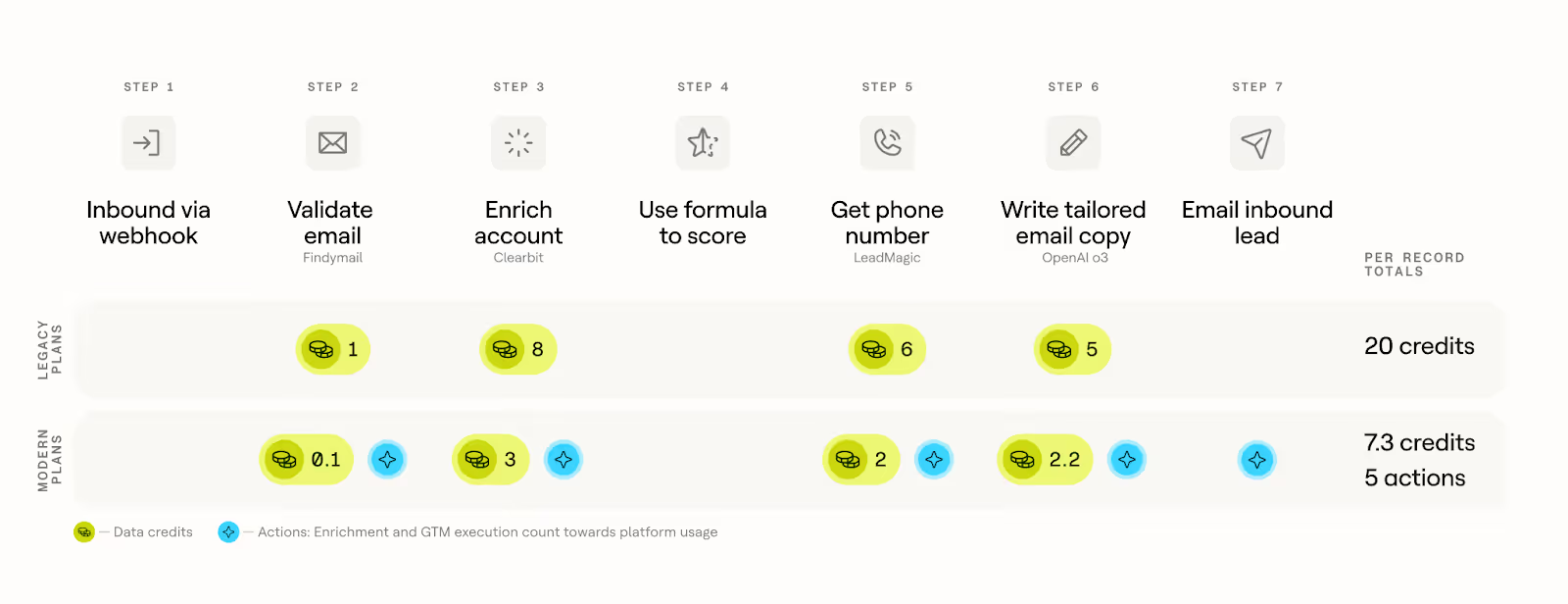
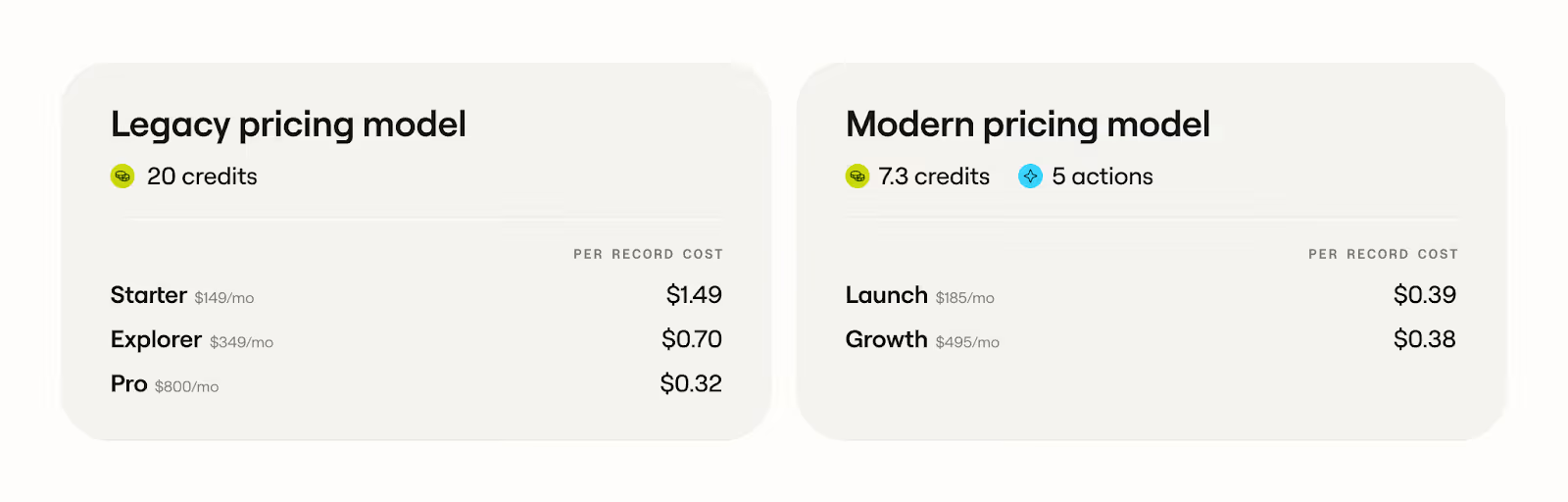
To illustrate the real-world impact, we can translate that data credit and action consumption into dollars. The table below shows how the same workflow compares on different plans. (These per-record costs are illustrative, because each Clay plan’s monthly cost includes a package of Data Credits and Actions.)
Example 2: Customer exclusively uses APIs
Unlike Example 1, this customer connects their own API keys rather than purchasing data or AI through Clay's marketplace. That means no Data Credits are consumed at all. Clay is still doing the heavy lifting — running enrichments, executing workflow steps, and syncing results — which consumes one Action per step indicated below under the new pricing model.
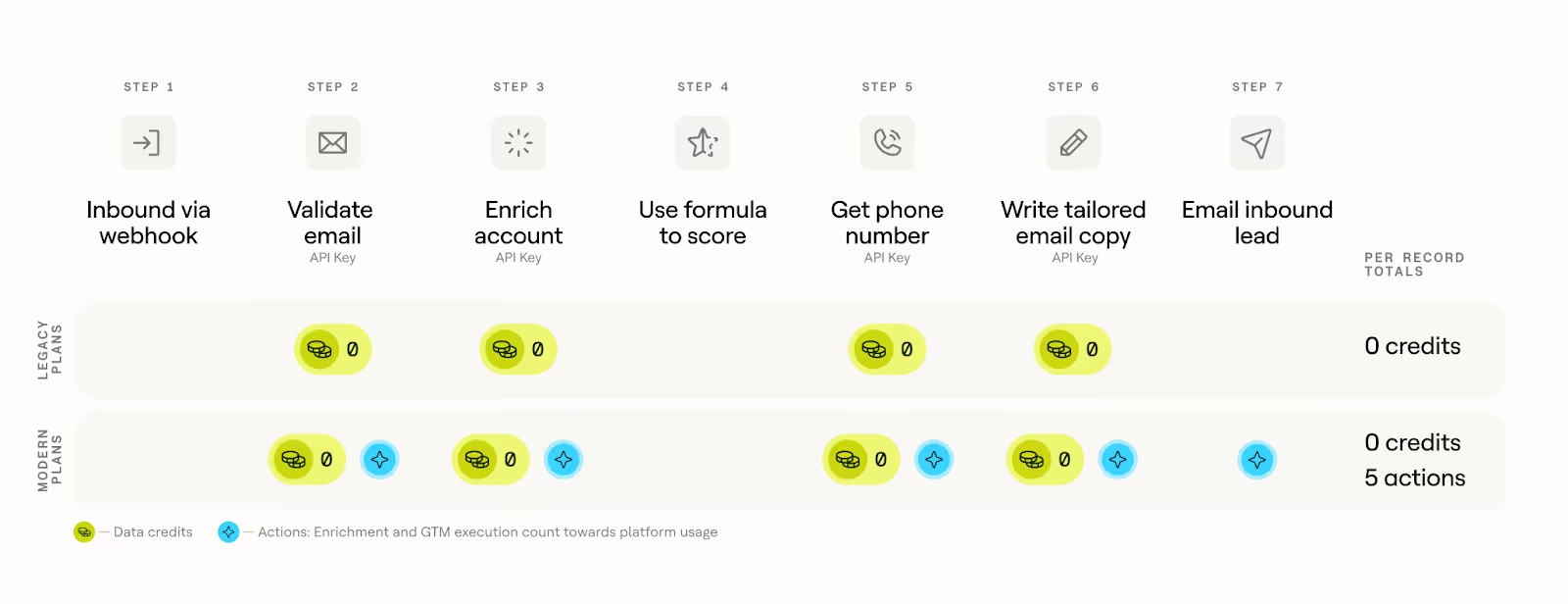
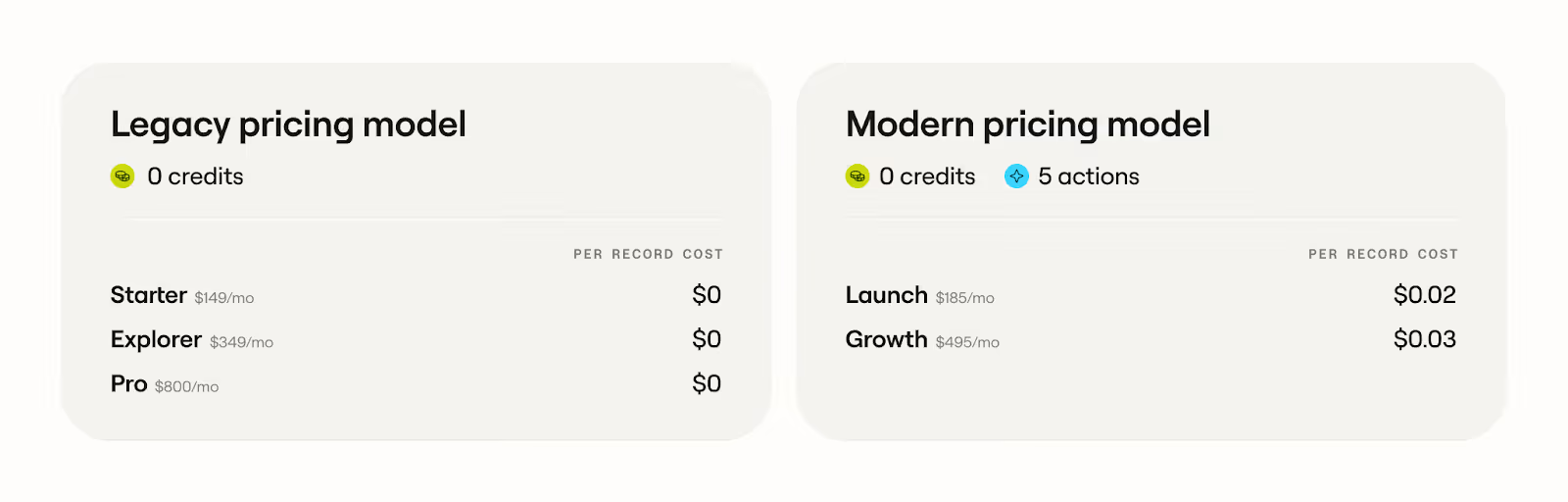
Previously, even though Clay was orchestrating the end-to-end automation of the inbound flow, the workflow was effectively free to the customer. On modern pricing plans, there’s now effectively a very small per-record cost, because Actions now directly tie Clay’s platform value to the customer’s platform cost.
For more details, read the Action and Data Credits help doc.
Learn with our resources
Check out Clay University, read our GTM blog, or try out our top templates to transform your growth ideas into outreach in minutes.
Clay University
Master Clay in a few core lessons. Uplevel your data enrichment, craft better outbound messages, and book more meetings.

Go to market blog
Our best content on growing your GTM motion, from outbound sales automation to AI lead generation.

Integrations
Browse through all the integrations you can connect to Clay in seconds and discover what you can do!


Clay Experts
Hire a Clay Enterprise expert or find a Clay partner to help with your next project
Clay's Chrome extension
Clay’s Chrome Extension makes it wicked easy to find leads almost anywhere on the internet
