































.avif)










Today, we’re launching a pricing update that reduces data costs, and simplifies and improves the value of our plans. Our goal is to have Clay be your default tool for GTM Engineering.
In order to achieve this, we are separating data and platform costs. Credits are now Data Credits, and we’re introducing Actions to measure platform work, so customers have a clearer picture of how they’re using Clay. We've designed plans so 90% of customers will never hit a limit on Actions.
TL;DR
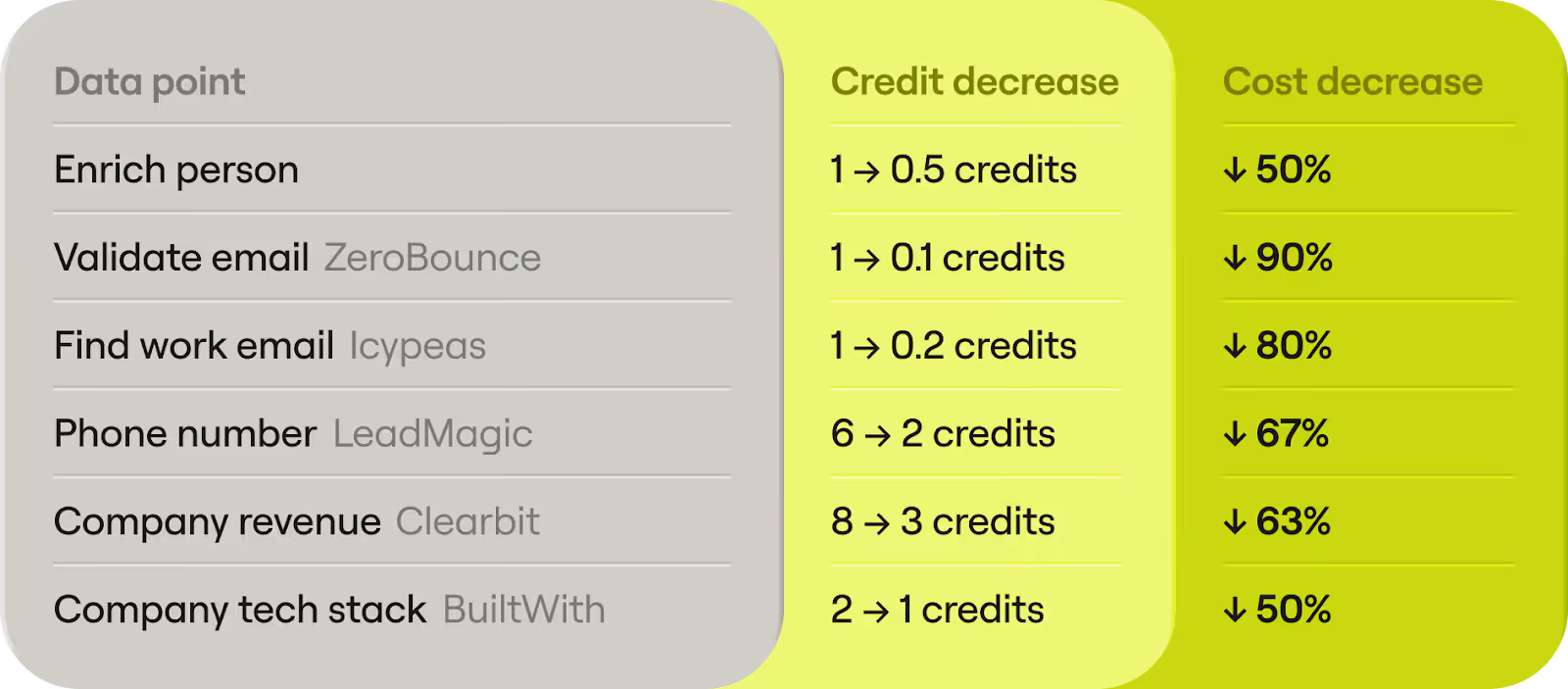
- Data is cheaper. We’re reducing the cost of data in our marketplace by 50–90%, making prices comparable to what you’d pay externally. Data credits always get cheaper as you grow, and we’re cutting the premium on data top-ups from 50% to 30%.
- Our most advanced features are at a lower price. Clay’s most powerful features — CRM integrations, Web Intent, and our new Ads product — are now available at $495/mo, $305 less than the old Pro plan.
- To achieve this, we’re introducing Actions: Pricing now separates data costs (Data Credits) from platform work (Actions), giving you a clearer picture of your spend. Data Credits are now more affordable, and 90% of customers will never hit their Actions limit.
- Existing self-serve customers can choose what is best for them. Enterprise customers will receive a custom transition plan. If staying on a legacy plan is best for you, you don't have to change anything. If you want to switch to a different legacy plan, you have 30 days to decide. We’ll reach out if we think you can save money with our new plans.
Why we’re making this change
Clay first launched as a data marketplace to help customers better research prospects. The first use case was enriching and exporting lists of companies and contacts.
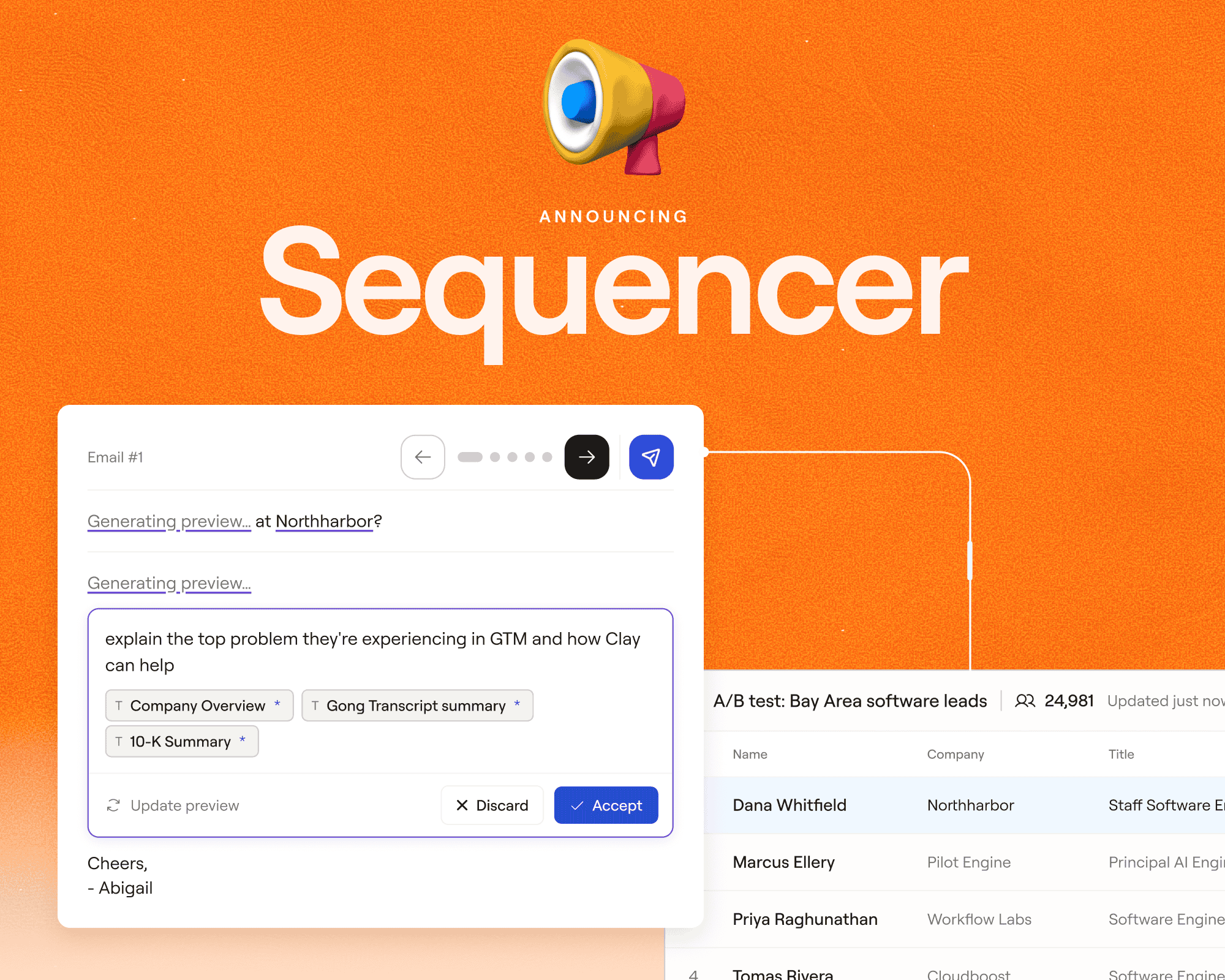
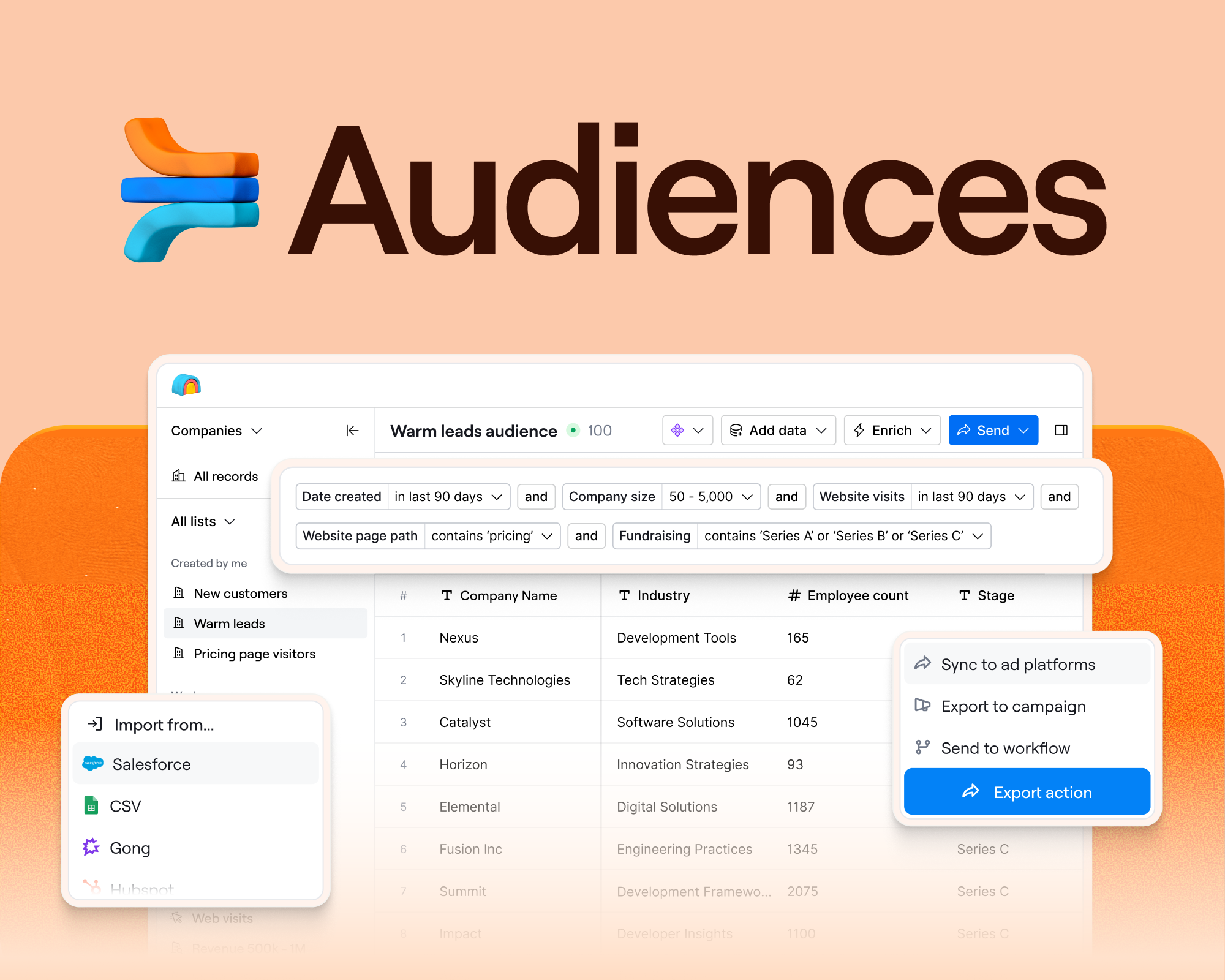
We then built Signals to help people track buying moments, Audiences to centralize data across their accounts, Sequencer to execute email campaigns, and Ads to target the right accounts. Today, Clay is an end-to-end GTM Engineering tool that helps teams enrich, orchestrate, and automate every part of their growth motion.
Clay credits previously bundled the cost of data and the cost of using our platform into one metric. If you were focused on acquiring data, Clay felt expensive; if you were orchestrating complex workflows, Clay didn’t share in the value of that work.
New plans and model
New customers joining Clay can select from the following plans: Launch, Growth, and Enterprise. Each plan maps to a level of scale and functionality, so choosing the right plan should feel easy. As you upgrade plan types, you access more native integrations and security, unlock larger scale workloads and faster processing speeds, and receive prioritized support.
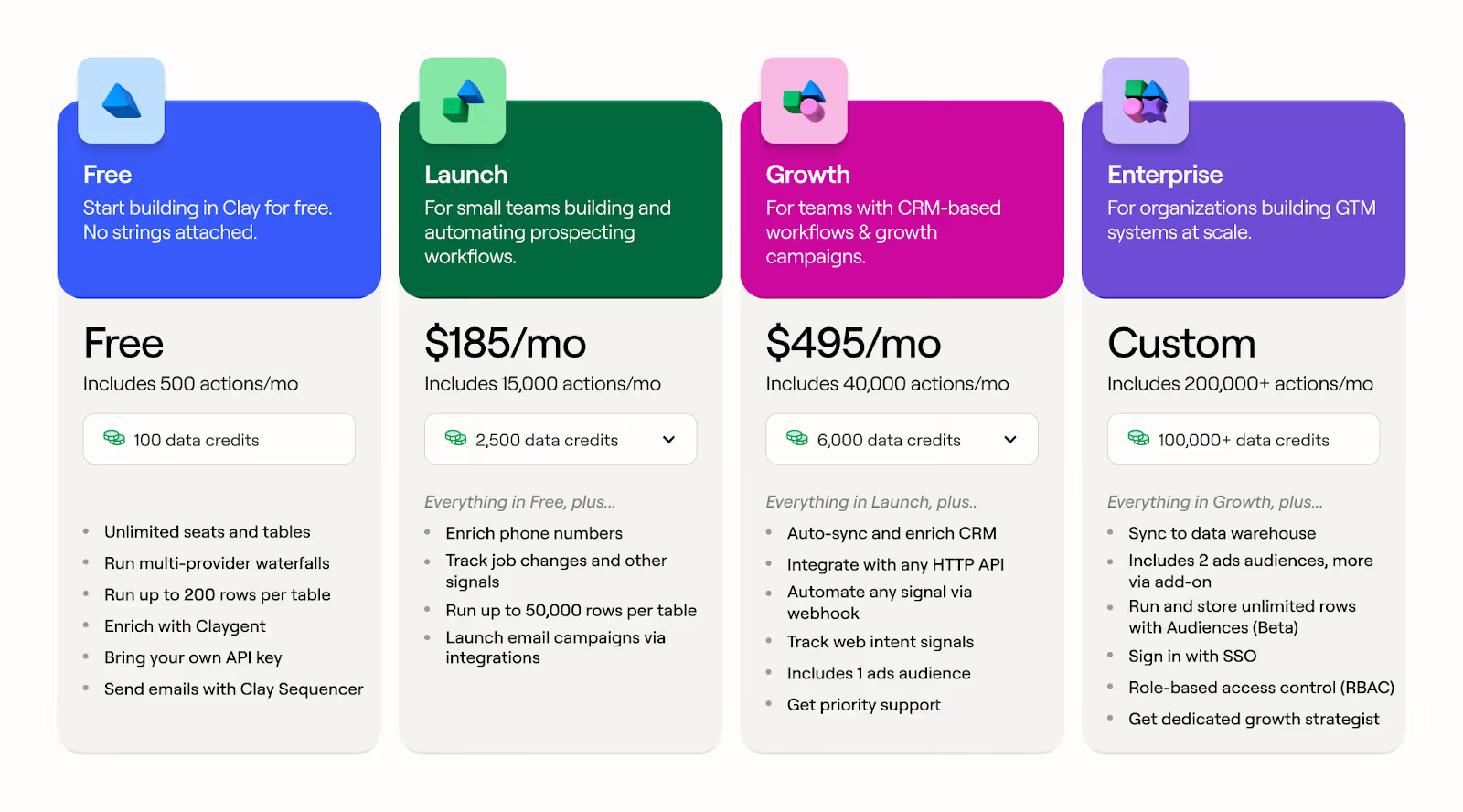
Every plan comes with a total capacity, called Actions, and a total amount of third-party data, powered by Data Credits.
Actions measure the orchestration you do in Clay: enriching data, running AI research, and sending data to other tools, even when you’re not using Data Credits. When you choose a plan, you're buying access to Clay's platform at a certain scale; Actions define that scale. Every plan has enough Actions to cover the usage of 90% of our customers — most customers won't have to actively think about their Actions usage.
Data Credits power enrichments and pay our 150+ data partners, just like before. With platform costs no longer baked into data pricing, buying data through Clay is now both comparable to what you’d pay externally and meaningfully cheaper: Our most-used enrichments now cost 50–90% fewer credits.
Data credits will always get cheaper as you buy more or upgrade plans. For maximum flexibility, customers can choose Data Credits independently of their plans.
More accessible and flexible
We also used this update to build in a few things customers have been asking for — easier access to key features, fairer AI pricing, and less friction when you need to scale.
More features on self-serve plans
Clay’s self-serve plans are becoming a lot more powerful.
Customers on Launch plans now get access to email sequencer integrations as well as reusable workflows (Functions, coming soon).
Customers on Growth plans now have access to web intent signals (previously gated to Enterprise), CRM integrations (previously gated to Pro), and our new Ads product. All of these features come at a lower price point: Growth starts at $495 per month, compared to the legacy Pro plans, priced at $800.
One feature we wrestled with was HTTP APIs. We observed that a meaningful percentage of customers who used HTTP APIs in our legacy plans migrated up to our fully featured Pro plans over their first year. Because we think it fits as part of the toolkit for most advanced users, we included it in our new Growth plan.
More fair and flexible AI pricing
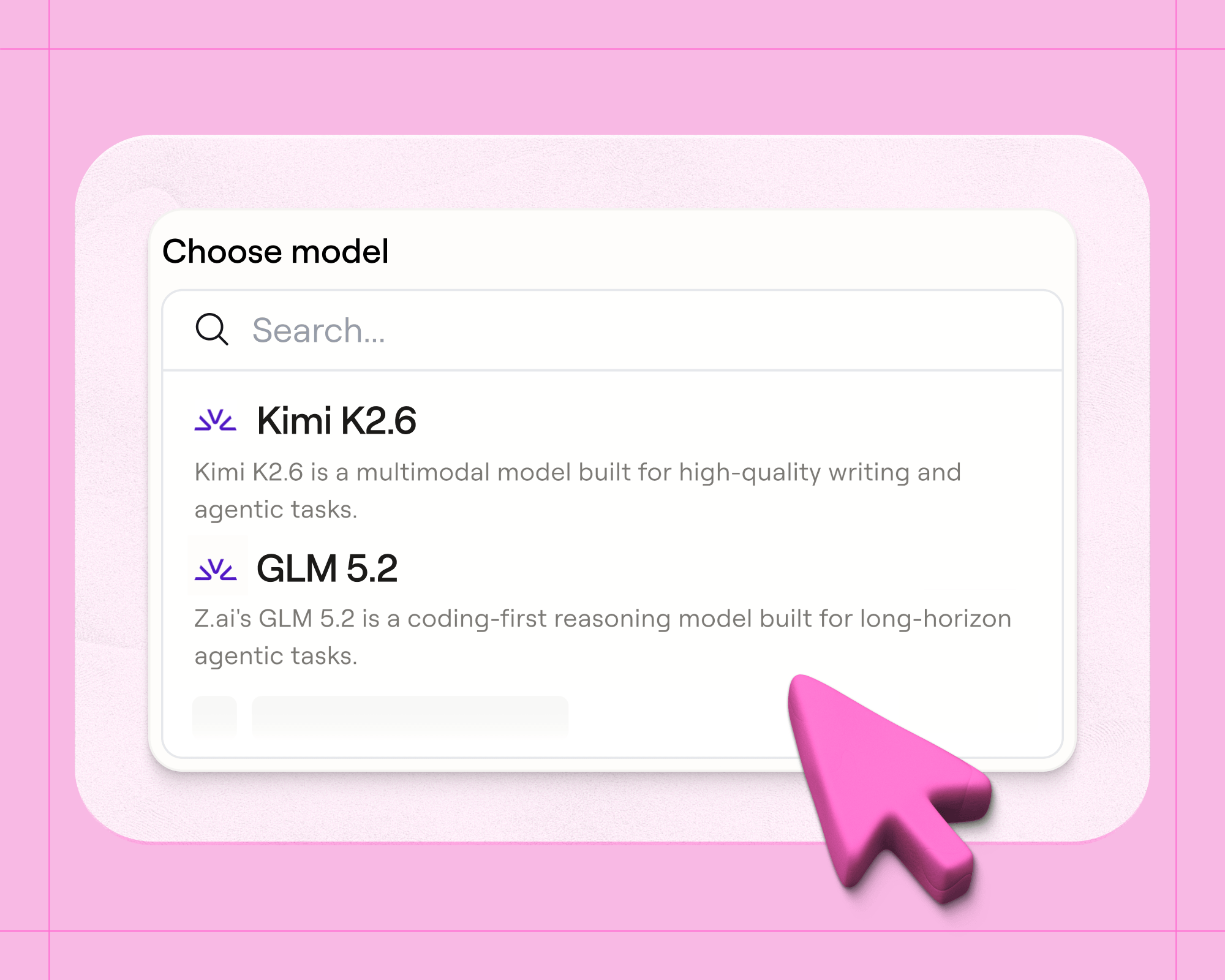
Customers use different AI models within Claygent to do deep GTM research at scale. With this update, paying for AI in Clay is much more flexible:
- Lightweight and proprietary models (80% of models) stay flat-rate — you pay a fixed number of data credits per use.
- The most sophisticated models (20% of models) shift to variable pricing based on token consumption. This means you only pay for what you actually use, instead of subsidizing the cost of other customers' heavier prompts.
Clay charges no markup on these reasoning models — we pass through costs directly. We've also negotiated industry-leading rate limits with our model providers, which means AI workloads paid for with Data Credits are 2x faster than workloads using customers' own API keys.
With these changes, we expect 85% of customers who are using AI to spend less.
More flexibility as you scale
Scaling with Clay is simpler now. You can add more Data Credits to any plan without a ceiling, and if you need to increase data credits between billing cycles, the premium for that has dropped from 50% to 30%.
What this means for customers
We’re putting the choice in your hands: all current Starter, Explorer, and Pro customers can remain on our legacy plans. Enterprise customers will work with their Growth Strategist on a custom transition plan, and can transition early or wait until renewal. And if you want to switch to a different legacy plan, you have until April 10, 2026 (11:59 PDT) to do that — after which you can move to a modern plan anytime.
Most customers will see better value for their money with this change. Generally, customers who have more Clay-purchased enrichments will see the biggest savings. Customers who predominantly use their own API keys or are on Pro plans may see a price increase. (The Pro price increase is on us: we mispriced that tier during our 2022 pricing update and have been operating at a loss on that segment for years.) We don’t expect this change to materially impact costs for most customers. For examples of workflows and scenarios and how that impacts costs, see the FAQ below.
If the new pricing can save you money, we'll reach out proactively so you can make an informed decision.
We expect this update to cost us roughly 10% in revenue. But we’re betting this sets our ecosystem up to grow even faster. What customers pay should reflect how they actually use the product, and for a long time it hasn't. That clarity matters to us more than maintaining revenue from a misaligned model.
How the cost of customer workflows change on the new model
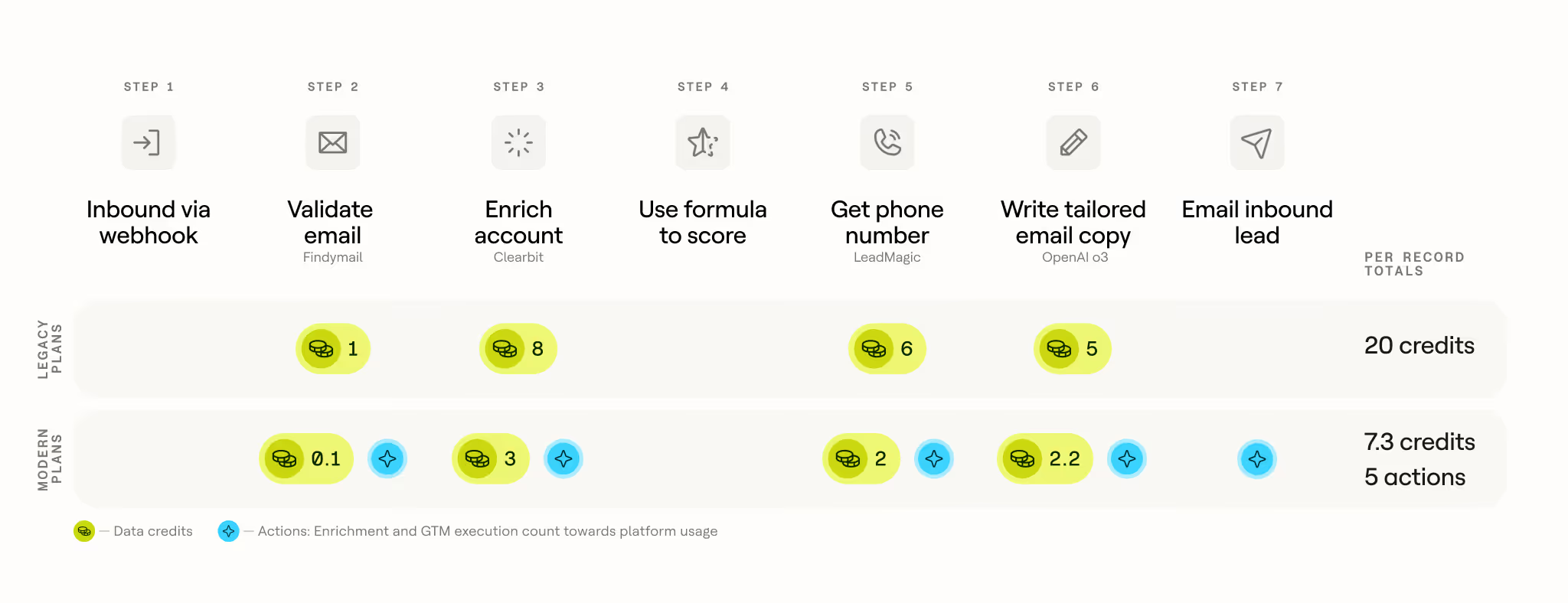
Most customers will get significantly more value from Clay under the new pricing model. To illustrate, we're showing the same automated inbound workflow for two customers. In one example, the customer uses Clay's data marketplace for enrichment & AI. In the other, the customer uses Clay for orchestration, but exclusively uses their own API keys.
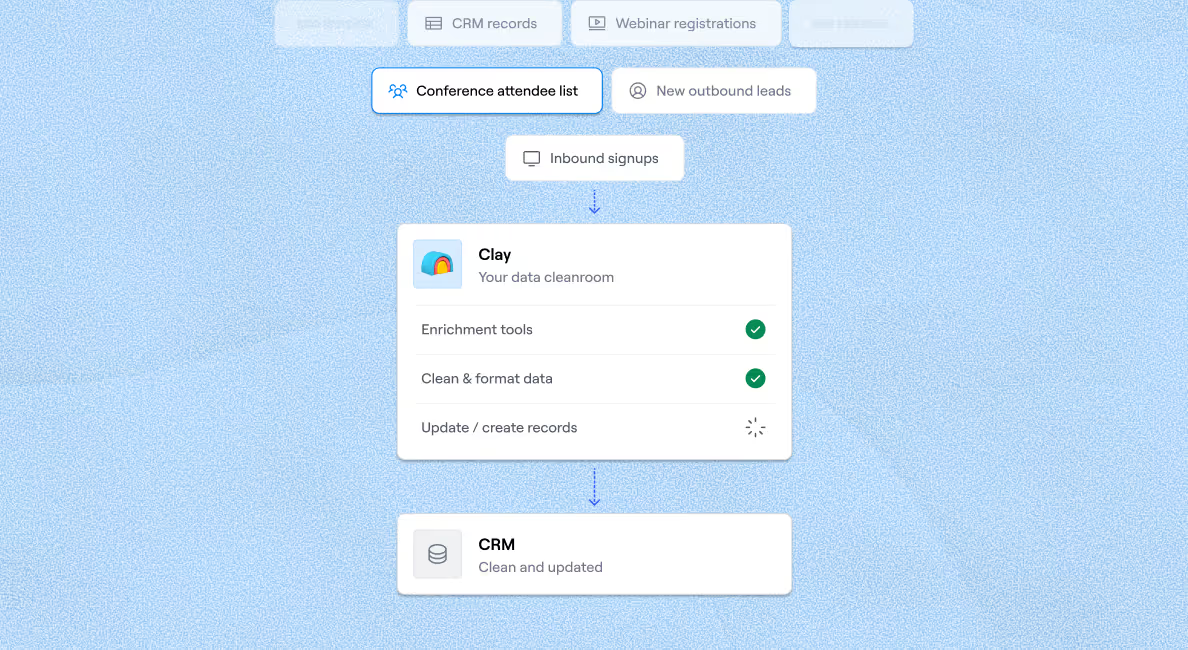
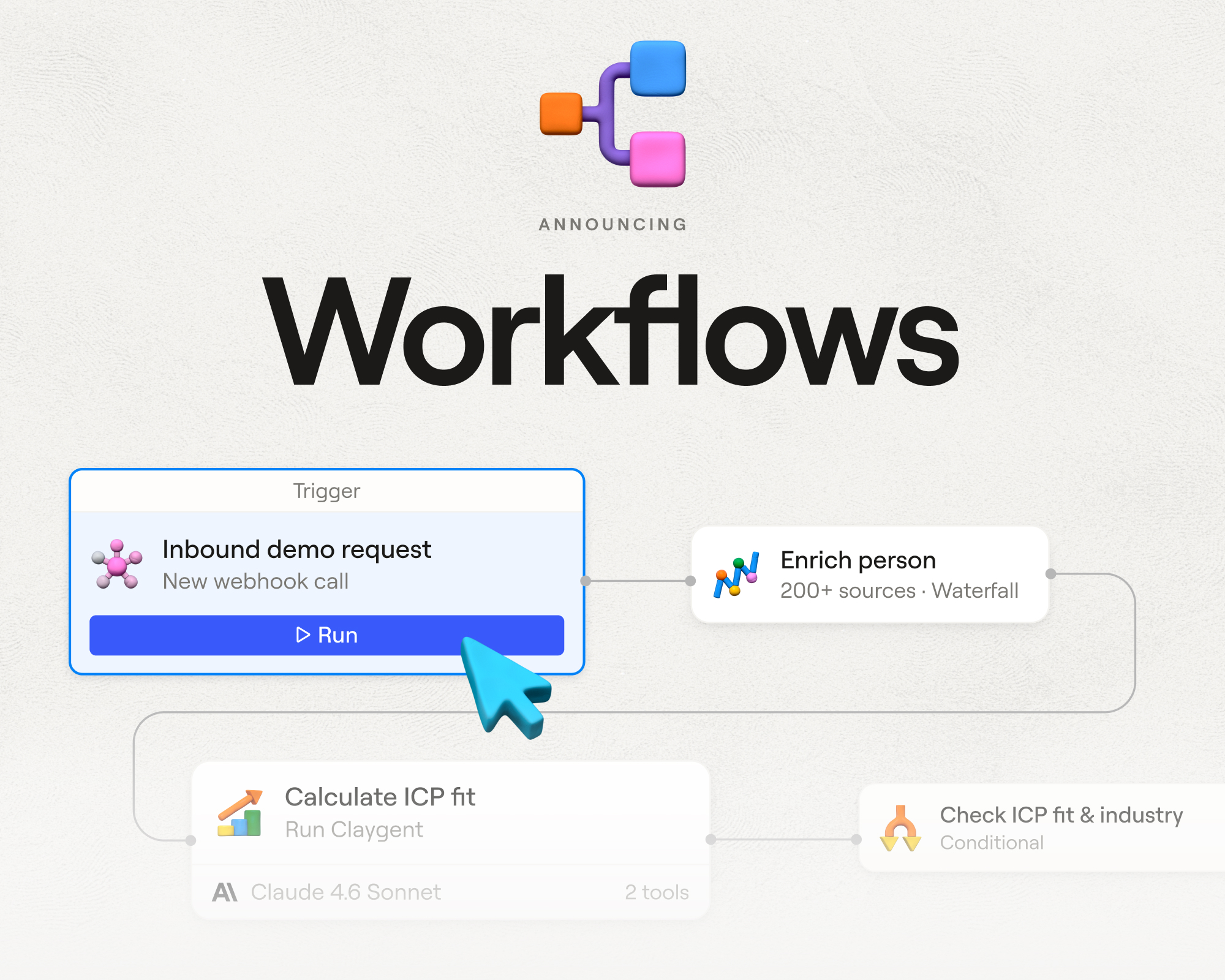
The example below compares the legacy and modern pricing structures for the same inbound automation workflow. Because data is cheaper under the new model, the same workflow costs 7.3 Data Credits on modern plans, compared to 20 Data Credits on legacy plans. On modern plans, enrichment and GTM execution steps each count as one Action toward the overall platform usage.
Behind the decision
We spent almost a year refining this model, speaking to dozens of customers and partners, and reviewing hundreds of workflows.
We wanted to share that process openly, so we're publishing our internal memo, including the reasoning we went back and forth on, the financial impact we're accepting, and the risks we decided to take on. We don't usually share things at this level of detail, but pricing changes ask something of customers, and we are glad to give you a fuller picture of our process.
Ultimately, this is about setting Clay up to mature in a way that's healthy — so we can keep making the product better, pushing data costs down over time, and helping businesses grow.
What is changing?
Here are the core changes coming to Clay's pricing:
- New plans with more features at lower prices: Our new plans — Launch (starting at $185/mo), Growth (starting at $495/mo), and Enterprise (custom) — let you access Clay's most powerful features at lower price points. Growth alone includes CRM integrations, Web Intent, and our new Ads product, at $495/mo — $305 less than the old Pro plan. Many new features are coming soon.
- Data credits that go further: We’re reducing data costs in our marketplace by 50-90%, making prices comparable to what you’d pay externally. Data credits always get cheaper as you grow. Your data budget goes further from your very first workflow.
- Know exactly what you're paying for: Pricing now separates data costs (Data Credits) from platform work (Actions), giving you a clearer picture of your spend. Data Credits are more affordable than ever, and 90% of customers will never hit their Actions limit.
- More flexible AI pricing: 80% of AI models remain flat-rate. For token-intensive models, we pass through the token cost from vendors with zero markup. This means you’re getting access to frontier models at true cost.
Easier to scale: The top-up premium has been lowered from 50% to 30%, and top-up limits have been removed entirely.
What features are included in the new plans? How do I pick the right plan?
We've designed each plan around the features that fit where you are in your GTM journey. The best place to start is matching your needs to the right tier.
Here's what's included in each plan:
Free — A low-risk way to learn and experiment with Clay. Includes unlimited seats and tables, multi-provider waterfalls, Claygent enrichment, Clay Sequencer for email, and up to 200 rows per table. Comes with 100 Data Credits and 500 Actions/mo.
Launch (starting at $185/mo) — The best way to start building in Clay. For individuals and small teams automating their first prospecting workflows. Includes everything in Free, plus phone number enrichment, job change and signal tracking, email campaign integrations, and up to 50,000 rows per table. Includes 2,500 Data Credits and 15,000 Actions/mo. Launch customers typically target up to 1,000 accounts with Clay.
Growth (starting at $495/mo) — For teams scaling their GTM motion. Includes everything in Launch, plus CRM auto-sync and enrichment, HTTP API integrations, webhook automation, web intent signal tracking, audience pushes to ad platforms, and priority support. Includes 6,000 Data Credits and 40,000 Actions/mo. Growth customers typically target between 1,000 and 20,000 accounts with Clay.
Enterprise (custom pricing with annual commitment) — For GTM teams running at scale, with enterprise-grade security, support, and infrastructure. Includes everything in Growth, plus unlimited Audiences across sources, unlimited row bulk enrichment, Clay API access, data warehouse syncs, SSO, RBAC permissions management, additional Ads audiences, and a dedicated Growth Strategist. Includes 100,000+ Data Credits and 200,000+ Actions/mo. Enterprise customers typically target more than 20,000 accounts with Clay.
Every plan comes with a set number of Data Credits and Actions sized to cover the needs of 90% users at that tier. If you need more, you can top up Data Credits or step into a higher Action tier at any time.
For a full feature comparison, see the pricing page.
Why did Clay consolidate self-serve plans? How did feature availability change on these plans?
In our old model, Clay has three self-serve plans (Starter, Explorer, and Pro) with relatively little feature differentiation. This became clear when we analyzed customer behavior on those plans. Most customers on the Explorer plan would move into the introductory Starter plan, or the more advanced feature-rich Pro plan within their first year. This told us that the Explorer plan wasn’t meeting the needs of customers.
We decided to streamline these three self-serve plans into two. We are consolidating the most valuable features – CRM integrations, Web Intent, and newer features like Ads in our premium offering – the Growth plan.
We’re also moving HTTP API (previously on Explorer) to Growth, as we think it is a part of the toolkit for our more advanced users.
When do changes take effect? What should I expect as an existing Clay customer?
New pricing takes effect March 11, 2026.
For self-serve customers (Starter, Explorer, Pro)
You'll stay on your current plan by default — nothing changes unless you want it to. If we're confident the new pricing will offer you better value based on your usage, we'll reach out proactively with a recommended migration path so you can make an informed decision. If you'd like to move to a different legacy plan, you can do that until April 10, 11:59pm PST. You can switch to a modern plan (Launch or Growth) at any time.
For Enterprise customers
Your contract remains in place and you'll transition to new pricing at renewal. Your dedicated Growth Strategist will reach out proactively if you can save money. In advance of renewal, your Growth Strategist will walk you through your options, model out the impact, and make sure your team is set up for success on whatever path makes sense for your organization.
What are Actions and Data Credits? How do they work?
Data Credits are used when you purchase data from Clay's marketplace — finding emails, phone numbers, company data across our 150+ data partners. We’re reducing the cost of data in our marketplace by 50-90%. Data credits always get cheaper as you grow. We've negotiated volume discounts directly with our data partners, passing those savings on to you. Clay is now both comparable to what you’d pay externally and meaningfully cheaper.
If you bring your own API keys for third-party data, you skip Data Credit costs entirely and only use Actions for the platform work Clay handles behind the scenes.
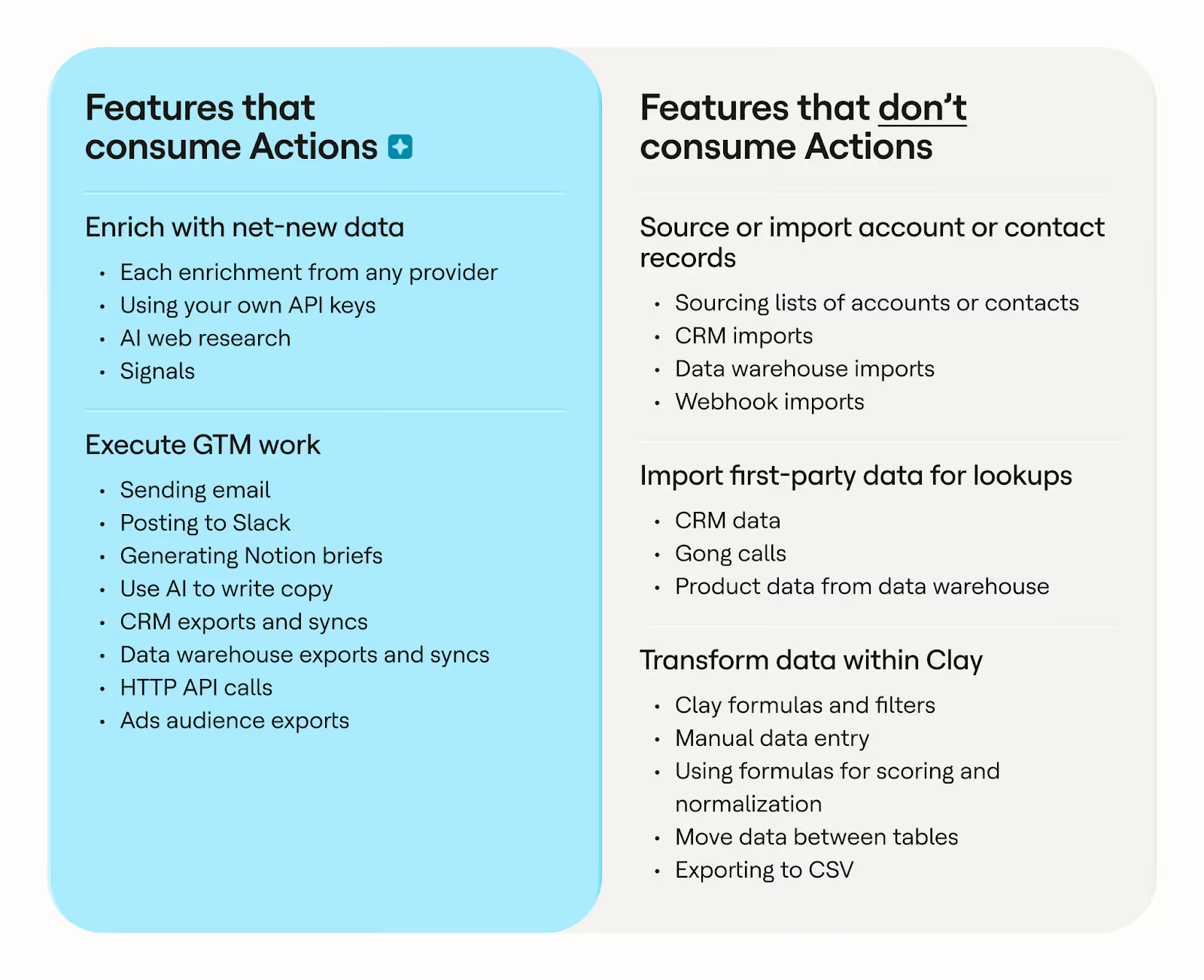
Actions measure the orchestration you do on Clay — enriching data, running a table, calling an AI model, sending data to a third-party system, or exporting data out of Clay. When you choose a plan, you're buying access to Clay's platform at a certain scale.
Plans are sized based on real usage data, so the vast majority (90%) of customers have more than enough capacity for how they work in Clay. If you do reach your Action limit, you can upgrade to the next Action tier without necessarily upgrading plans.
How will costs for my workflows change?
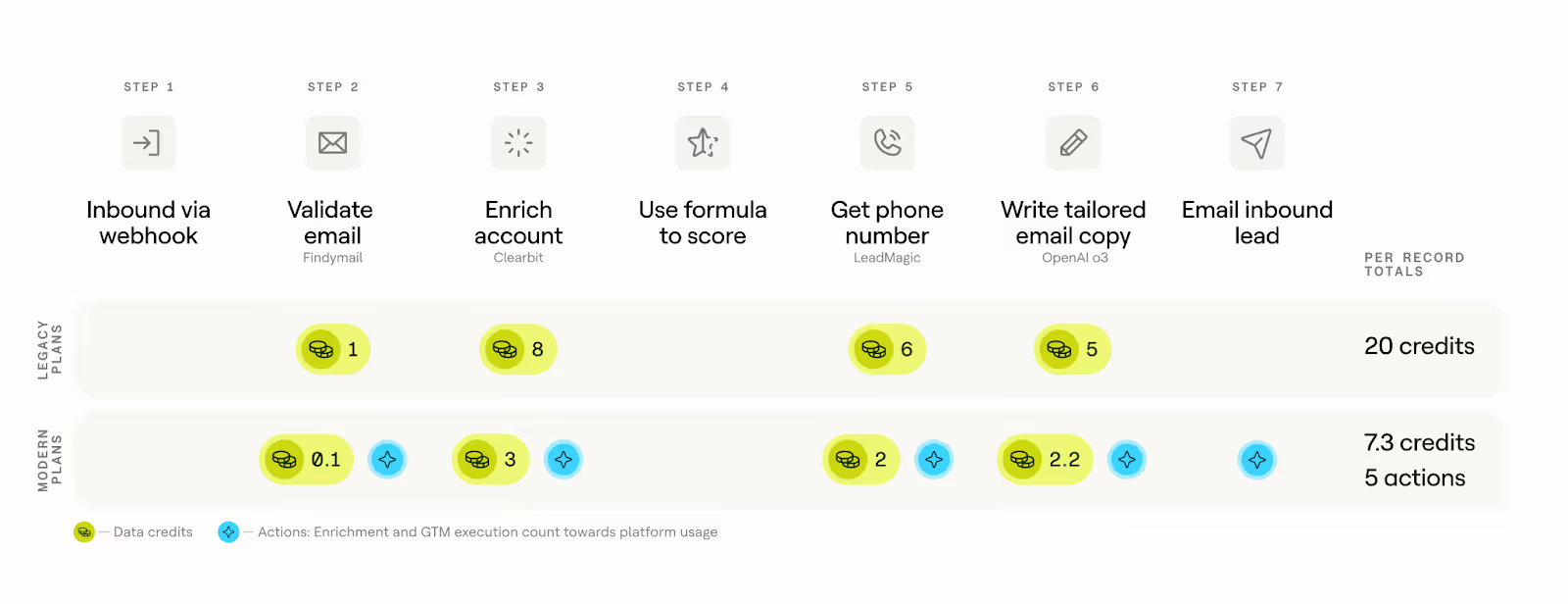
Most customers will get significantly more value from Clay under the new pricing model. To illustrate, we’re showing the same automated inbound workflow for two customers. In one example, the customer uses Clay’s data marketplace for enrichment & AI. In the other, the customer uses Clay for orchestration, but exclusively uses their own API keys.
Example 1: Customer exclusively uses data marketplace
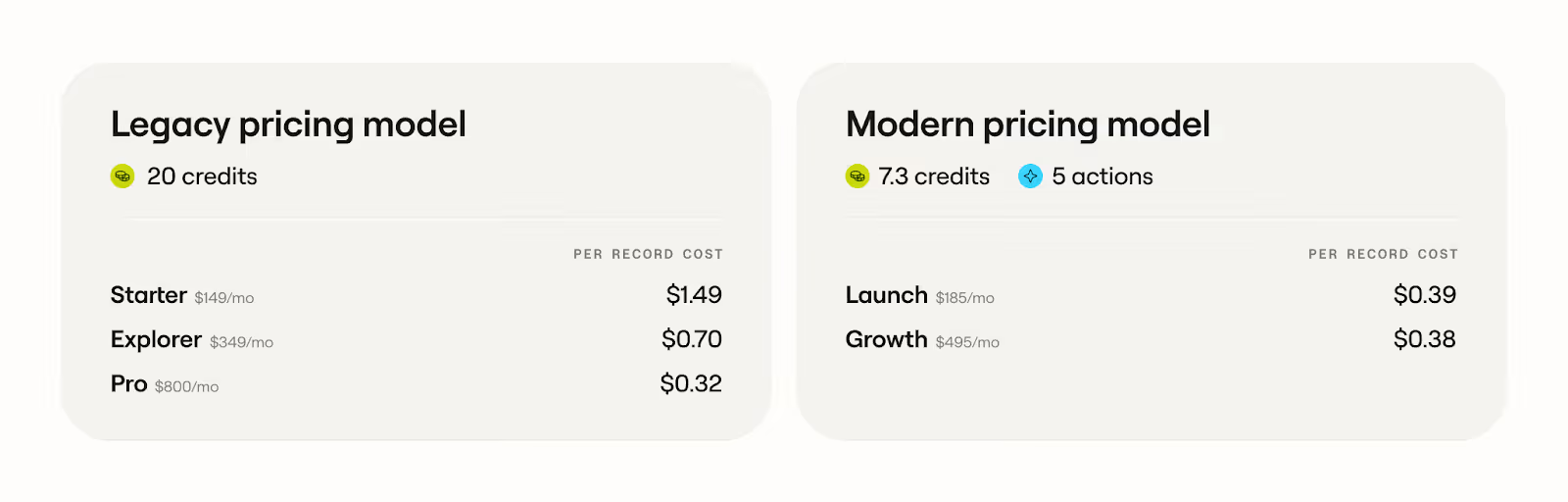
The example workflow below compares the legacy and modern pricing structures. Because data is cheaper under the new model, the same workflow costs 7.3 Data Credits on modern plans, compared to 20 Data Credits on legacy plans. On modern plans, enrichment and GTM execution steps each count as one Action toward the overall platform usage.
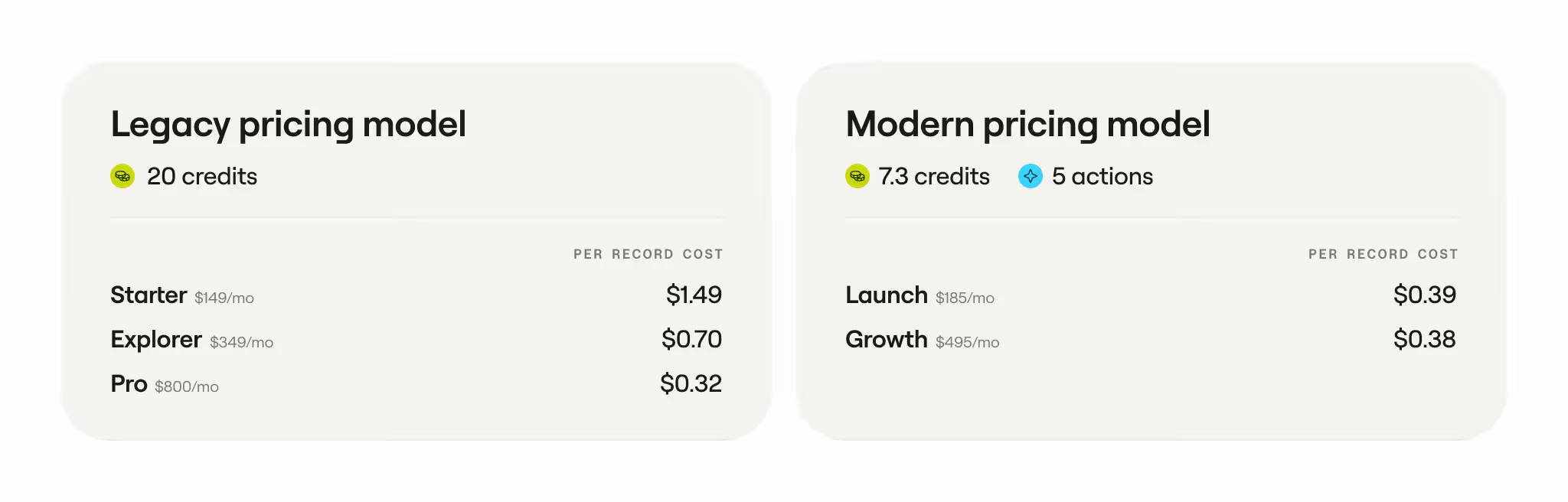
To illustrate the real-world impact, we can translate that data credit and action consumption into dollars. The table below shows how the same workflow compares on different plans. (These per-record costs are illustrative, because each Clay plan’s monthly cost includes a package of Data Credits and Actions.)
Example 2: Customer exclusively uses APIs
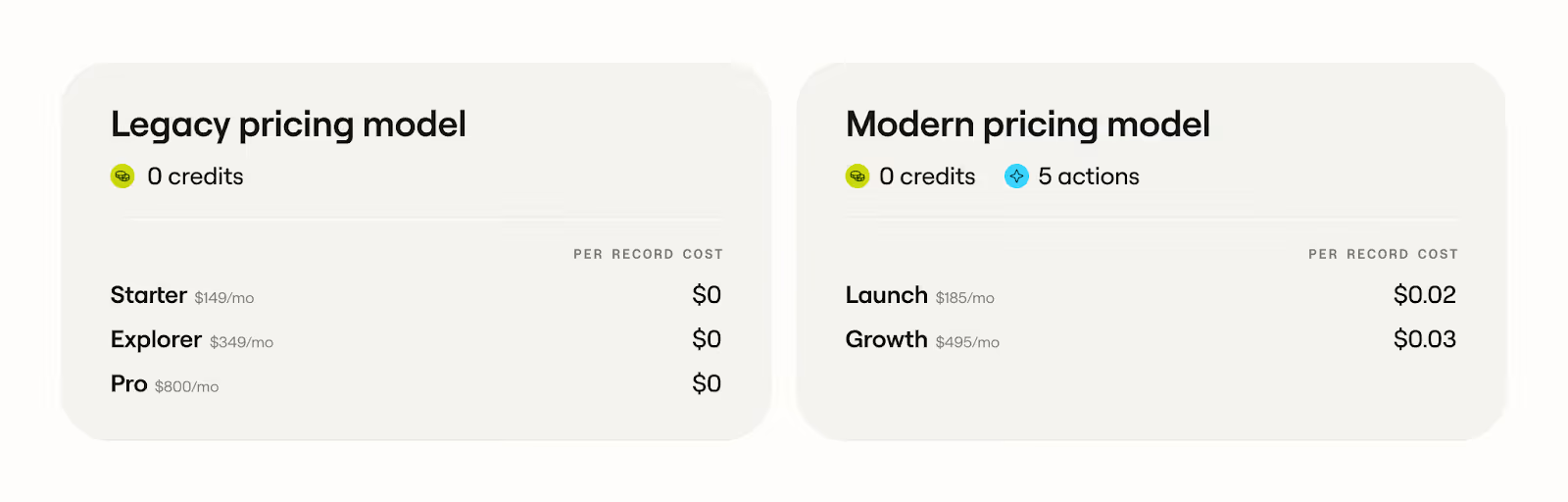
Unlike Example 1, this customer connects their own API keys rather than purchasing data or AI through Clay's marketplace. That means no Data Credits are consumed at all. Clay is still doing the heavy lifting — running enrichments, executing workflow steps, and syncing results — which consumes one Action per step indicated below under the new pricing model.
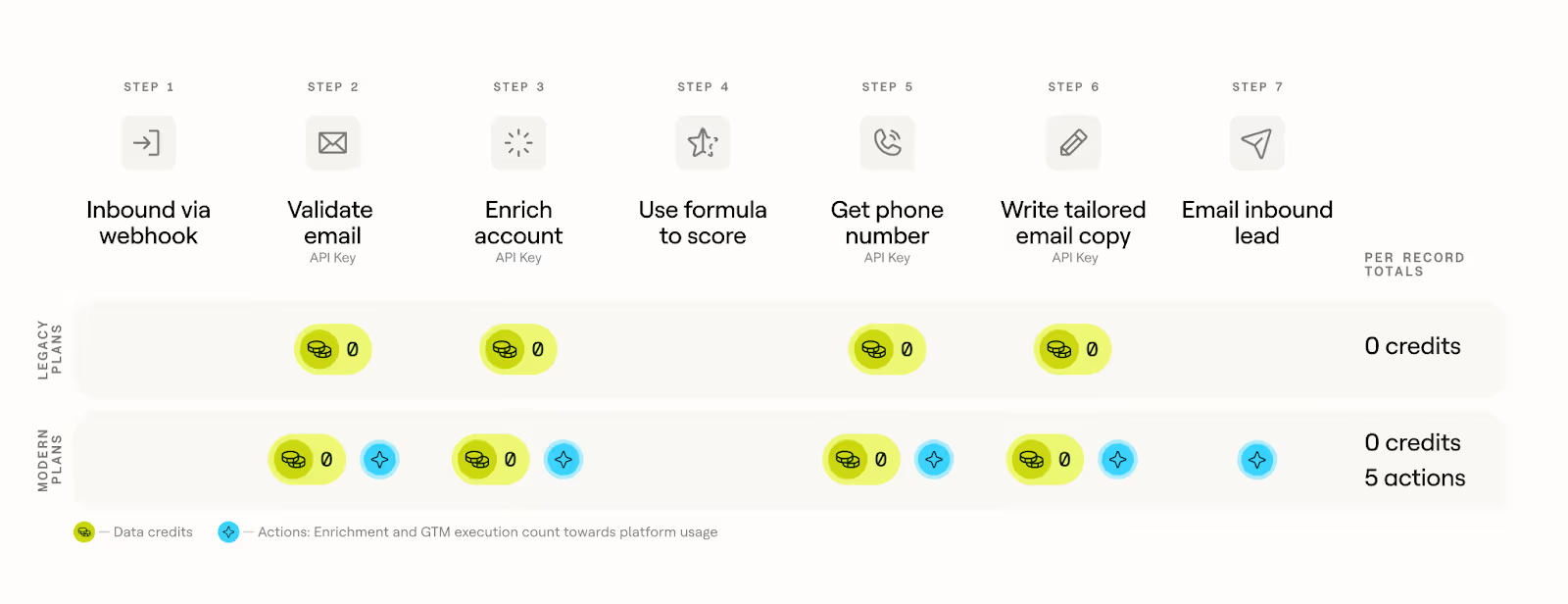
Previously, even though Clay was orchestrating the end-to-end automation of the inbound flow, the workflow was effectively free to the customer. On modern pricing plans, there’s now effectively a very small per-record cost, because Actions now directly tie Clay’s platform value to the customer’s platform cost.
For more details, read the Action and Data Credits help doc.
Why are Actions and Data Credits separate?
Think of it as two separate things happening at once: Clay is doing work, and Clay is buying data on your behalf.
Data Credits cover the cost of the data itself — the email address, phone number, or company detail sourced from one of Clay's 150+ data partners. Because we've negotiated volume discounts directly with our partners, we're able to pass those savings on to you, meaning you're getting comparable data prices through Clay to what you'd find going to most providers directly.
Actions cover the orchestration work Clay does — routing your request, calling the provider, running your workflow, and returning the result to your table. Actions cost less than a cent each and get cheaper with scale.
If an enrichment returns no result, you're not charged Data Credits or Actions. If you bring your own API keys for a data provider, you skip Data Credits entirely and only use Actions for the platform work Clay handles behind the scenes.
For more details, read the Action and Data Credits help doc.
Will I have enough Actions and Data Credits on my plan?
We have scoped out Launch and Growth plans so that 90% of our customers will never hit a usage limit. Users can always buy more if they need to top up without being pushed up to a higher plan tier. Enterprise customers will build custom plans with their GTMEs.
We chose the thresholds for each plan carefully to give our customers enough room to experiment while reducing anxiety about how usage impacts spend.
How much do Data Credits cost?
Data Credits start at $0.05 each and become cheaper as you grow. Data is priced as competitively as possible. We’ve negotiated volume discounts directly with our 150+ partners and passed those savings on to you. In the new model, we’ve reduced the cost of data by 50–90%.
How much do Actions cost?
Actions start at less than $0.01 each and get cheaper with scale within each plan.
Do unsuccessful searches consume Data Credits? What about Actions?
No. You'll only be charged Data Credits when Clay successfully returns data. The same is true of Actions – an enrichment only counts toward your overall platform usage when the platform actually delivers new information.
Enrichment scenarios that consume both Data Credits and an Action
- Clay returns data in an enrichment via Clay's marketplace
- Validation check returns either a valid or invalid result via Clay's marketplace
Enrichment scenarios that consume an Action, but not Data Credits
- Clay returns data in an enrichment via customer's own API key
- Validation check returns either a valid or invalid result via customer's own API key
Enrichment scenarios that consume neither Data Credits nor Actions
- Clay returns no data in an enrichment
- API call results in an error
How does this work in the context of waterfall enrichment?
Waterfall enrichments allow users to easily sequence multiple enrichment and validation steps to maximize data quality and completeness across multiple providers.
Users can flexibly configure the rules of each waterfall, but the typical waterfall enrichment requires a validation after each result is returned, and if the data is found to be invalid, continues with subsequent providers until results are returned that are validated.
Each step of the waterfall that returns data will consume Data Credits (unless using API keys) and an Action. Each validation step of the waterfall will consume Data Credits (unless using API keys) and an Action. Once validated data has been returned, no additional Data Credits or Actions will be consumed. If the entire waterfall returns no results, no Data Credits or Actions will be consumed.
Do unused Data Credits or Actions roll over?
Actions reset each billing cycle and don’t roll over, since they reflect the platform capacity your plan includes. Each plan includes enough Actions to cover 90% of customer usage, and if you need more, you can increase your Action tier.
Data Credits work more like a currency and do roll over. On Launch and Growth plans, unused credits can accumulate up to 2x your monthly credit amount (e.g., a 10,000 credit plan can bank up to 20,000 total). Enterprise customers can roll over up to 15% of their prior year's purchased credits, provided they renew at an equal or higher commitment.
How do I monitor my usage of Data Credits and Actions?
You can track your Clay data credit usage by going to Settings → Usage in your workspace. This dashboard shows you how credits are being consumed across your workspace, with filters by date, owner, or integration. You'll also see cost estimates before running Actions to help you manage your budget.
However, if you're using your own third-party API keys, Clay tracks that activity as Actions but does not break down spend by individual API key. To see detailed usage and cost for a specific key, you'll need to check directly in that provider's console or dashboard to understand your spend.
How has AI pricing changed?
Customers now have a choice between two pricing options for AI on Clay:
Fixed-price: 80% of models in Clay continue to cost a flat number of Data Credits per task, including all of Clay’s native models. These are ideal for common tasks like classification, short summaries, templated content generation, and simple lookups.
Variable: Token-intensive models (e.g., GPT-5.1 and Claude 4.6 Sonnet) now have variable pricing based on actual token consumption. These models are best suited for multi-step research, complex Claygent prompts that synthesize across multiple sources, and detailed account-level analysis. Clay charges customers exactly for the tokens consumed with no markup. This means you’re getting access to frontier models at true cost.
AI runs are 2x faster using Clay’s API keys compared to customers using their own because of the higher rate limits that Clay has negotiated with AI vendors.
Under the new model, 85% of customers using AI in Clay will spend less.
How can I tell if an AI model is fixed or variable?
To see whether a model is fixed or variable, go to Actions > Use AI > Configure > Compare Models while in-app. Variable models will show an estimated number of Data Credits per row, indicated by a tilde symbol (~). Final cost will be determined after the run completes, and usage data shows that 75% of runs cost less than the estimate.
"Create or modify content" AI features (as opposed to Claygent) remain at fixed pricing.
Can I use my own API keys for running AI in Clay?
Customers are still welcome to use their own API keys to use AI in Clay. Regardless of whether you’re using your own keys or Clay’s, each AI run will count as one action.
AI runs are 2x faster using Clay’s API keys compared to customers using their own because of the higher rate limits that Clay has negotiated with AI vendors.
For more details, read the AI pricing help doc.
I'm currently a Trial customer. What happens with this change?
Trial users who began their trial before March 11 and are still within their 14-day window can choose between legacy and modern plans through the duration of their trial. Those who start a trial after the new pricing will be selecting from modern plans.
Will new features be available on legacy plans?
We're constantly investing to improve all plans. Major new releases will only be available on modern plans, but baseline and quality of life features will be available to all customers.
Where can I learn more?
Where can I learn more?
We've put together detailed resources covering every part of the new pricing. Here's where to go depending on what you need:
- Full feature comparison
- Pricing calculator
- Actions and Data Credits
- How AI is priced
- Understanding your usage
- Legacy pricing plans
- How to switch plans
- Plan and billing
Still have questions? Contact support by email or click the ? in the top right of Clay.





.png)





.avif)













.avif)












.avif)