
We run a lot of ads at Clay. Our performance marketing program includes webinar campaigns on Meta and ABM on our top target accounts. Running all these ads came with an annoying routine: we’d export a CSV from the CRM, upload it to the ad platform, then set a calendar reminder to do it all over again. The issue is that a CSV is just a snapshot. The moment you export it, the data starts falling behind immediately.
Your leads book demos with reps, deals close, and people switch jobs. But the list sitting in your ad platform, from that stale CSV, doesn’t know any of that. The end result is inefficiency. You keep paying to show prospecting ads to people who already bought. Meanwhile, your best new leads wait until the next upload to see any ads. It wastes money and time, and it keeps marketers on the treadmill of maintaining lists instead of building better creative and testing new audiences.
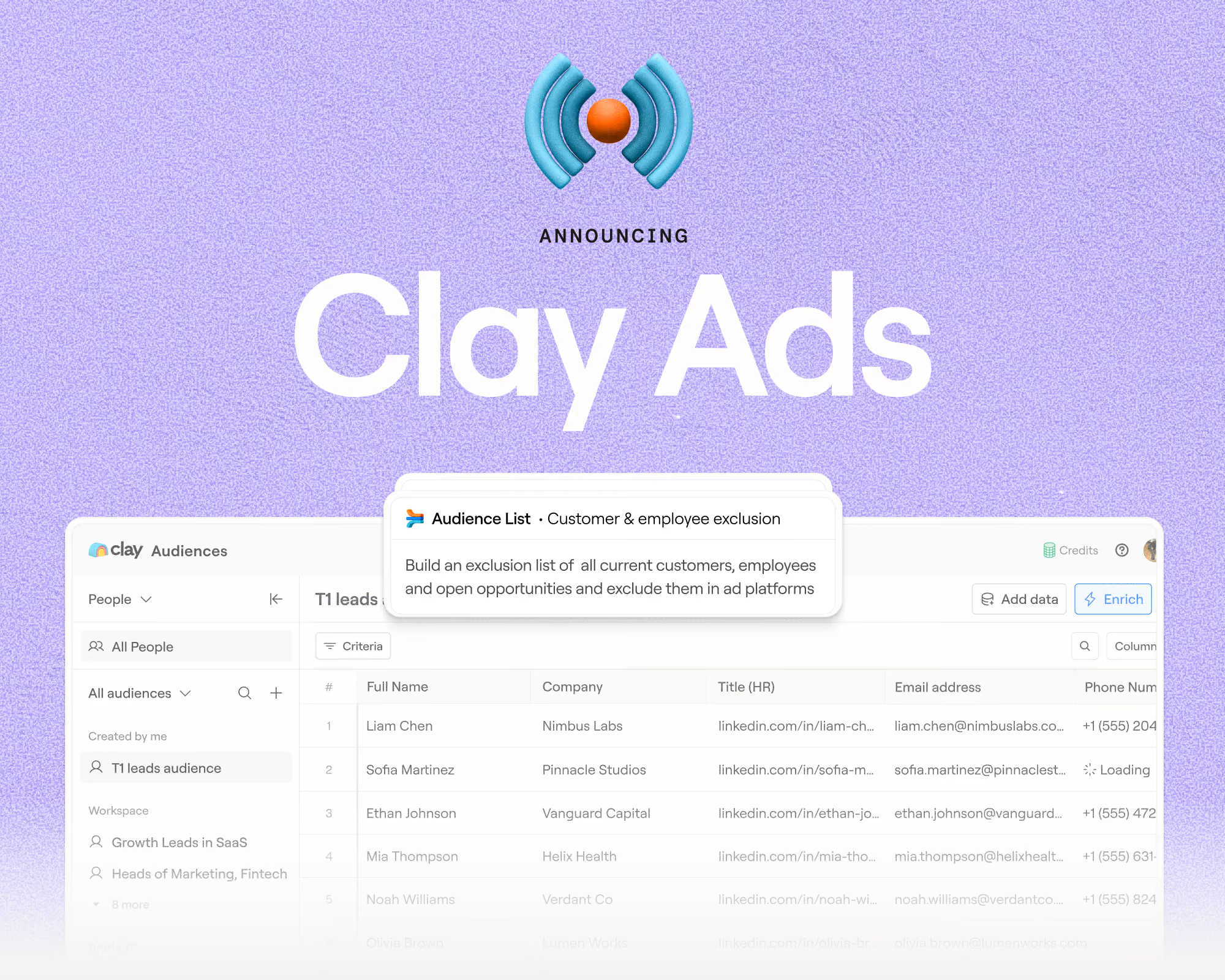
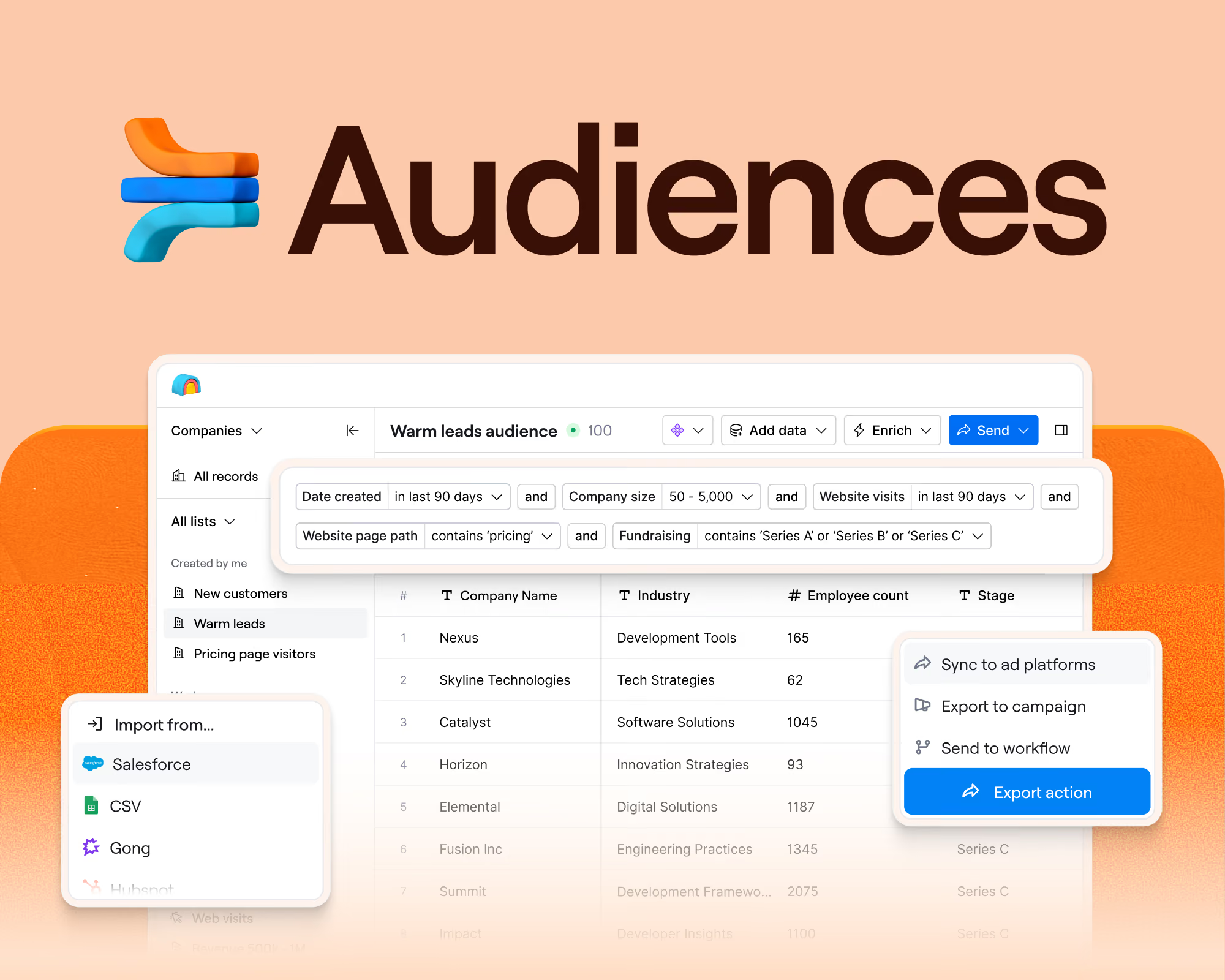
Clay Ads ends this annoying routine. It turns Clay Audiences, the layer that unifies your CRM and data warehouse with 200+ data providers, into ad audiences that sync continuously to LinkedIn, Meta, Google, Bing, Reddit, and Vibe. Enhanced Matching enriches each contact with up to three hashed personal emails, lifting match rates to as high as 95% on LinkedIn and 70% on Meta. And when your data changes, whether that’s a closed deal, a new hire, or a fresh signal, the audience updates itself on every platform.
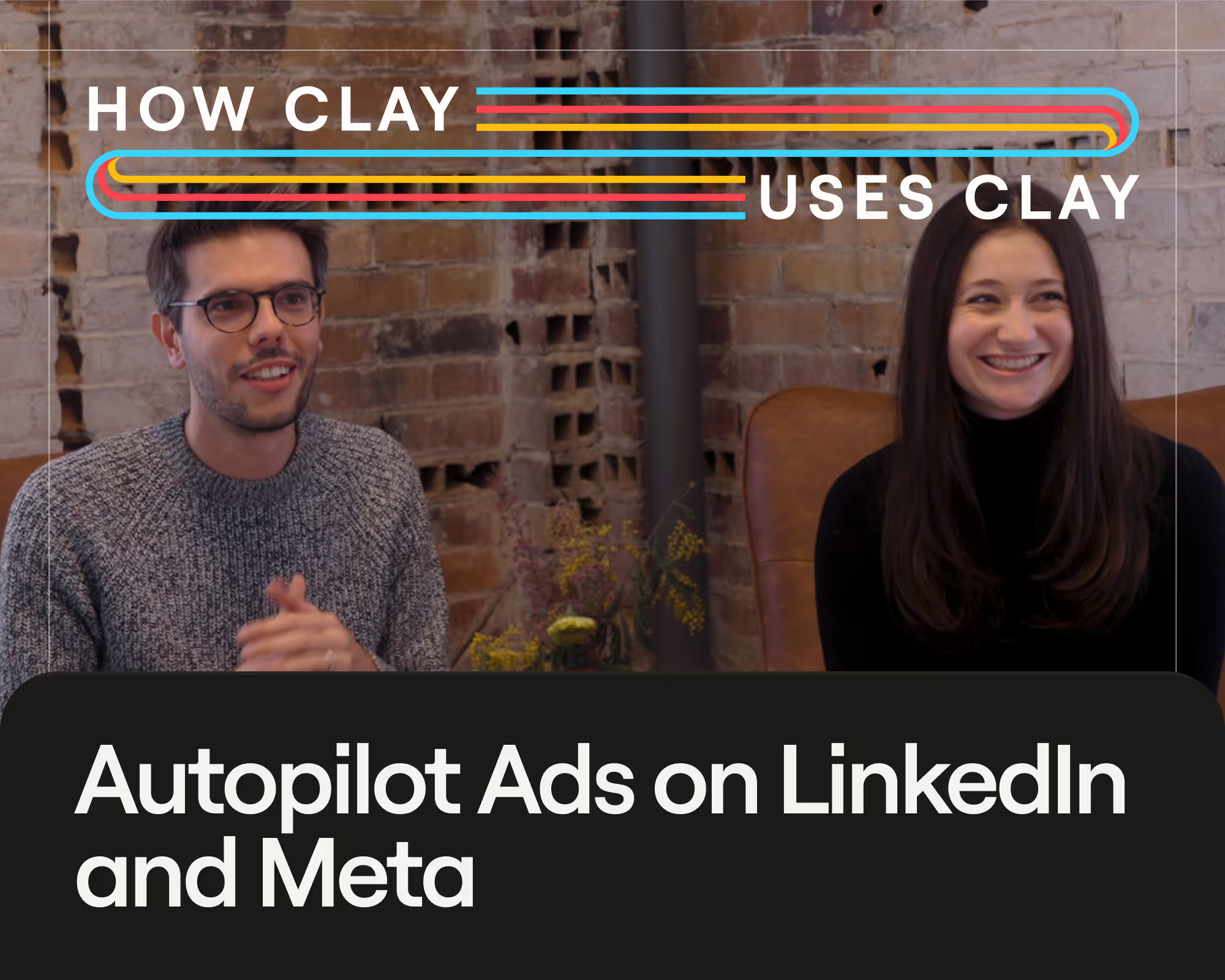
Our own experiences running ads shaped the product. Davide Grieco, who runs growth at Clay, and Talia Schleifer, who ran our paid campaigns on his team, worked closely with our engineering team to build the ads features they had always wanted as marketers. Much of what’s in the product today came from iterating on what we needed for our own paid campaigns. The results have been promising: This past quarter, we put a few thousand dollars into Meta ads and generated $1.3 million in pipeline, about 23x what we spent. Across campaigns, our returns have landed anywhere from 30x to 90x.
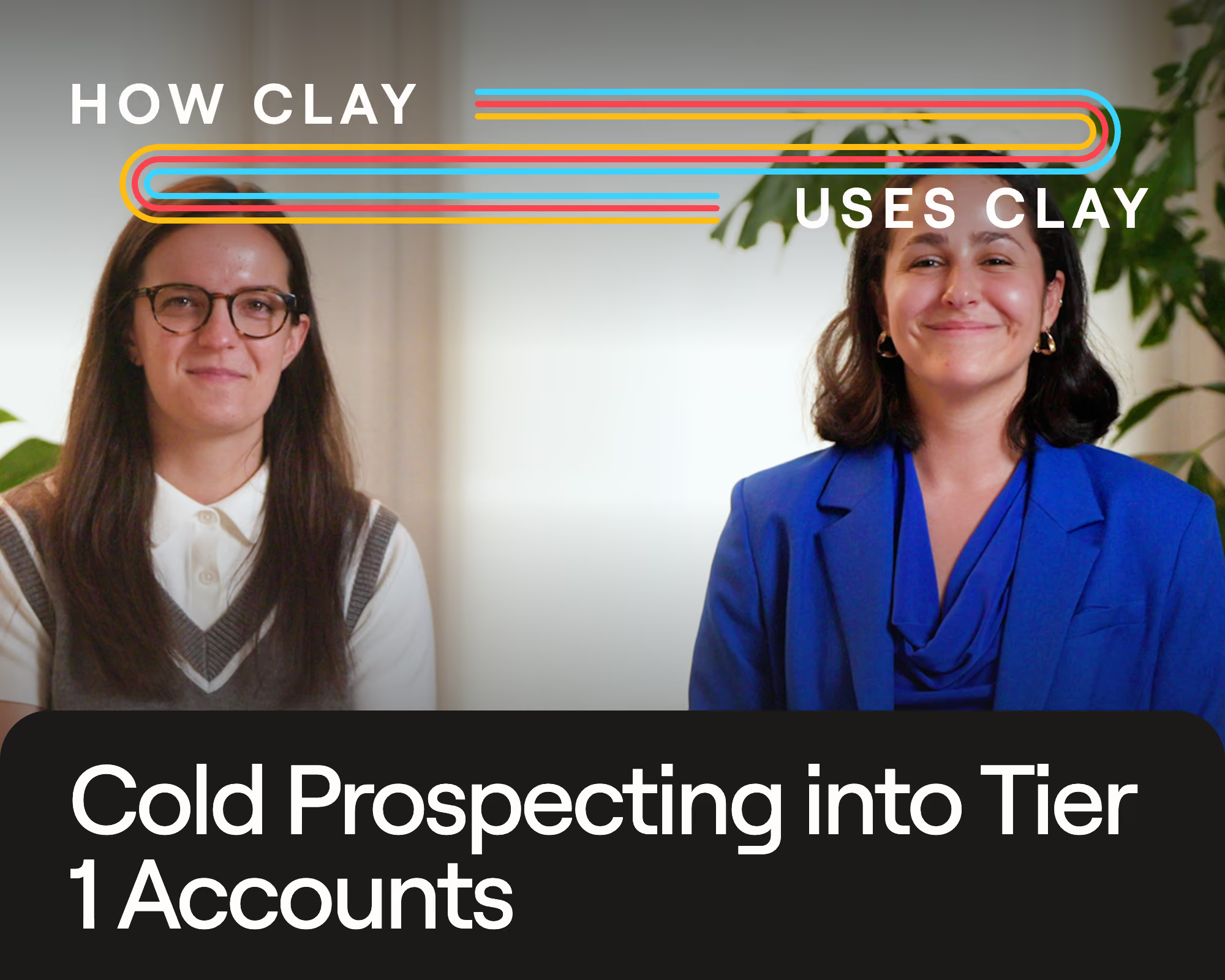
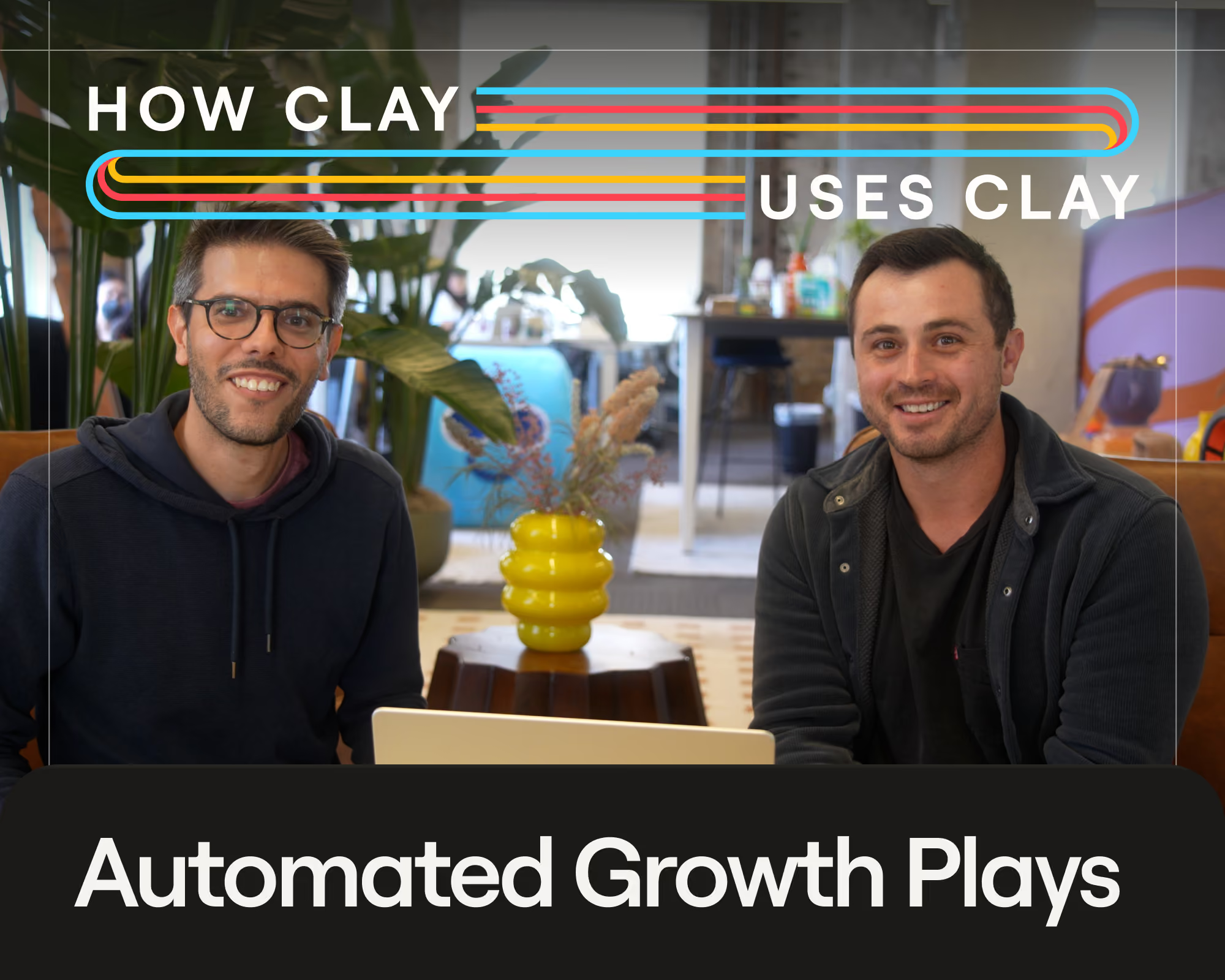
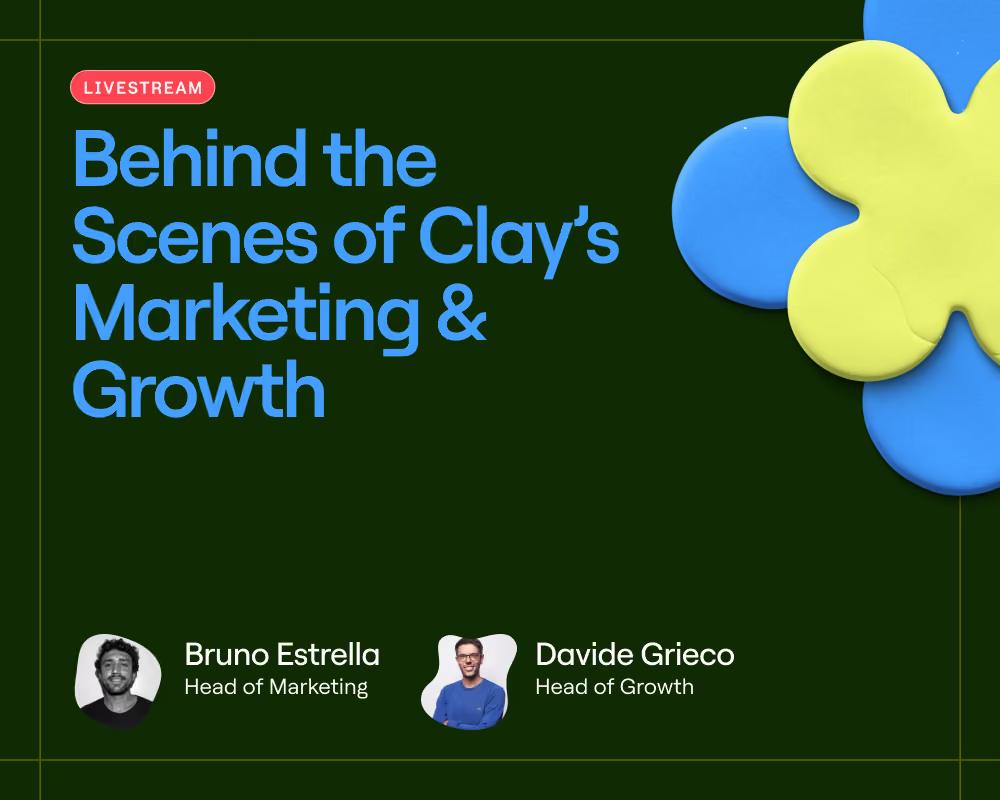
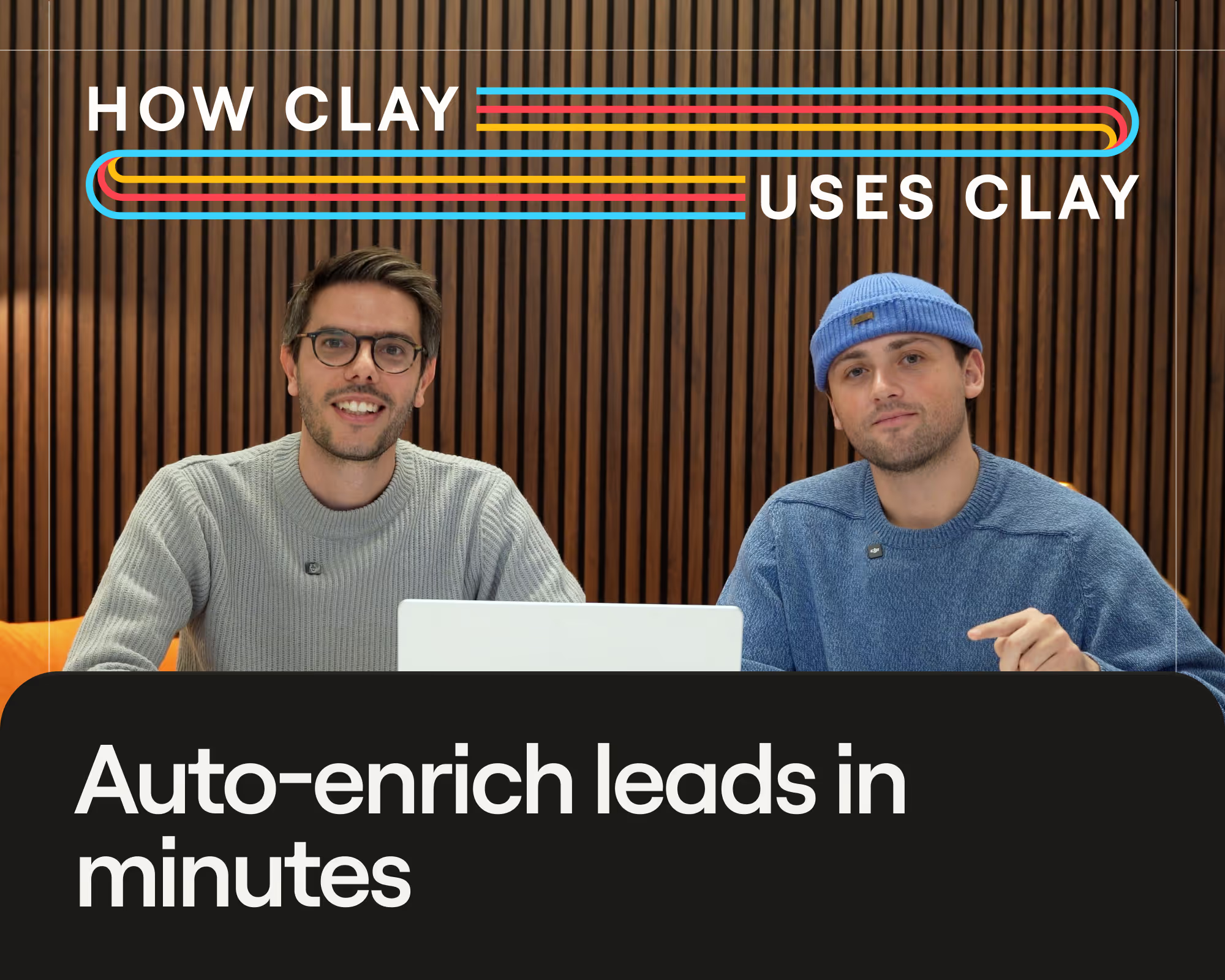
Watch the full episode of How Clay Uses Clay or read on for more on Clay Ads, what’s changed since our original launch, and three tactical plays to help you see the same numbers we have.
What’s changed since our first launch
We first shipped ads back in February 2026, to enterprise customers only, when Clay still ran on tables. Early users gave us plenty of love, but also plenty of feedback. Since then, we’ve removed many of the limitations people ran into:
- No more 50,000-row cap. With Audiences as the foundation, you can pull your whole CRM into Clay and sync lists far beyond the old limit.
- No upfront payment. The add-on fee is gone; you just pay for enrichment. Clay also remembers who you’ve already enriched, so you never pay twice for the same contact across overlapping lists.
- Available on Growth plans with unlimited syncs. Ads started as an Enterprise-only beta. Now Growth customers can use it too, and Audiences can refresh as often as your data changes.
- More destinations. We launched with LinkedIn, Meta, and an alpha of Google. We’ve since added Google Ads, Bing, Reddit, and connected TV through Vibe.
- Better compliance logic for GDPR. Build EU audiences from first-party data, with opt-outs that update automatically across every ad platform you sync to.
- A cleaner, more reliable UX. Building an audience and syncing it now takes a few clicks, and syncs run dependably in the background.
What Clay Ads changes about running paid ads
Our growth team has used Clay Ads for every paid campaign for two quarters. When a sync needed to run more often or a platform was missing, we felt it first (and then shipped the fix).
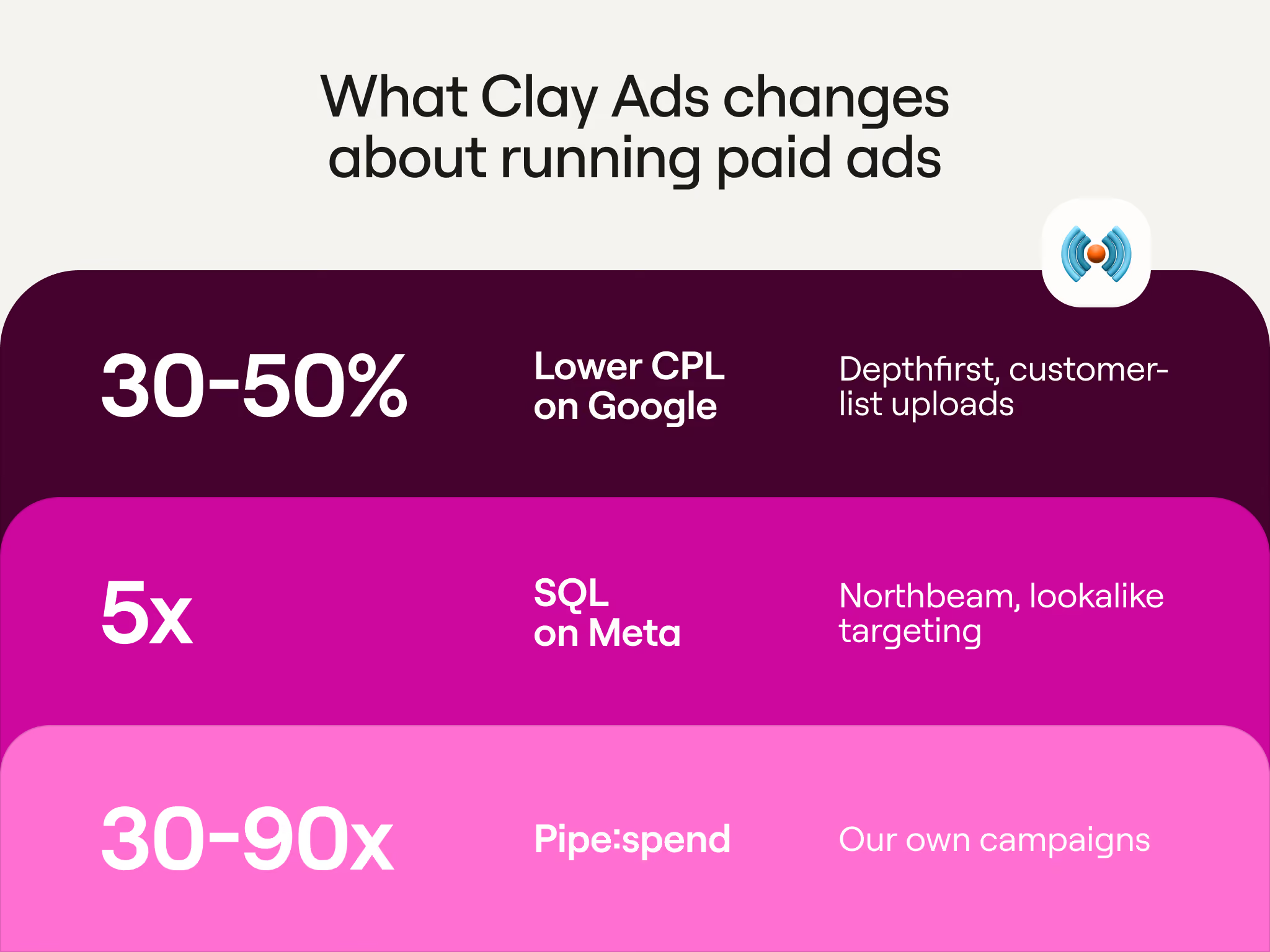
On our own campaigns, we’ve seen between 30x and 90x pipe to spend on Meta. Northbeam is getting 5x the sales-qualified leads on Meta with the same spend using lookalike targeting, and Depthfirst lowered their cost per lead on Google by 30 to 50 percent with customer-list uploads.
Here’s what it’s made possible for us, and what it can do for your campaigns:
- One audience system for every play. Nurture campaigns, ABM aircover, suppression, and net-new TAM sourcing all run off the same data layer. There’s no separate export per campaign. Your ads stay aligned with what sales already knows about each account.
- Tiered ABM on consumer platforms. Build dynamic Tier 1, 2, and 3 account audiences and run different creative per tier on Meta, Google, and LinkedIn, with customers (and competitors) suppressed automatically.
- TAM expansion beyond your CRM. Pull in-market accounts you’ve never talked to from Clay’s data marketplace, enrich the full buying committee, and sync them with compliance logic like GDPR handling built in.
- Signal-based retargeting. When someone attends a webinar, books a sales call, or changes jobs, they slide into an always-current warm audience that follows them across platforms.
- Contact-level campaigns. Retarget the specific people who attended your webinar 90+ days ago, not everyone at their company. Meta and Google match individuals, and Clay gets you the personal identifiers to reach them.
- Room to scale. Ad syncs support up to 1 million entities per audience, and on Enterprise you’re capped only by your ad platform’s max audience size.
Three plays for pipeline-efficient paid ads
These plays come from our own campaigns at Clay, and our Growth team still runs them. They all run on Audiences built from live CRM and signal data, so they update on their own.
Play 1: Seed audiences and lookalike expansion on Meta
Meta’s targeting was largely built for consumer advertising. There’s no reliable “marketers in tech” filter, and people log in with personal emails rather than work ones, so even the cleanest B2B list matches poorly out of the box. The workaround is to stop describing your buyer to Meta and show it instead.
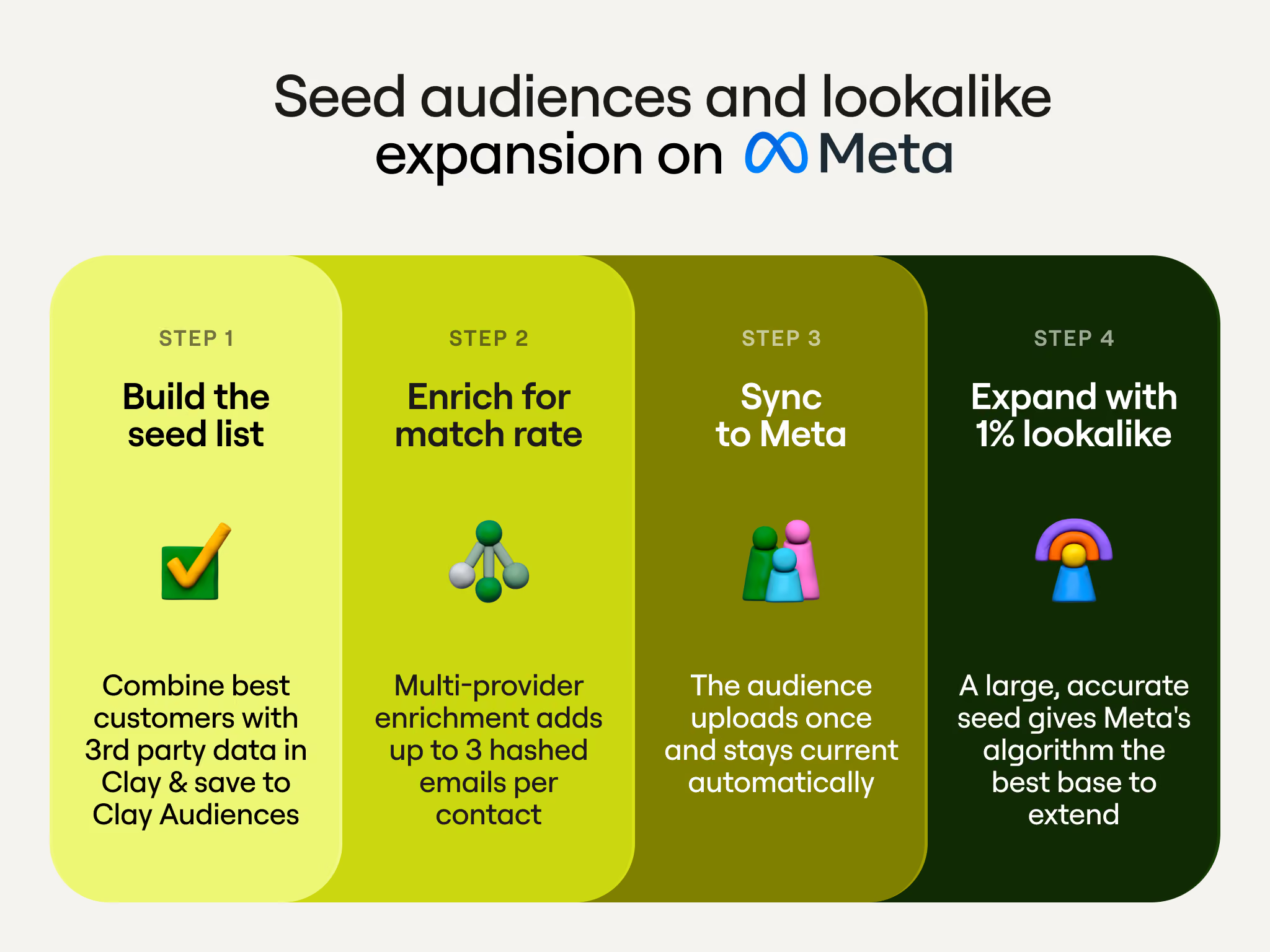
First, you build a seed list of your actual best-fit customers in Clay, combining first-party data like PLG signups with third-party data on the titles you care about. That might mean your highest-value accounts, the users actively converting in your product, or the titles and regions you win most, like marketers in the US and Canada. Then you enrich each contact with up to three hashed personal emails so the platform can recognize them, sync them to Meta, and create a 1% lookalike. Meta’s algorithm finds more people who resemble that seed and learns to target your ICP without you ever naming it. The results depend on how large and accurate your seed is, which is why match rates matter so much.
When we ran this play for our own launch campaign, we tested three audiences in the same ad group:
- The matched seed list alone brought in exactly the right people at $6.49 per qualified lead, but only 13 leads. Precise, with no scale.
- The 1 percent lookalike delivered 486 leads at $15.93 each, and enough were a fit that a qualified lead still cost under $50.
- The lookalike layered with Meta’s native demographic filters returned 93 leads at around $16, a similar cost with less reach.
The lookalike leads mirrored the titles in our seed and scored well on ICP fit, and these Meta webinar campaigns have generated thousands of leads and millions in pipeline. Northbeam ran the same play on a Clay-built seed and went from 2 or 3 qualified leads a week on Meta to about 15, on the same budget.
Play 2: Exclusion lists that keep themselves current
A non-trivial chunk of most paid budgets goes to people who should never actually see the ads. That includes current customers, open opportunities, partners, and your own employees. They stay in your targeting because removing them is a manual chore, and it rarely gets done on time. If you convert 20 customers, they should stop seeing your ads within days, not at the next calendar reminder.
We’re grateful for the champagne problem, but being a well-liked brand made this expensive for us. When we started running LinkedIn ads, customers and partners kept clicking through to comment things like “we love Clay.” Since LinkedIn charges per click, every nice note cost us $8 to $15. Our head of marketing, Bruno, also loves clicking on Clay ads, which is exactly why employees make up one of our exclusion lists.
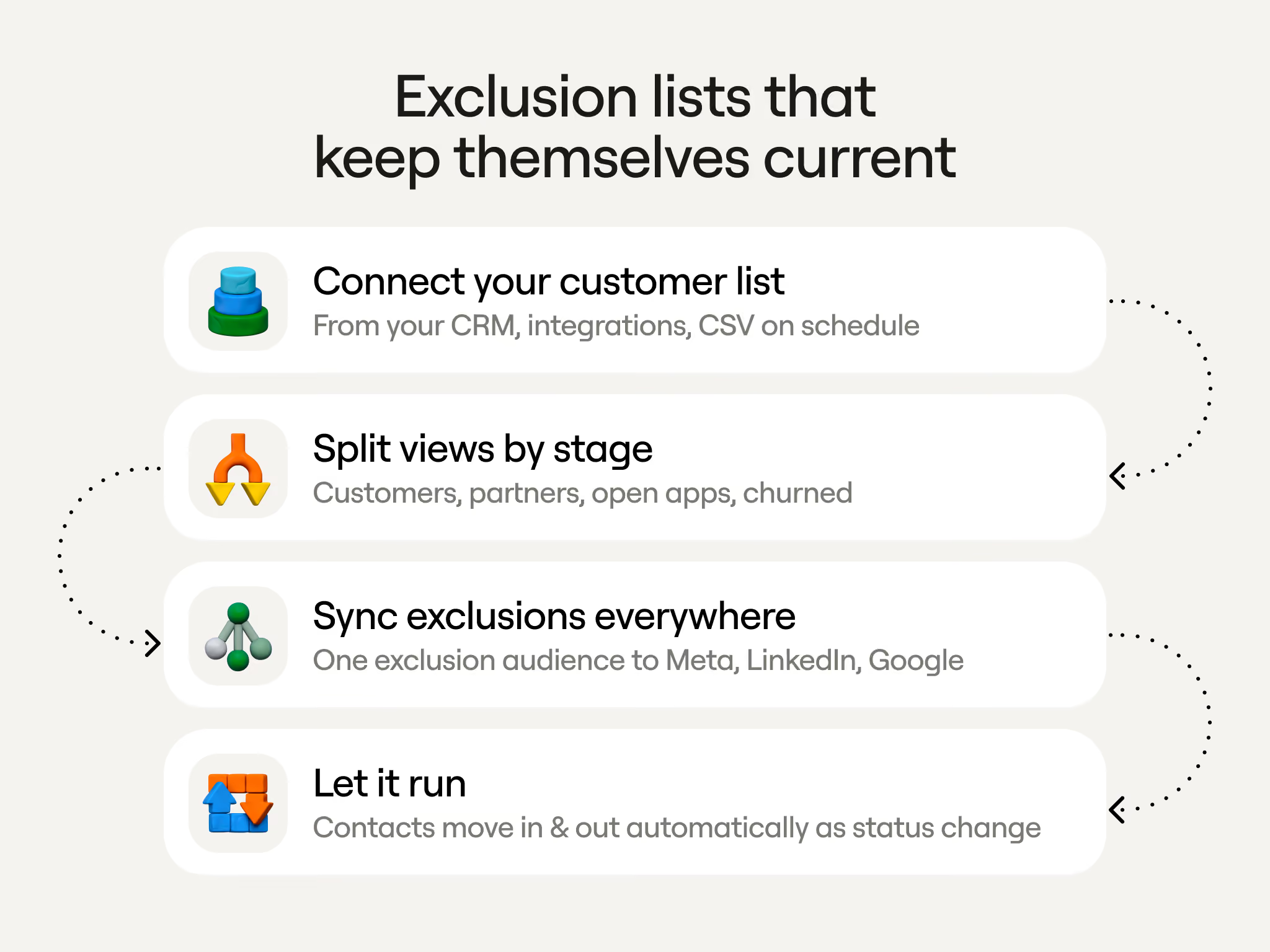
In Clay, you set the criteria once. Tag “current customer” or even “had a sales meeting in the last 10 days,” and anyone who matches drops out of your prospecting audiences everywhere, at the company level on LinkedIn or the person level on Meta and Google with hashed emails. Full replacement syncs run as often as every two days, so a closed-won account stops seeing acquisition ads within about two days of signing.
Play 3: Dynamic full-funnel ads
Most B2B campaigns show the same ad to a total stranger and to someone actively evaluating a purchase. With this play, you use your CRM and signal data to sort contacts by buying stage, then show each group something different. As each lead’s data changes, they move between Audiences automatically, and the message follows them down the funnel.
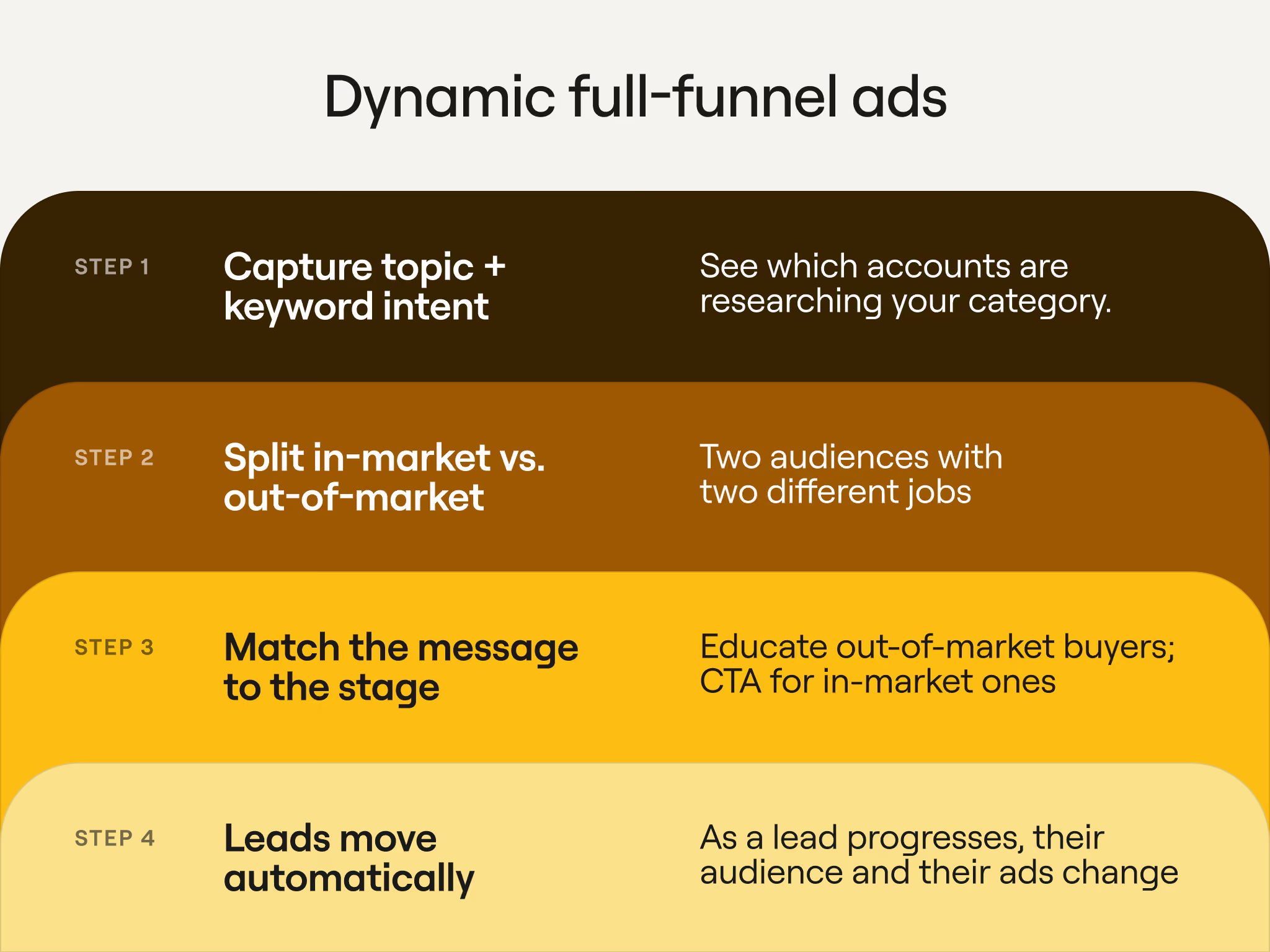
Here’s how the stages work in our own campaigns:
- Top of funnel: unaware and aware. Aware is a low bar for us, maybe a single de-anonymized website visit or a webinar attendance from way back. These audiences get boosted thought leadership posts on LinkedIn with no ask attached.
- Middle of funnel: warming up. Contacts with some engagement get webinar invites and white papers, content with substance that builds familiarity without pushing for a meeting.
- Bottom of funnel: consideration. Once someone’s engagement score (built from signals like form fills, web visits, and event attendance) crosses a threshold, they start seeing demo request ads. A demo ad shown to someone who has never heard of you is a wasted impression, so we save it for people who are ready.
Our new topic intent functionality adds another input, surfacing companies actively researching topics like CRMs or ABM tooling so you can feed that into your engagement score or split in-market accounts into their own campaigns.
Clay is for marketers, not just sales teams
Ads are part of a bigger shift. Clay started as a tool for sales and GTM ops, but marketing teams now use it to personalize email, ads, direct mail, and landing pages at scale, reply to qualified inbound leads within minutes, and turn PLG signups into enterprise prospects. The same audience data that powers your outbound can now power every campaign you run.
With ads and topic intent, demand gen and growth marketers can now run campaigns end-to-end in Clay. That means finding the in-market accounts, building the audience, and reaching them across channels without leaving the tool.
To catch more plays like these live, subscribe to our upcoming sessions.
.avif)

.avif)
.avif)




.avif)


.avif)












.avif)












.avif)